

1 Ducat – Sweden
Sweden
Context
Years: 1751–1754
Issuer: Sweden 
Ruler: Adolphus Frederick
Currency:
(1719—1798)
Demonetized: Yes
Total mintage: 200
Material
References
KM: #Click to copy to clipboard466
Numista: #102378
Value
Bullion value: $567.44
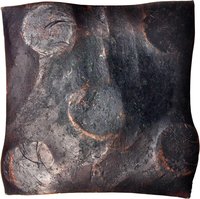
Obverse
Description:
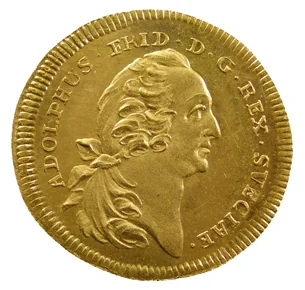
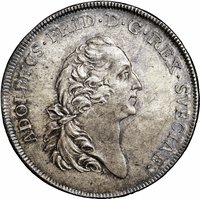
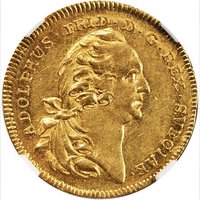
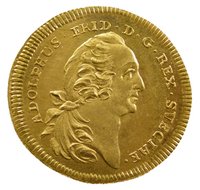
King Adolf Fredrick facing right, long hair, legend encircling.
Inscription:
ADOLPHUS • FRID • D • G • REX • SVECIAE •
Script: Latin
Reverse
Description:
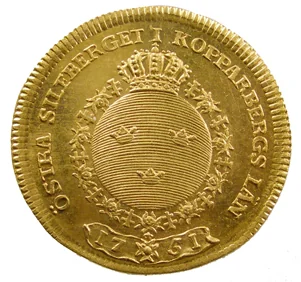
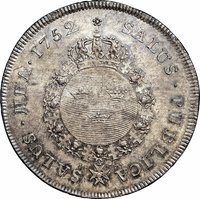
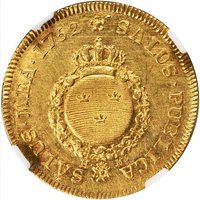
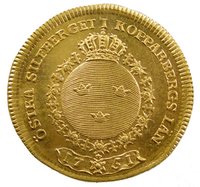
Sweden’s Three Crowns within the Seraphim Order Chain, on a lined orb. The chain’s pendant splits the date on a belt. Above the crown, an inscription notes the gold’s origin.
Inscription:
ÖSTRA SILFBERGET I KOPPARERGS LÄN
Script: Latin
Edge
Plain
Categories
| Symbols> Coat of Arms |
Mintings
| Year | Mint Mark | Mintage | Quality | Collection |
|---|---|---|---|---|
| 1751 | — | 50 | ||
| 1754 | — | 150 |
Historical background
In 1751, Sweden was in the midst of a significant monetary transition, moving away from a chaotic and debased currency system. For decades, the state had financed wars, particularly the Great Northern War, by drastically reducing the silver content in its coins, leading to severe inflation and a loss of public trust. The monetary landscape was a confusing mix of old, full-value riksdaler coins and vastly depreciated mynt notes, creating a dual system where the value of money depended heavily on its form and age, crippling both commerce and state finances.
Recognizing the crisis, the government undertook a sweeping reform. The pivotal event of 1751 was the introduction of the riksdaler specie, a new silver coin intended to restore stability. This coin was minted according to a strict silver standard, with its value pegged directly to the international riksdaler currency used in trade. The reform aimed to establish a reliable, fixed-value currency to replace the discredited paper notes and debased coins, signaling a return to sound money and fiscal responsibility.
The immediate impact was a period of adjustment and deflation, as the new, harder currency contracted the money supply. While the 1751 reform laid the essential foundation for future stability, full public confidence and a unified monetary system would take more time to achieve. The era marked the beginning of the end for Sweden's "Age of Liberty" financial turmoil, setting the stage for the more robust monetary policies that would characterize the latter half of the 18th century.
Recognizing the crisis, the government undertook a sweeping reform. The pivotal event of 1751 was the introduction of the riksdaler specie, a new silver coin intended to restore stability. This coin was minted according to a strict silver standard, with its value pegged directly to the international riksdaler currency used in trade. The reform aimed to establish a reliable, fixed-value currency to replace the discredited paper notes and debased coins, signaling a return to sound money and fiscal responsibility.
The immediate impact was a period of adjustment and deflation, as the new, harder currency contracted the money supply. While the 1751 reform laid the essential foundation for future stability, full public confidence and a unified monetary system would take more time to achieve. The era marked the beginning of the end for Sweden's "Age of Liberty" financial turmoil, setting the stage for the more robust monetary policies that would characterize the latter half of the 18th century.
Series: 1751 Sweden circulation coins
✨ Legendary