

4 Mark – Norway
Norway
Context
Years: 1687–1688
Issuer: Norway 
Ruler: Christian V
Currency:
(1523—1746)
Subdivision: 4 Mark = 1 Krone
Demonetized: Yes
Material
References
KM: #Click to copy to clipboard168
Numista: #102275
Value
Bullion value: $42.83
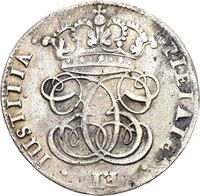
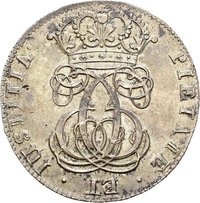
Obverse
Description:
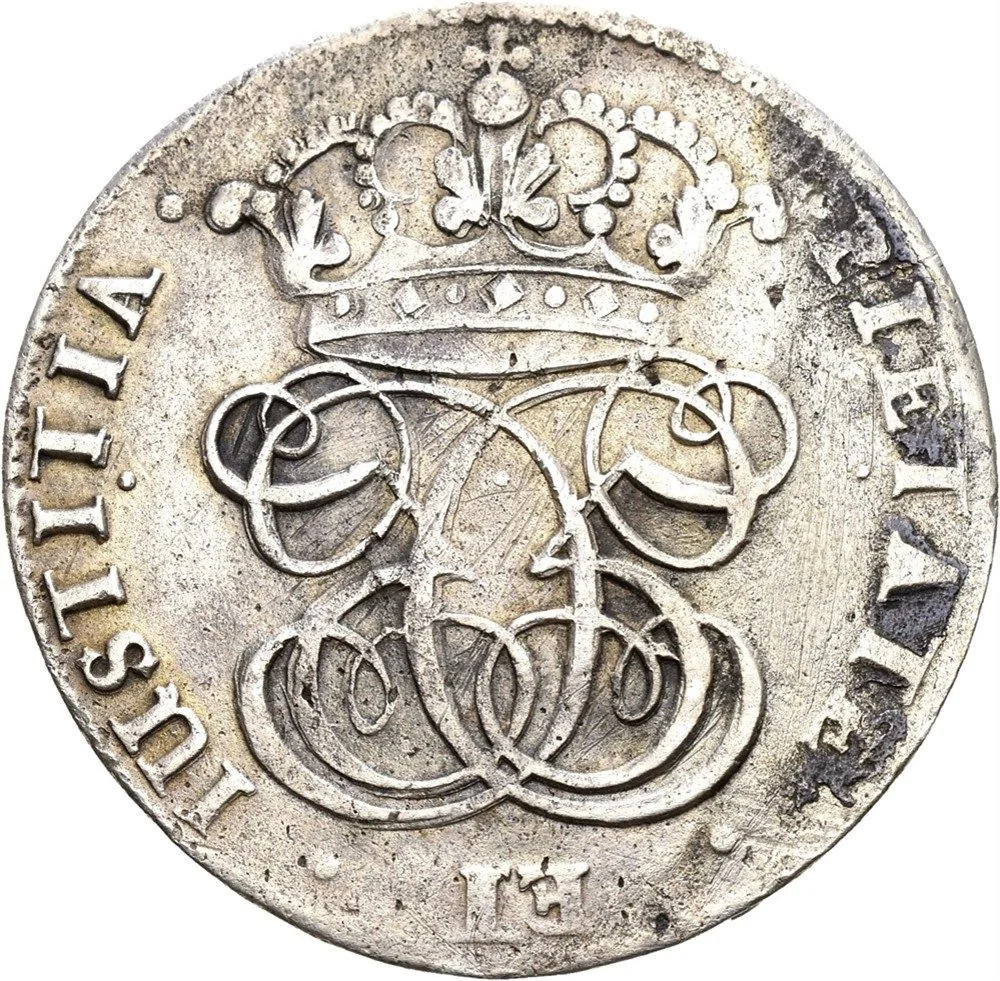
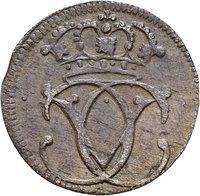
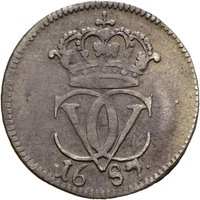
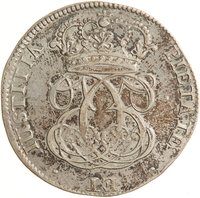
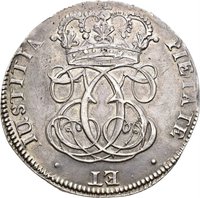
Crowned mirrored monogram of Christian V, encircled by inscription, with a beaded ring on the rim.
Inscription:
C 5
·PIETATE · ET · IUSTITIA·
·PIETATE · ET · IUSTITIA·
Script: Latin
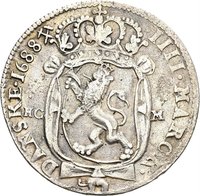
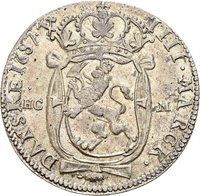
Reverse
Description:
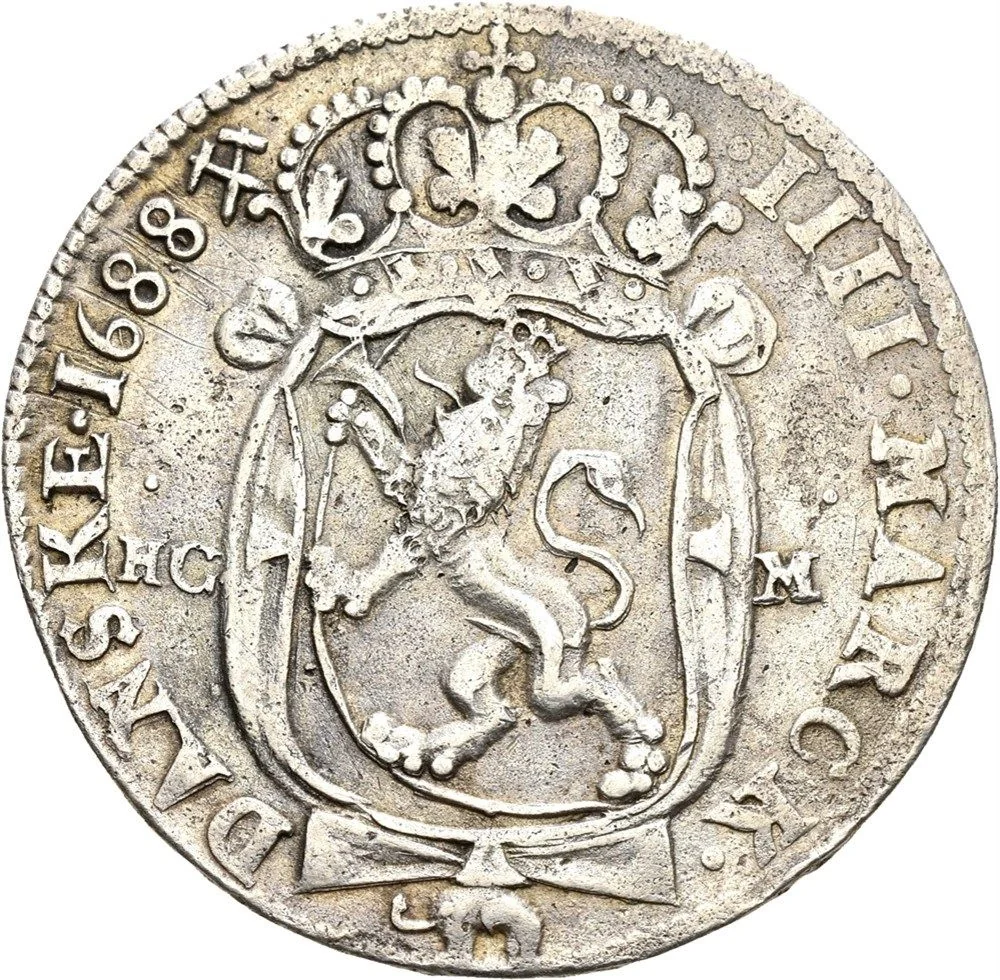
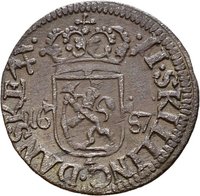
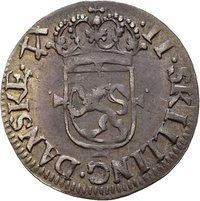
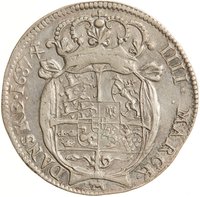
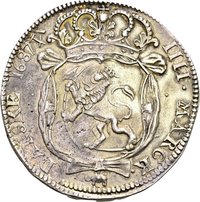
Crowned lion with axe facing left in a draped, crowned shield on a cross. Elephant sign below. Inscription surrounds. Mintmaster initials flank shield. Beaded rim.
Inscription:
·IIII·MARCK· DANSKE·1688 ⚒
HC M
HC M
Script: Latin
Edge
Plain
Mints
| Name | Mark |
|---|---|
| Norwegian Mint | — |
Mintings
| Year | Mint Mark | Mintage | Quality | Collection |
|---|---|---|---|---|
| 1687 | — | — | ||
| 1688 | — | — |
Historical background
In 1687, Norway was part of the dual monarchy of Denmark-Norway, and its currency system was complex and problematic. The primary circulating coin was the skilling, minted in silver, but the system was officially based on the riksdaler specie, a large silver coin. However, a severe shortage of official coinage plagued the economy, leading to widespread use of fragmented and worn foreign coins, particularly German and Dutch, which circulated at negotiated values. This created a chaotic and inefficient monetary environment where trade often relied on barter, especially in rural areas.
The root of the instability lay in the state's fiscal policies. The monarchy, centered in Copenhagen, frequently engaged in currency debasement—reducing the silver content in coins—to finance its wars and expenditures. This practice, most notably under King Christian IV and continued by his successors, eroded public trust in the currency. The intrinsic value of a coin could be significantly less than its face value, leading to inflation and economic uncertainty. Furthermore, the government's attempts to fix exchange rates between the various coins in circulation often failed to reflect market realities.
Consequently, the year 1687 fell within a prolonged period of monetary experimentation and struggle. Authorities issued numerous ordinances attempting to regulate the currency, standardize values, and curb the influx of inferior foreign money, but with limited success. The situation underscored Norway’s economic vulnerability within the union and the challenges of administering a unified monetary policy across two distinct economies. This instability would persist until more comprehensive reforms were undertaken in the following century.
The root of the instability lay in the state's fiscal policies. The monarchy, centered in Copenhagen, frequently engaged in currency debasement—reducing the silver content in coins—to finance its wars and expenditures. This practice, most notably under King Christian IV and continued by his successors, eroded public trust in the currency. The intrinsic value of a coin could be significantly less than its face value, leading to inflation and economic uncertainty. Furthermore, the government's attempts to fix exchange rates between the various coins in circulation often failed to reflect market realities.
Consequently, the year 1687 fell within a prolonged period of monetary experimentation and struggle. Authorities issued numerous ordinances attempting to regulate the currency, standardize values, and curb the influx of inferior foreign money, but with limited success. The situation underscored Norway’s economic vulnerability within the union and the challenges of administering a unified monetary policy across two distinct economies. This instability would persist until more comprehensive reforms were undertaken in the following century.
Series: 1687 Norway circulation coins

✨ Legendary