

4 mark – Norway
Add to wishlist
Norway
Context
Years: 1688–1699
Issuer: Norway
Ruler: Christian V
Currency:
(1523—1746)
Subdivision: 4 mark = 1 Krone
Demonetized: Yes
Total mintage: 391,000
Material
References
KM: #
Numista: #101796
Value
Bullion value: $36.96
Obverse
Description:
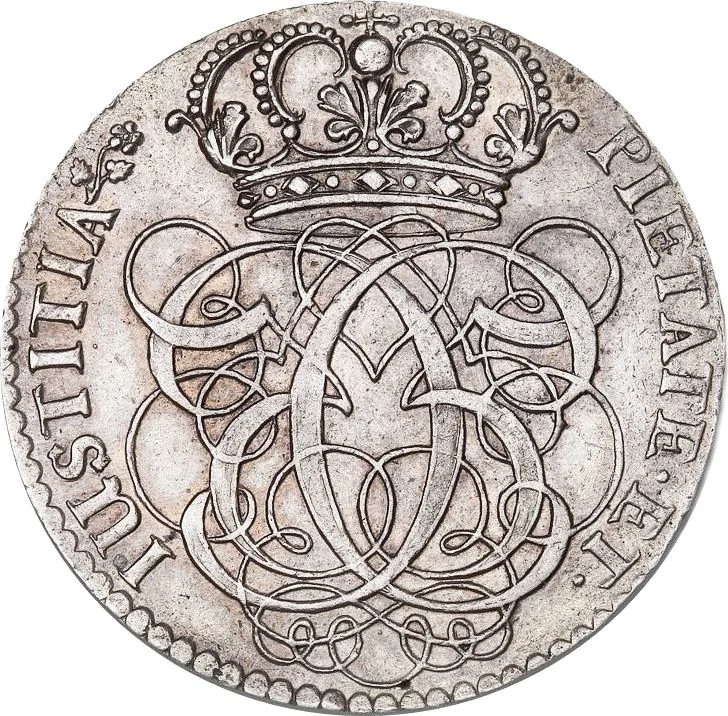
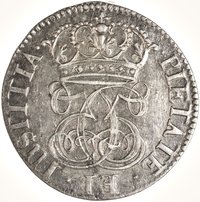
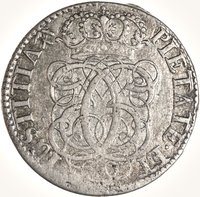
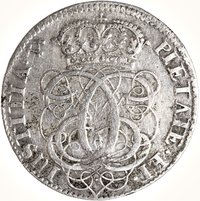
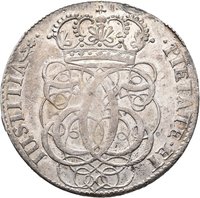
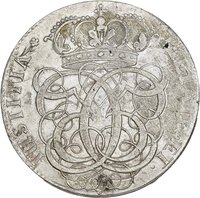
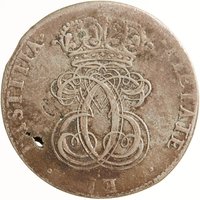
Crowned mirrored monogram of Christian V, encircled by inscription, with a beaded ring on the rim.
Inscription:
C 5
PIETATE·ET· IUSTITIA (mm)
PIETATE·ET· IUSTITIA (mm)
Script: Latin
Reverse
Description:
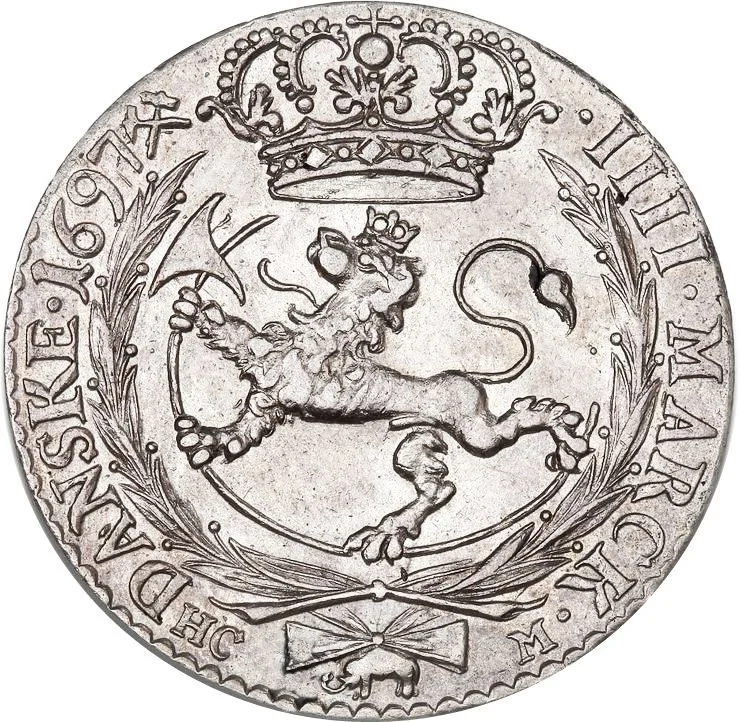
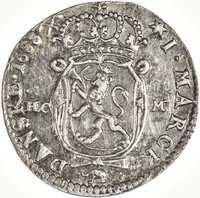
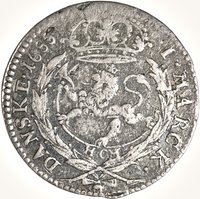
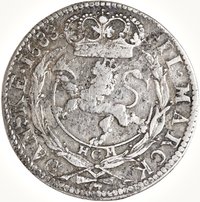
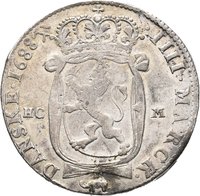
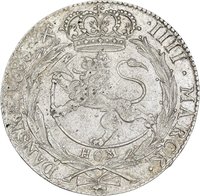
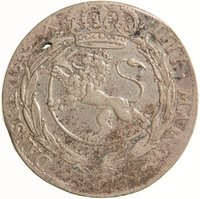
A left-facing crowned rampant lion holding a curved halberd within a laurel wreath, above an elephant sign dividing initials. A larger crown tops the design, surrounded by an inscription with a beaded rim.
Inscription:
·IIII·MARCK· DANSKE·1697⚒
HC M
HC M
Script: Latin
Edge
Plain
Mints
| Name | Mark |
|---|---|
| Norwegian Mint | — |
Mintings
| Year | Mint Mark | Mintage | Quality | Collection |
|---|---|---|---|---|
| 1688 | — | — | ||
| 1689 | — | 19,000 | ||
| 1690 | — | 14,000 | ||
| 1691 | — | 16,000 | ||
| 1692 | — | 19,000 | ||
| 1693 | — | 25,000 | ||
| 1694 | — | 27,000 | ||
| 1695 | — | 29,000 | ||
| 1696 | — | 45,000 | ||
| 1697 | — | 76,000 | ||
| 1698 | — | 65,000 | ||
| 1699 | — | 56,000 |
Historical background
In 1688, Norway was part of the dual monarchy of Denmark-Norway, governed from Copenhagen. The currency situation was complex and challenging, characterized by a severe shortage of official coinage, particularly small change for everyday transactions. The primary unit was the riksdaler (rix-dollar), but the money in actual circulation was a chaotic mix of older Danish and Norwegian coins, foreign currencies (like German, Dutch, and Swedish coins), and a vast quantity of clipped and debased coins. This scarcity and inconsistency severely hampered local trade and market exchanges.
The root of the problem lay in the state's fiscal policies. To finance costly wars, the Danish crown had repeatedly debased the currency by reducing the silver content in minted coins, leading to inflation and a loss of public trust. Good, full-weight coins were often hoarded or exported, while poor-quality coins flooded the market. Furthermore, the official exchange rates set by the government failed to keep pace with the market value of the different metals, creating arbitrage opportunities that worsened the drain of sound money from the kingdom.
In response to this crisis, the state had introduced kreditivsedler (credit notes) in 1695, just a few years after 1688, but in our focal year, these paper instruments were not yet in circulation. Therefore, the everyday economy in 1688 relied heavily on primitive credit between merchants, barter for goods and services, and the use of physical commodities like butter and dried fish as informal currency in rural areas. This unsatisfactory monetary environment highlighted the central government's struggle to maintain a unified and stable economic system across its dual realms.
The root of the problem lay in the state's fiscal policies. To finance costly wars, the Danish crown had repeatedly debased the currency by reducing the silver content in minted coins, leading to inflation and a loss of public trust. Good, full-weight coins were often hoarded or exported, while poor-quality coins flooded the market. Furthermore, the official exchange rates set by the government failed to keep pace with the market value of the different metals, creating arbitrage opportunities that worsened the drain of sound money from the kingdom.
In response to this crisis, the state had introduced kreditivsedler (credit notes) in 1695, just a few years after 1688, but in our focal year, these paper instruments were not yet in circulation. Therefore, the everyday economy in 1688 relied heavily on primitive credit between merchants, barter for goods and services, and the use of physical commodities like butter and dried fish as informal currency in rural areas. This unsatisfactory monetary environment highlighted the central government's struggle to maintain a unified and stable economic system across its dual realms.
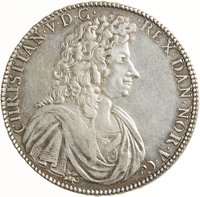
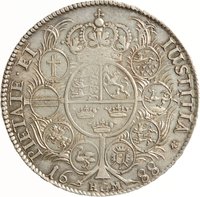
Series: 1688 Norway circulation coins
✨ Legendary