

2 mark – Norway
Add to wishlist
Norway
Context
Material
References
KM: #
Numista: #101764
Value
Bullion value: $18.66
Obverse
Description:
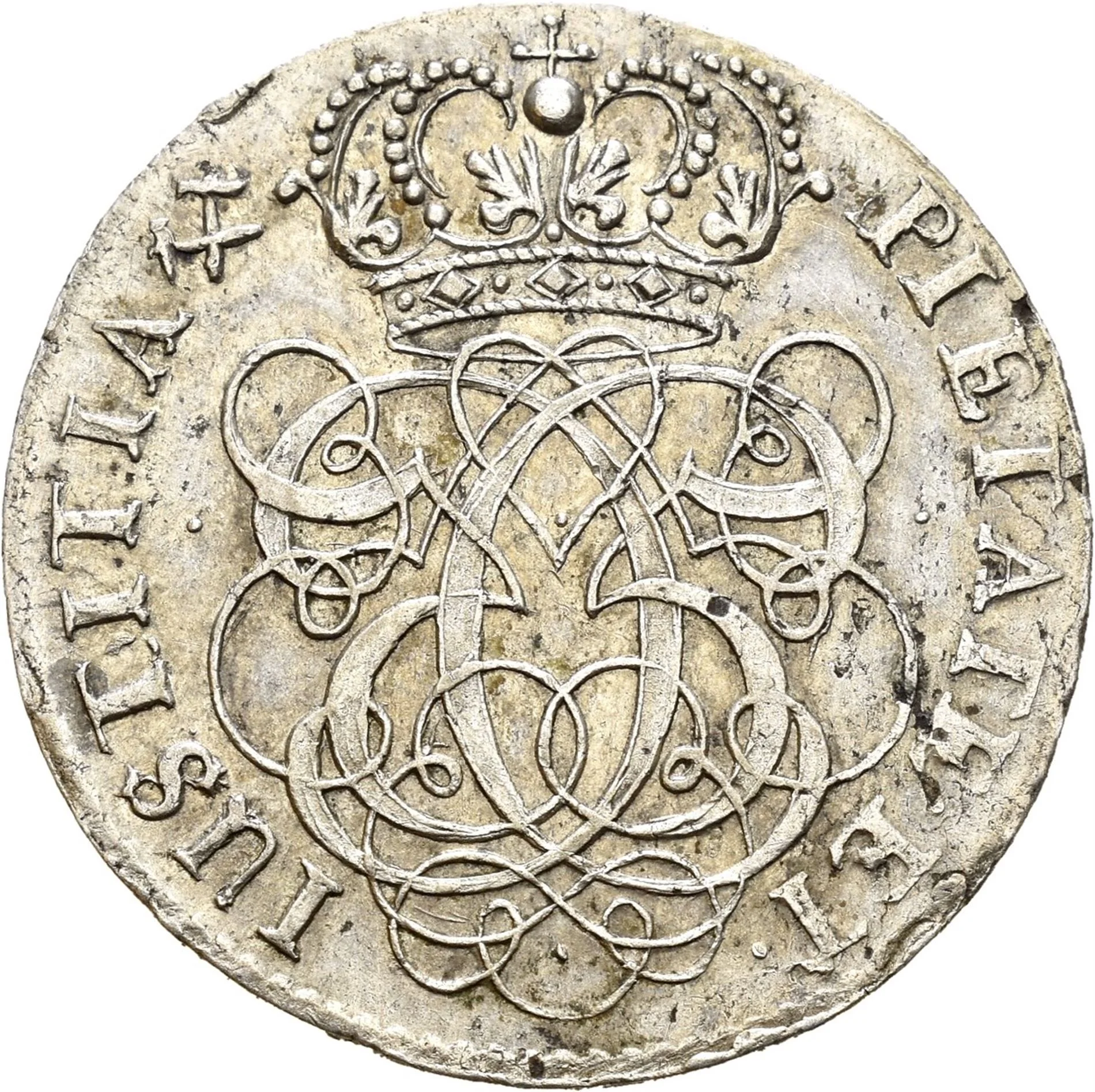
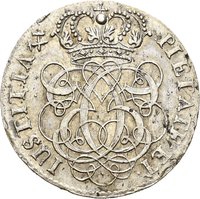
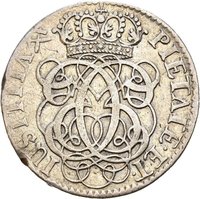
Crowned mirrored monogram of Christian V, encircled by inscription, with a beaded ring on the rim.
Inscription:
C 5
PIETATE·ET· IUSTITIA ⚒
PIETATE·ET· IUSTITIA ⚒
Script: Latin
Reverse
Description:
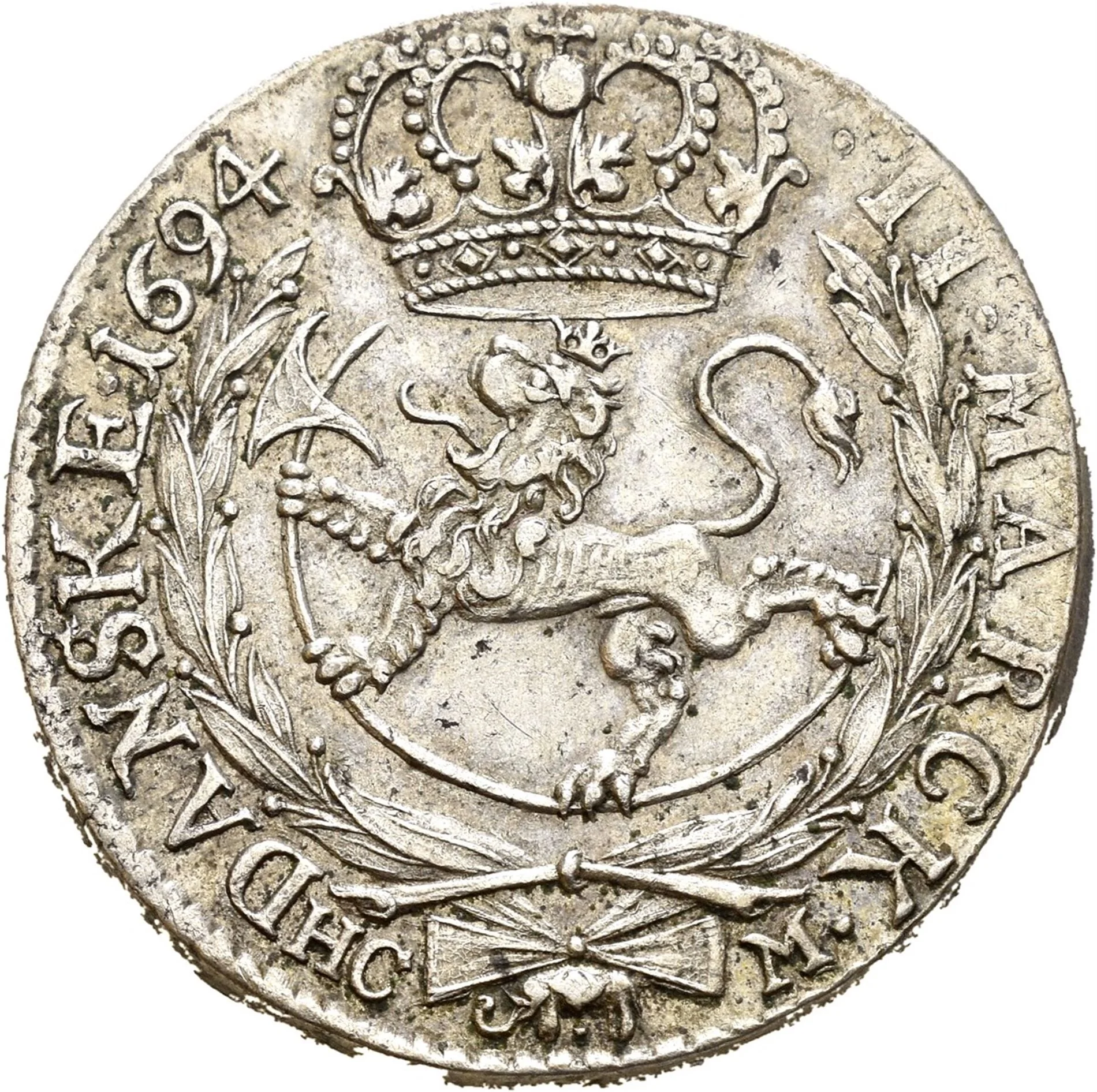
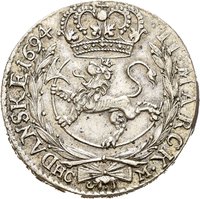
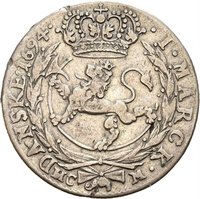
A left-facing crowned rampant lion holding a curved halberd within a laurel wreath, above an elephant sign dividing initials. A larger crown tops the design, surrounded by an inscription with a beaded rim.
Inscription:
·II·MARCK· DANSKE·1694
HC M
HC M
Script: Latin
Edge
Plain
Mints
| Name | Mark |
|---|---|
| Norwegian Mint | — |
Mintings
| Year | Mint Mark | Mintage | Quality | Collection |
|---|---|---|---|---|
| 1689 | — | — | ||
| 1690 | — | — | ||
| 1691 | — | — | ||
| 1692 | — | — | ||
| 1693 | — | — | ||
| 1694 | — | — | ||
| 1695 | — | — | ||
| 1696 | — | — |
Historical background
In 1689, Norway was part of the dual monarchy of Denmark-Norway, and its currency system was complex and strained. The primary unit was the riksdaler, a large silver coin, but everyday transactions relied on a confusing array of subsidiary coins like skilling and mark. A significant problem was the chronic shortage of physical coinage, especially small change, which hampered local trade and led to the use of makeshift solutions like promissory notes and barter, particularly in rural areas. Furthermore, the state's frequent debasement of the coinage to fund royal expenditures, especially during the recent Scanian War (1675-1679), had eroded public trust in the currency's value.
The monetary system was further destabilized by the influx of foreign coins, a common issue in European trade at the time. Dutch ducats and German thalers circulated alongside official Danish-Norwegian coinage, their value fluctuating based on silver content and market confidence. This created a chaotic environment where exchange rates were uncertain, and merchants faced significant risk. The central authorities in Copenhagen struggled to assert control, as the sheer size of Norway's territory and its active maritime trade made enforcing currency regulations nearly impossible.
Against this backdrop, the year 1689 itself fell during a period of attempted stabilization under King Christian V. His major monetary reform of 1686 had introduced new national coinage, including the Christian V daler, in an effort to standardize the system and restore confidence. However, by 1689, the effects of this reform were still being absorbed, and the underlying structural issues of shortage and foreign competition persisted. The currency situation remained a point of economic vulnerability as the kingdom navigated the political tensions of late 17th-century Europe.
The monetary system was further destabilized by the influx of foreign coins, a common issue in European trade at the time. Dutch ducats and German thalers circulated alongside official Danish-Norwegian coinage, their value fluctuating based on silver content and market confidence. This created a chaotic environment where exchange rates were uncertain, and merchants faced significant risk. The central authorities in Copenhagen struggled to assert control, as the sheer size of Norway's territory and its active maritime trade made enforcing currency regulations nearly impossible.
Against this backdrop, the year 1689 itself fell during a period of attempted stabilization under King Christian V. His major monetary reform of 1686 had introduced new national coinage, including the Christian V daler, in an effort to standardize the system and restore confidence. However, by 1689, the effects of this reform were still being absorbed, and the underlying structural issues of shortage and foreign competition persisted. The currency situation remained a point of economic vulnerability as the kingdom navigated the political tensions of late 17th-century Europe.
✨ Legendary