

200 escudos (Independence of Cape Verde) – Cape Verde
Add to wishlist
Circulating commemorative coins
Commemoration: 30th Anniversary of the Independence of Cape Verde
Cape Verde
Context
Material
Diameter: 29.5 mm
Weight: 18.05 g
Thickness: 3.5 mm
Shape: Round
Composition: Copper-nickel
Technique: Milled
Alignment: Medal alignment
flip
References
KM: #
Numista: #11928
Value
Exchange value: 200 CVE
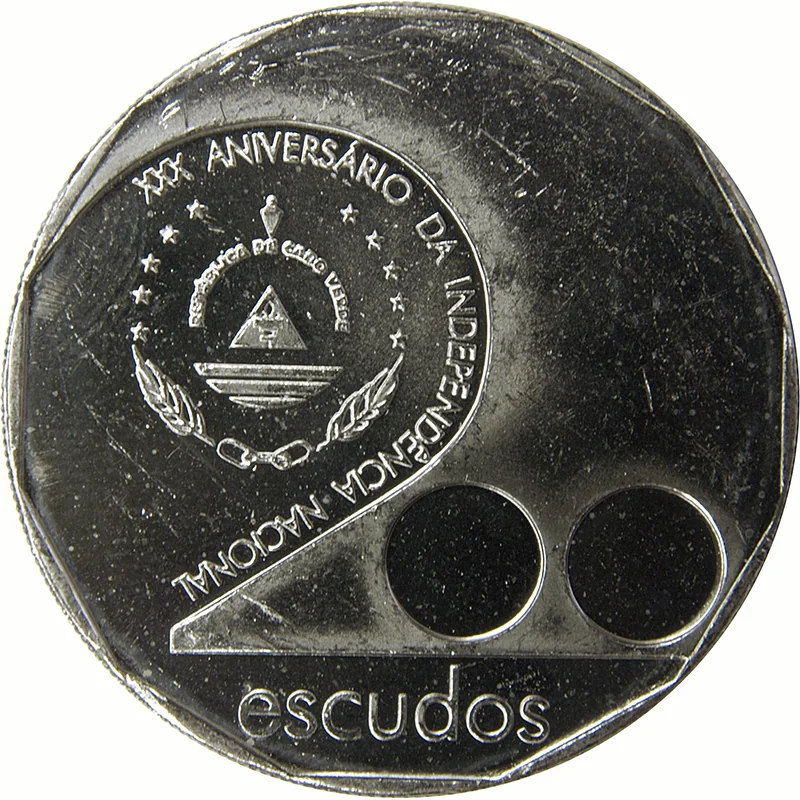
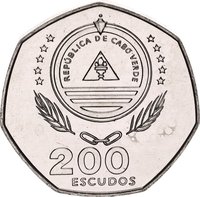
Obverse
Description:
National emblem, Article 2 of 200.
Inscription:
XXX ANIVERSARIO DA INDEPENDENCIA NACIONAL
200
escudos
200
escudos
Translation:
Thirtieth Anniversary of National Independence
200
Escudos
200
Escudos
Script: Latin
Language: Portuguese
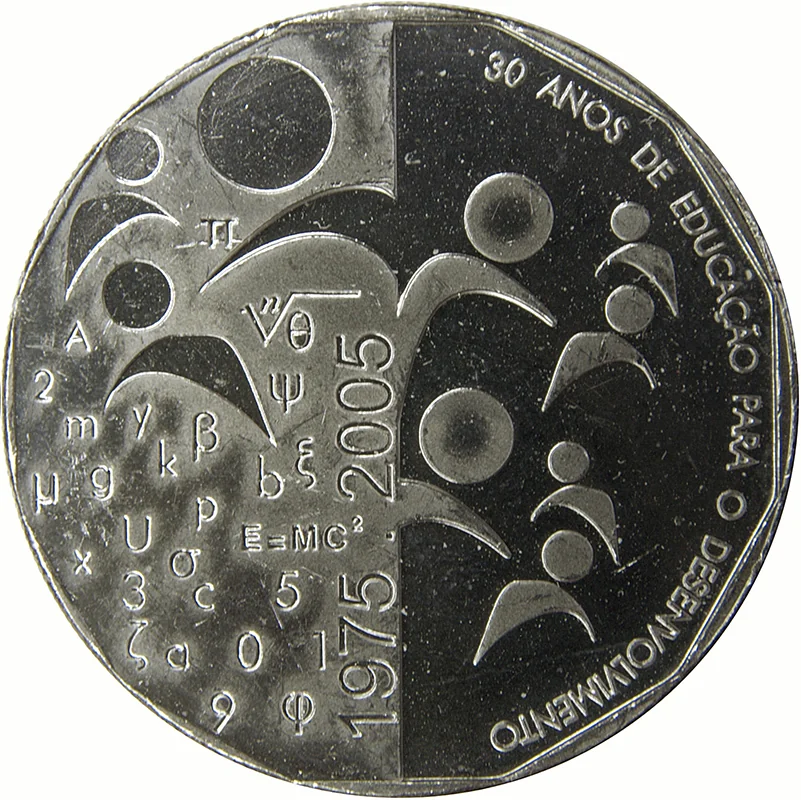
Reverse
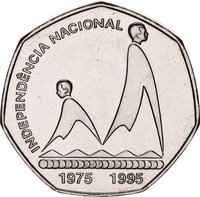
Description:
Symbolic learning design
Inscription:
30 ANOS DE EDUCACAO PARA O DESENVOLVIMENTO
1975 2005
1975 2005
Translation:
30 Years of Education for Development
1975 2005
1975 2005
Script: Latin
Language: Portuguese
Edge
Reeded
Mintings
| Year | Mint Mark | Mintage | Quality | Collection |
|---|---|---|---|---|
| 2005 | — | — |
Historical background
In 2005, the currency situation in Cape Verde was defined by a pivotal and successful monetary policy framework: the escudo (CVE) was pegged to the euro at a fixed and stable rate of 110.265 CVE to 1 EUR. This arrangement, established in 1999 following Portugal's adoption of the euro, replaced the previous peg to the Portuguese escudo. The peg was not merely a technicality but a cornerstone of national economic strategy, providing critical stability for an import-dependent island nation with a small, open economy. It anchored inflation, fostered investor confidence, and facilitated predictable transactions for the vital tourism sector and a large diaspora sending remittances.
This stability was hard-won and actively managed. The peg was backed by substantial foreign exchange reserves, which the Banco de Cabo Verde (BCV) diligently maintained, often exceeding six months of import cover. Monetary policy was entirely subordinated to defending the fixed exchange rate, meaning the BCV's primary tool was adjusting interest rates to manage liquidity and ensure the escudo's credibility. This discipline, supported by prudent fiscal policies and structural reforms, had successfully tamed the high inflation of previous decades, with rates falling to low single digits by the mid-2000s.
Consequently, the dominant narrative in 2005 was one of consolidation and confidence. The escudo was considered a bedrock of macroeconomic stability, a significant achievement that distinguished Cape Verde from many of its regional peers. Discussions were less about currency crisis and more about leveraging this stability for further development. The government and central bank were focused on maintaining the discipline required for the peg while exploring avenues for sustainable growth, a policy track that would soon lead to Cape Verde's graduation from Least Developed Country status in 2007. The fixed exchange rate was the linchpin of its economic credibility.
This stability was hard-won and actively managed. The peg was backed by substantial foreign exchange reserves, which the Banco de Cabo Verde (BCV) diligently maintained, often exceeding six months of import cover. Monetary policy was entirely subordinated to defending the fixed exchange rate, meaning the BCV's primary tool was adjusting interest rates to manage liquidity and ensure the escudo's credibility. This discipline, supported by prudent fiscal policies and structural reforms, had successfully tamed the high inflation of previous decades, with rates falling to low single digits by the mid-2000s.
Consequently, the dominant narrative in 2005 was one of consolidation and confidence. The escudo was considered a bedrock of macroeconomic stability, a significant achievement that distinguished Cape Verde from many of its regional peers. Discussions were less about currency crisis and more about leveraging this stability for further development. The government and central bank were focused on maintaining the discipline required for the peg while exploring avenues for sustainable growth, a policy track that would soon lead to Cape Verde's graduation from Least Developed Country status in 2007. The fixed exchange rate was the linchpin of its economic credibility.
🌟 Uncommon