

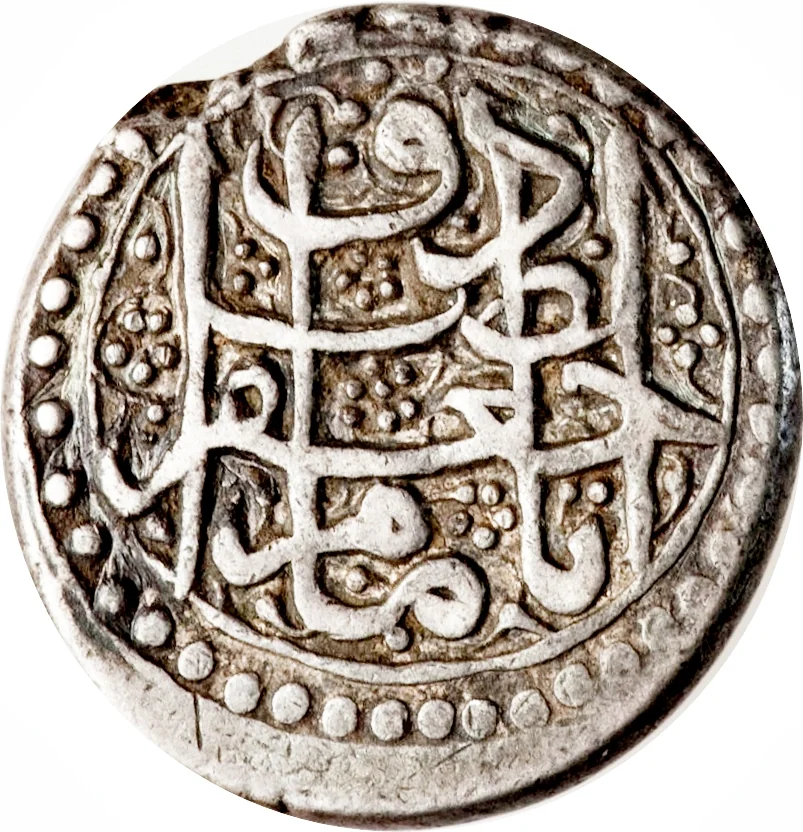
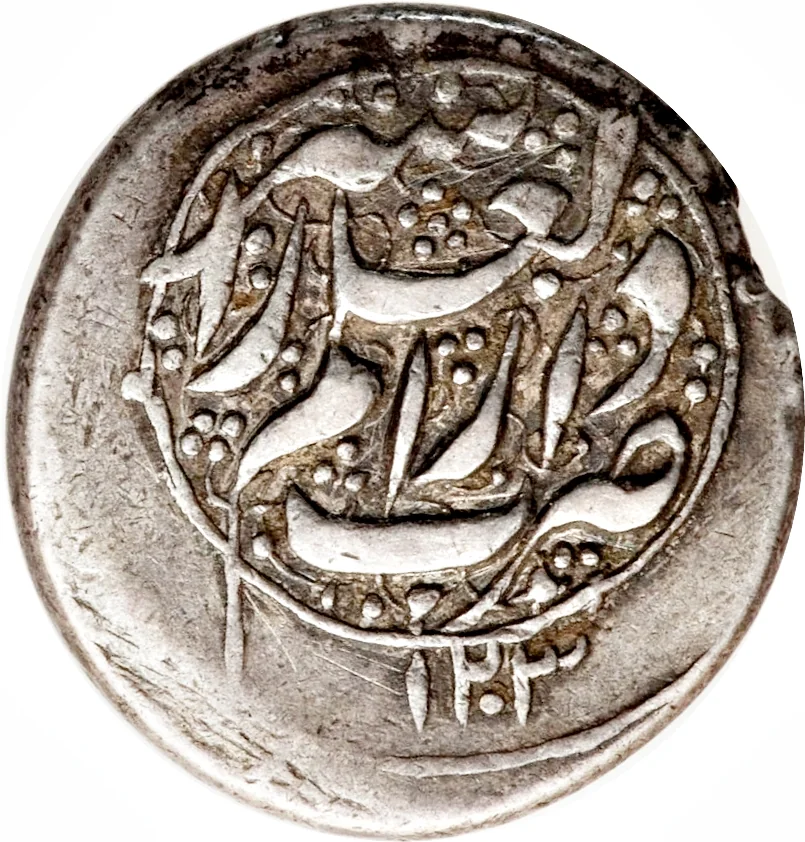
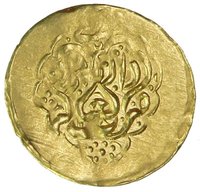
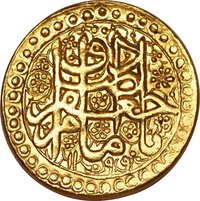
Obverse
Inscription:
یا امام جعـــفر الصـــادق
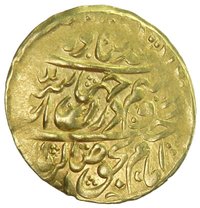
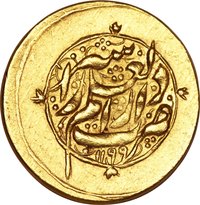
Reverse
Inscription:
ضرب دارالعلم شیراز
۱۲۰۳
۱۲۰۳
Edge
Plain
Mints
| Name | Mark |
|---|---|
| Shiraz | — |
Mintings
| Year | Mint Mark | Mintage | Quality | Collection |
|---|---|---|---|---|
| 1785 | — | — | ||
| 1786 | — | — | ||
| 1787 | — | — | ||
| 1788 | — | — | ||
| 1789 | — | — | ||
| 1790 | — | — |
Historical background
In 1785, Iran was under the rule of the Zand dynasty, with Karim Khan Zand having passed away in 1779, ushering in a period of instability and civil war among his successors. The currency system reflected this political fragmentation. The primary unit was the silver toman (a unit of account) and the rial (a silver coin), but the state's control over minting was weakened. Various regional khans and contenders for the throne, particularly the rising Qajar leader Agha Mohammad Khan in the north, often struck their own coins to assert sovereignty and finance their military campaigns. This led to a proliferation of coins of varying weight, purity, and design, causing significant confusion in trade.
The economy itself was strained by constant warfare, disrupting agriculture and the vital silk trade. Furthermore, a major historical drain on Iran's silver reserves—a chronic trade deficit with India—continued unabated. Silver coins were exported to pay for Indian goods, while the lower-value copper puls were used for local, everyday transactions. This scarcity of high-quality silver currency exacerbated the monetary chaos, as the intrinsic value of a silver coin could often exceed its face value, leading to hoarding or melting.
Consequently, the currency situation in 1785 was one of decentralization and debasement. There was no uniform national currency, trust in coinage was low, and the monetary system was more a reflection of political contest than economic stability. This environment hindered commerce and taxation, further weakening the central authority of the Zands, who would soon be overthrown by the Qajars in 1794. The period thus represents a transitional low point in Iranian monetary history, awaiting the consolidation that the Qajar dynasty would later impose.
The economy itself was strained by constant warfare, disrupting agriculture and the vital silk trade. Furthermore, a major historical drain on Iran's silver reserves—a chronic trade deficit with India—continued unabated. Silver coins were exported to pay for Indian goods, while the lower-value copper puls were used for local, everyday transactions. This scarcity of high-quality silver currency exacerbated the monetary chaos, as the intrinsic value of a silver coin could often exceed its face value, leading to hoarding or melting.
Consequently, the currency situation in 1785 was one of decentralization and debasement. There was no uniform national currency, trust in coinage was low, and the monetary system was more a reflection of political contest than economic stability. This environment hindered commerce and taxation, further weakening the central authority of the Zands, who would soon be overthrown by the Qajars in 1794. The period thus represents a transitional low point in Iranian monetary history, awaiting the consolidation that the Qajar dynasty would later impose.
✨ Legendary