

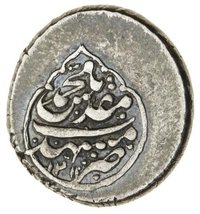
1 Rial – Iran
Iran
Context
Material
References
KM: #Click to copy to clipboard632.2
Numista: #61996
Value
Bullion value: $36.75
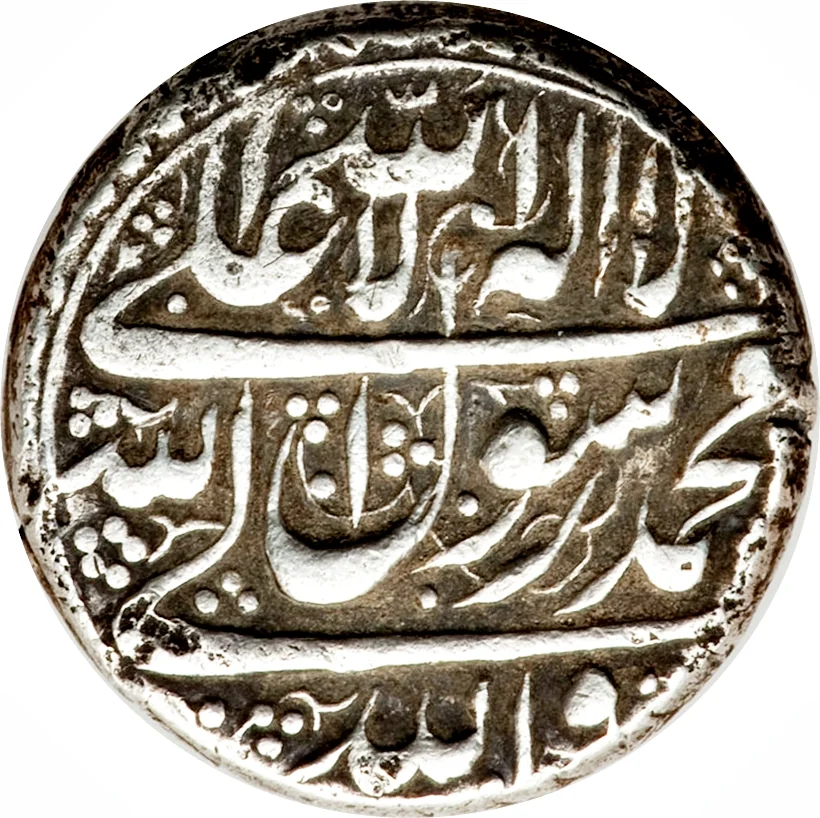
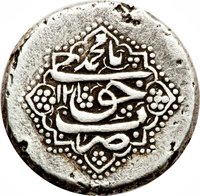
Obverse
Inscription:
لا اله الا الله
محمد رسول الله
علی ولی الله
محمد رسول الله
علی ولی الله
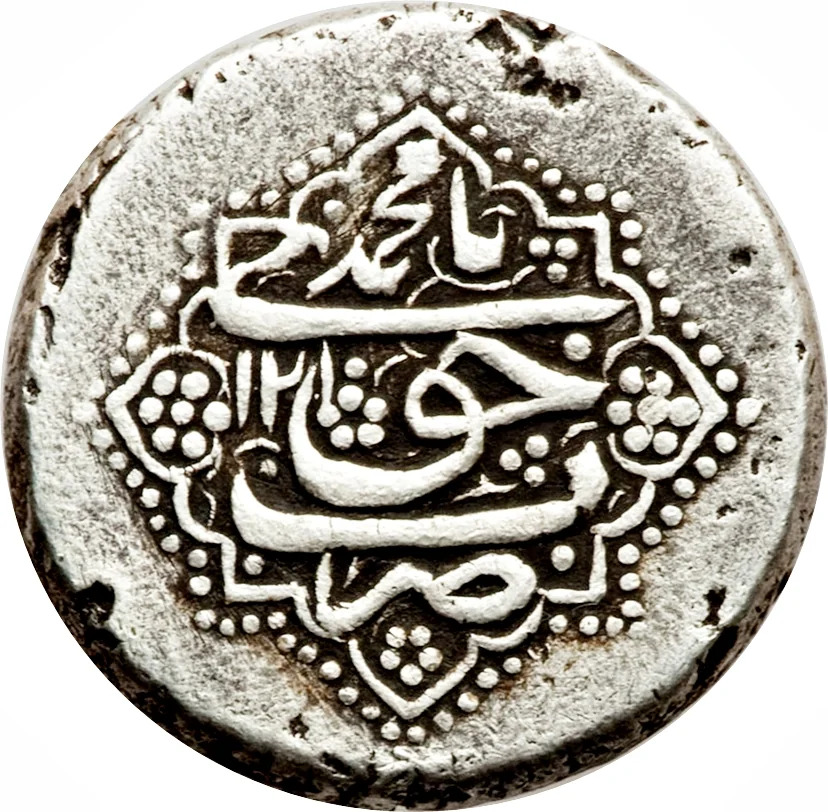
Reverse
Inscription:
یا محمد
ضرب خوی
۱۲۱۰
ضرب خوی
۱۲۱۰
Edge
Plain
Mints
| Name | Mark |
|---|---|
| Khoy | — |
Mintings
| Year | Mint Mark | Mintage | Quality | Collection |
|---|---|---|---|---|
| 1796 | — | — | ||
| 1797 | — | — | ||
| 1798 | — | — |
Historical background
In 1796, Iran’s currency system was a complex and fragmented reflection of its political and economic state following the establishment of the Qajar dynasty by Agha Mohammad Khan. The century had been marked by extreme instability, including the fall of the Safavids, Afghan invasions, and internecine conflict, which had severely disrupted the economy and debased the coinage. The monetary system was not unified, operating on a bimetallic standard of silver and copper, with the principal silver coin being the rial and the more commonly used accounting unit being the toman (equal to 10,000 dinars or 10 rials). However, the actual coins in circulation were a heterogeneous mix from previous regimes, regional mints, and foreign trade, leading to wide variations in weight and purity.
The authority to mint coins was decentralized, with provincial khans and governors often issuing their own currency, further undermining uniformity and trust in the monetary system. This lack of central control meant that the value of currency could differ significantly from one city to another, complicating trade and taxation. Furthermore, decades of war had drained silver from the economy, leading to a proliferation of low-value copper coins (fulus) for everyday transactions, which were frequently debased. The state's fiscal weakness meant it often resorted to currency manipulation to meet expenses, eroding public confidence.
Internationally, foreign trade and currency played a significant role, particularly with the Russian Empire, the Ottoman Empire, British India, and the Dutch. European silver coins, especially the Dutch levendaalder (lion dollar), circulated alongside local issues, valued for their consistent silver content. This external reliance highlighted the weakness of the domestic currency. Therefore, in 1796, as Agha Mohammad Khan crowned himself Shah, he inherited a monetary system in disarray—debased, decentralized, and struggling to facilitate a recovering national economy, setting a significant challenge for the nascent Qajar state’s consolidation of power.
The authority to mint coins was decentralized, with provincial khans and governors often issuing their own currency, further undermining uniformity and trust in the monetary system. This lack of central control meant that the value of currency could differ significantly from one city to another, complicating trade and taxation. Furthermore, decades of war had drained silver from the economy, leading to a proliferation of low-value copper coins (fulus) for everyday transactions, which were frequently debased. The state's fiscal weakness meant it often resorted to currency manipulation to meet expenses, eroding public confidence.
Internationally, foreign trade and currency played a significant role, particularly with the Russian Empire, the Ottoman Empire, British India, and the Dutch. European silver coins, especially the Dutch levendaalder (lion dollar), circulated alongside local issues, valued for their consistent silver content. This external reliance highlighted the weakness of the domestic currency. Therefore, in 1796, as Agha Mohammad Khan crowned himself Shah, he inherited a monetary system in disarray—debased, decentralized, and struggling to facilitate a recovering national economy, setting a significant challenge for the nascent Qajar state’s consolidation of power.
✨ Legendary