

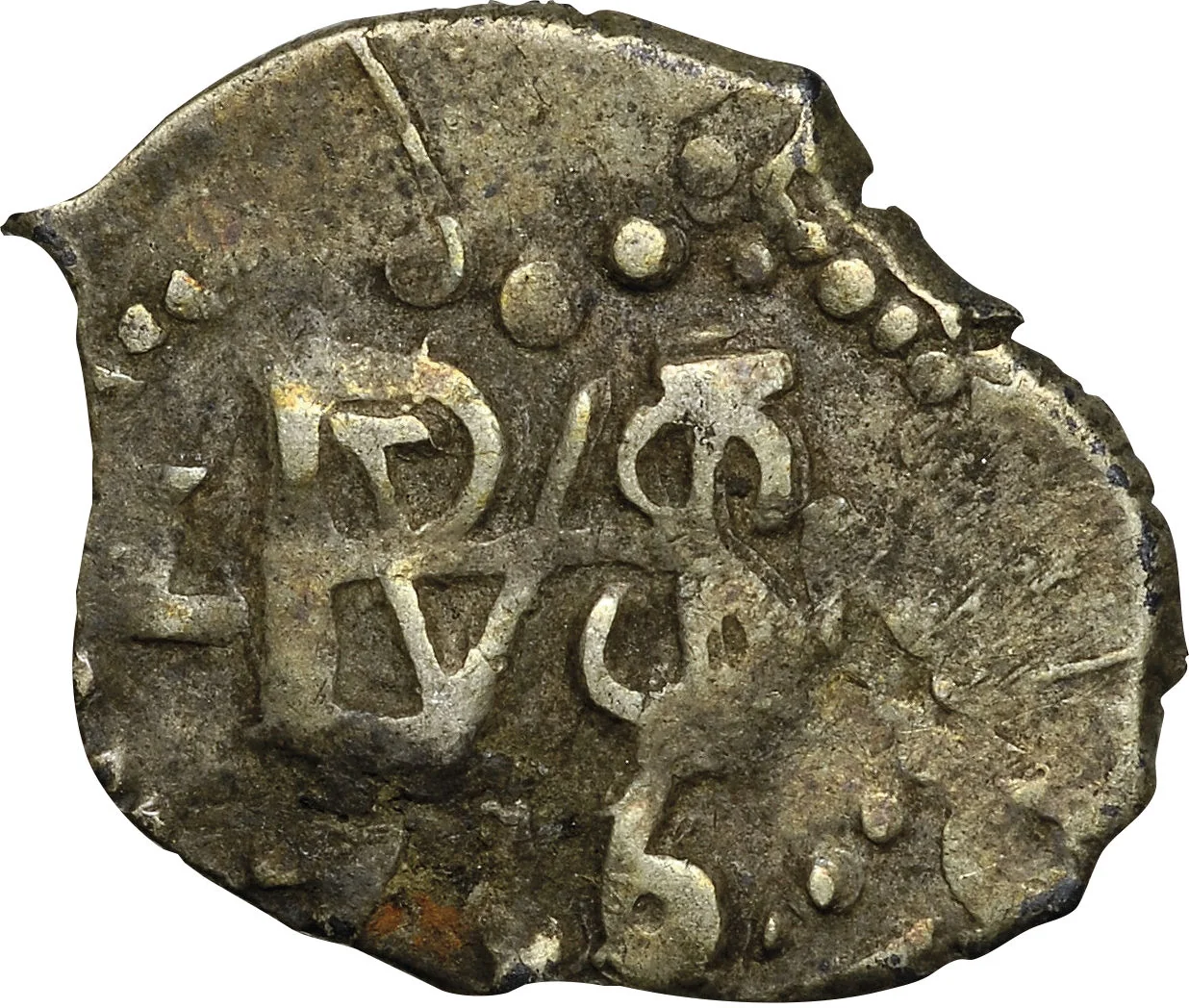
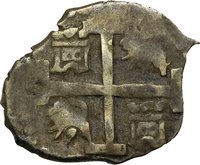
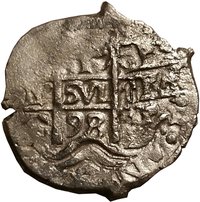
Obverse
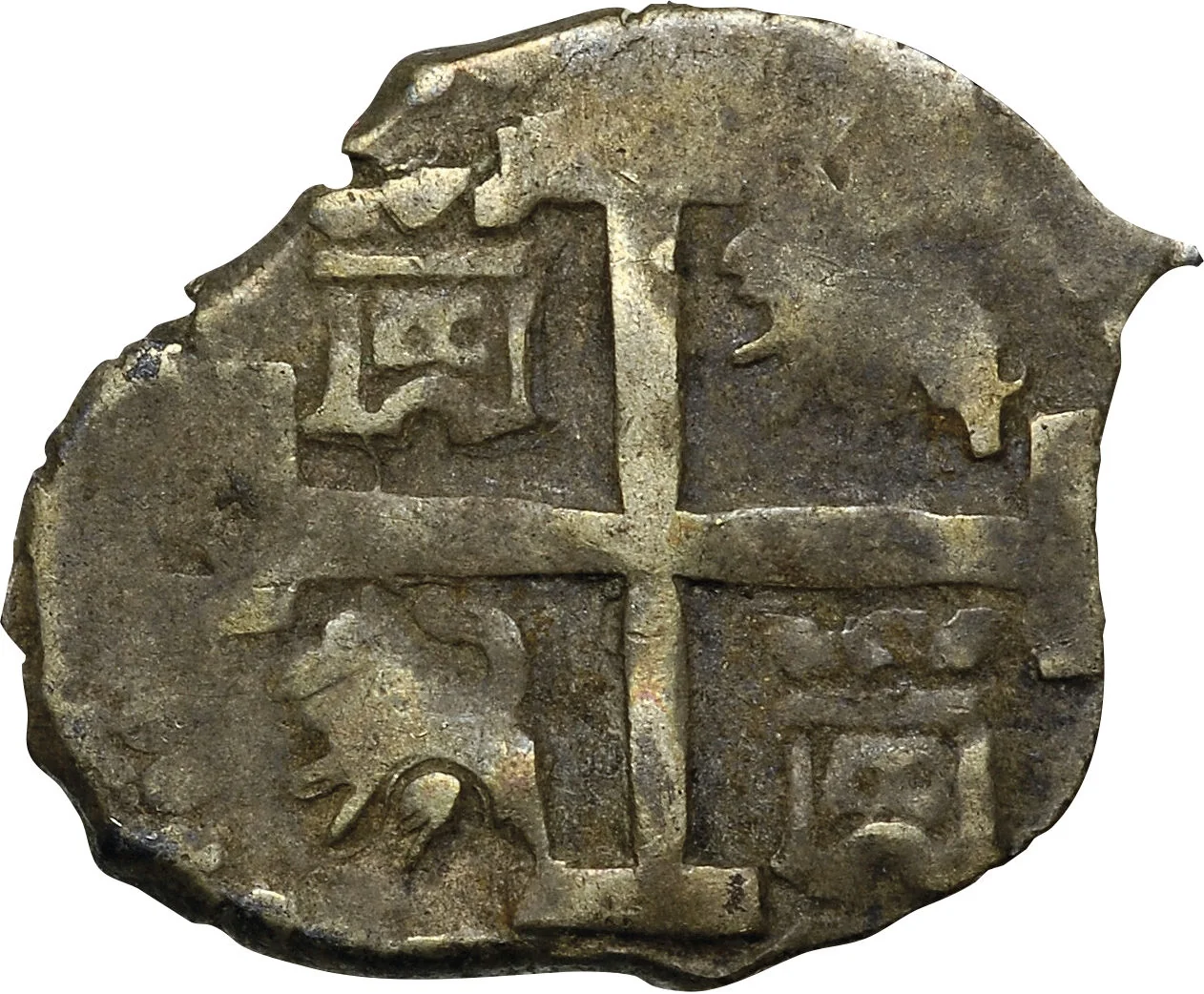
Reverse
Edge
Mintings
| Year | Mint Mark | Mintage | Quality | Collection |
|---|---|---|---|---|
| 1654 | PE | — | ||
| 1654 | PPER | — | ||
| 1655 | P | — | ||
| 1655 | PPH | — | ||
| 1657 | P | — | ||
| 1658 | PE | — | ||
| 1659 | PE | — | ||
| 1660 | PE | — | ||
| 1661 | PE | — | ||
| 1662 | PE | — | ||
| 1663 | PE | — | ||
| 1664 | PE | — | ||
| 1665 | PE | — | ||
| 1666 | PE | — |
Historical background
In 1654, Bolivia, then part of the Spanish Viceroyalty of Peru and known as the region of Upper Peru (Alto Perú), operated within a complex and strained monetary system. The economic lifeblood of the area was the Potosí mint, established in 1574 to coin silver from the nearby Cerro Rico mountain, the largest silver deposit in the world. The primary unit of account was the Spanish real, with eight reales making a peso or "piece of eight." However, the currency situation was fraught with two major, interconnected issues: widespread debasement through fraud and a severe shortage of small-denomination coins for daily transactions.
The root of the crisis was the infamous practice of "mocha" or coin clipping, where individuals shaved precious metal from the edges of coins. More damaging was the systemic fraud at the Potosí mint itself, which reached its peak in the 1640s. Corrupt officials, including the assayers and the mint's treasurer, produced coins that were significantly underweight and below the official silver standard. This led to a massive scandal, discovered by Spanish authorities, resulting in the temporary closure of the mint from 1650 to 1652. By 1654, the mint had reopened under strict new oversight from a visiting Spanish judge, but the economy was still flooded with debased, low-quality coinage that eroded trust in the currency.
Consequently, a severe shortage of vellón (copper) coinage and small silver reales crippled everyday commerce for the majority of the population. Large silver pesos were impractical for small purchases, leading to a reliance on barter, the physical cutting of coins into fractions (like pesos partidos), and the use of unofficial tokens. While the royal authorities in 1654 were attempting to restore integrity to the silver peso, the fundamental lack of fractional currency remained an unresolved burden on the local economy, creating a disconnect between the vast silver wealth extracted from the land and the difficult monetary realities faced by its inhabitants.
The root of the crisis was the infamous practice of "mocha" or coin clipping, where individuals shaved precious metal from the edges of coins. More damaging was the systemic fraud at the Potosí mint itself, which reached its peak in the 1640s. Corrupt officials, including the assayers and the mint's treasurer, produced coins that were significantly underweight and below the official silver standard. This led to a massive scandal, discovered by Spanish authorities, resulting in the temporary closure of the mint from 1650 to 1652. By 1654, the mint had reopened under strict new oversight from a visiting Spanish judge, but the economy was still flooded with debased, low-quality coinage that eroded trust in the currency.
Consequently, a severe shortage of vellón (copper) coinage and small silver reales crippled everyday commerce for the majority of the population. Large silver pesos were impractical for small purchases, leading to a reliance on barter, the physical cutting of coins into fractions (like pesos partidos), and the use of unofficial tokens. While the royal authorities in 1654 were attempting to restore integrity to the silver peso, the fundamental lack of fractional currency remained an unresolved burden on the local economy, creating a disconnect between the vast silver wealth extracted from the land and the difficult monetary realities faced by its inhabitants.
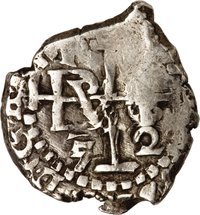
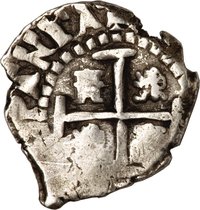
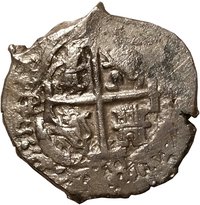
💎 Extremely Rare