

1 real – Bolivia
Add to wishlist
Bolivia
Context
Material
Diameter: 20 mm
Weight: 3.38 g
Silver Weight:: 3.15 g
Thickness: 0.7 mm
Shape: Irregular round
Composition: 93.1% Silver
Magnetic: No
Technique: Hammered
References
KM: #
Numista: #61946
Value
Bullion value: $8.01
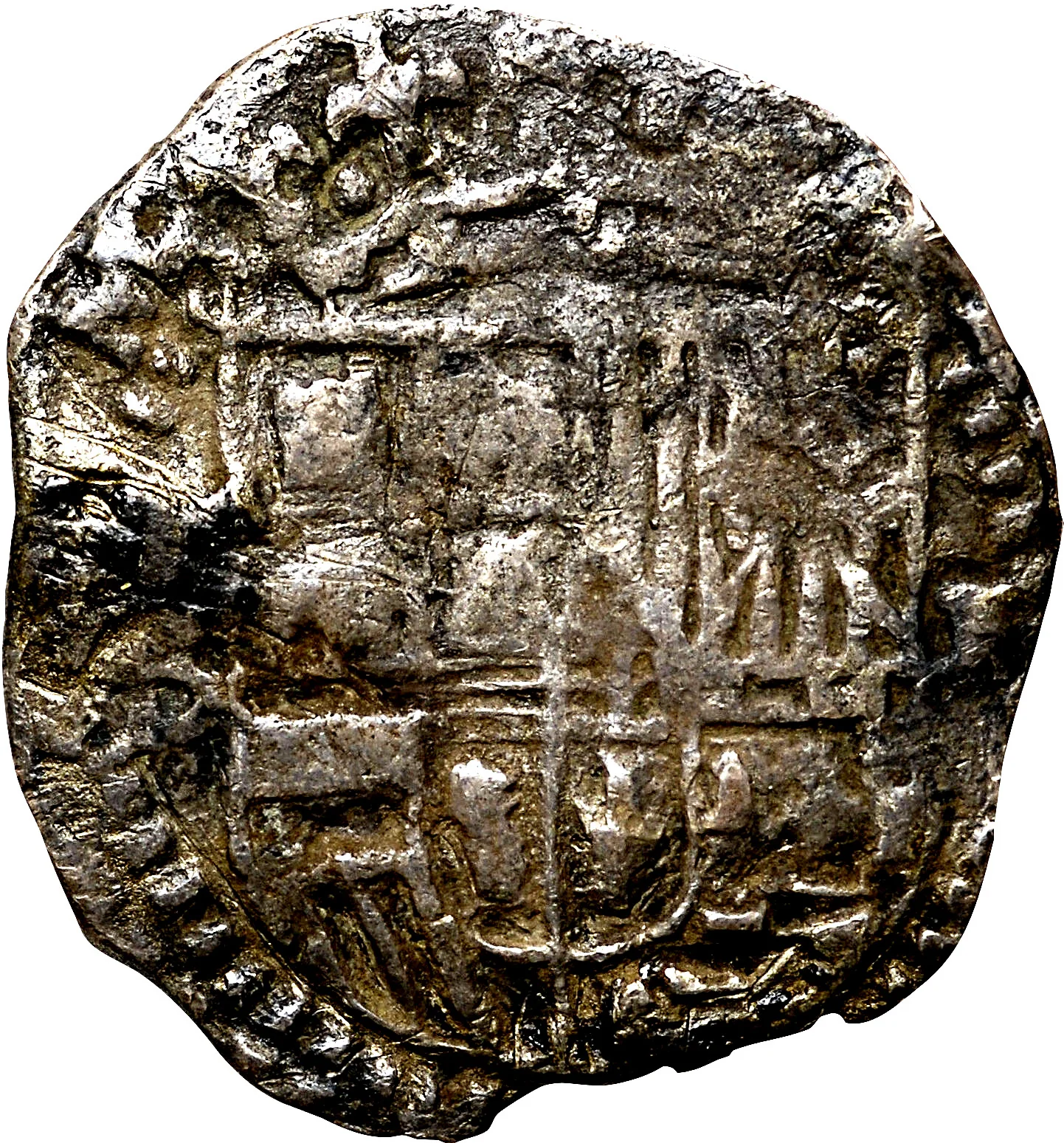
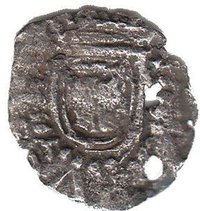
Obverse
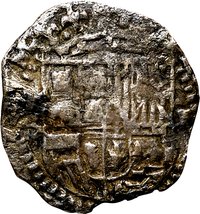
Description:
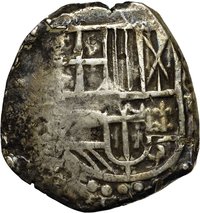
Arms of Castile, León, and others, encircled by legend.
Inscription:
P - I
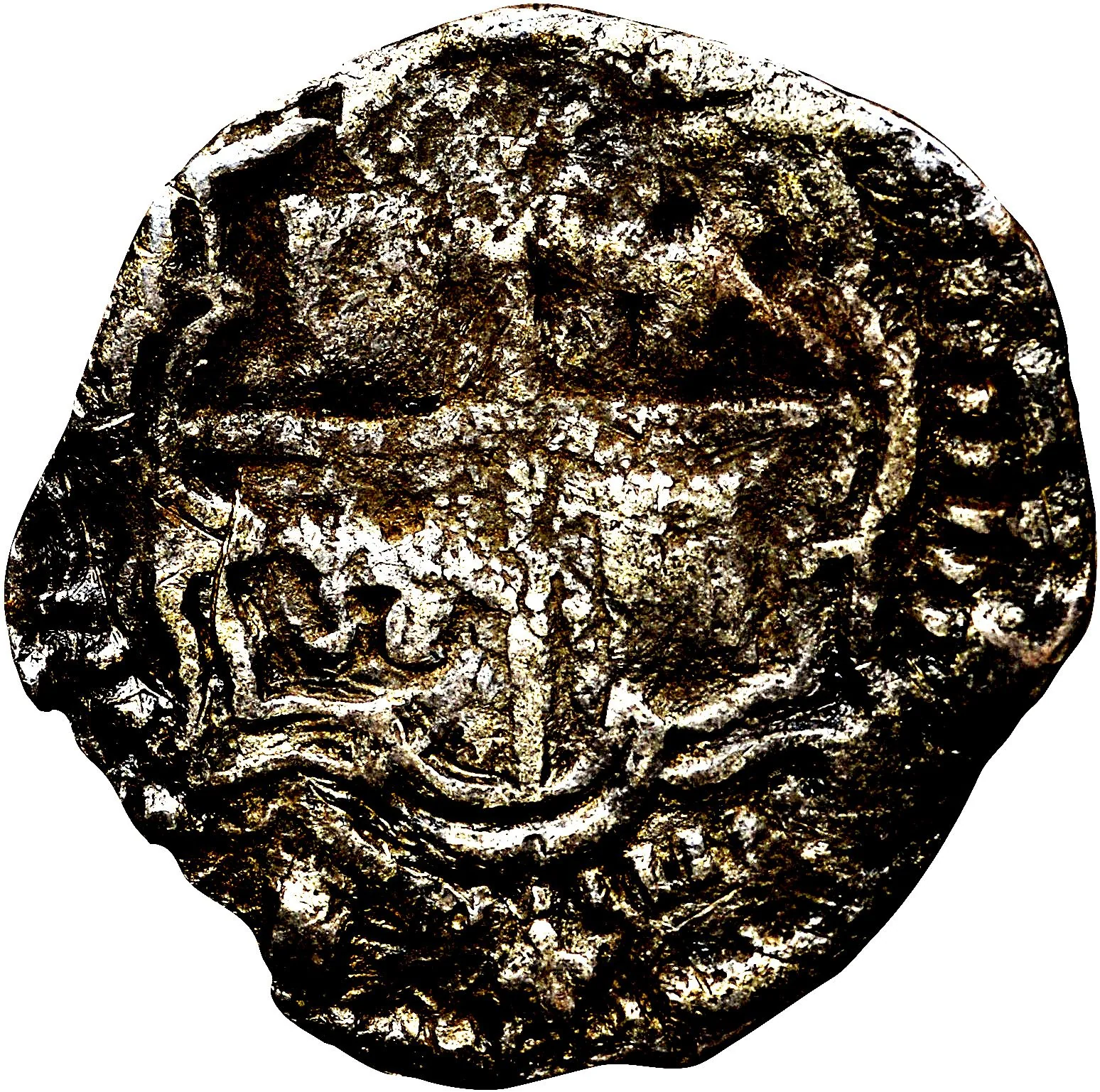
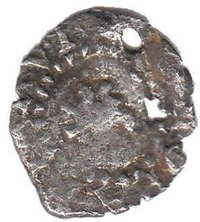
Reverse
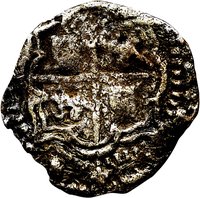
Description:
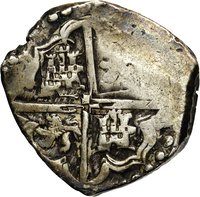
Jerusalem Cross with lions and castles.
Edge
Categories
| Symbols> Coat of Arms |
Mints
| Name | Mark |
|---|---|
| Potosi | — |
Mintings
| Year | Mint Mark | Mintage | Quality | Collection |
|---|---|---|---|---|
| 1617 | P | — | ||
| — | P | — | ||
| 1618 | P | — | ||
| 1620 | P | — |
Historical background
In 1598, the currency situation in the Royal Audiencia of Charcas (modern Bolivia) was defined by its role as the financial heart of the Spanish Empire in South America. The discovery of the Cerro Rico of Potosí in 1545 had flooded the world with silver, making the Spanish real and the peso de ocho (or "piece of eight") the dominant global currencies, minted from Bolivian ore. The primary institution governing this flow was the Casa de la Moneda (Royal Mint) in Potosí, established in 1572, which standardized coinage and sought to control quality and royal taxation through the quinto real (the "royal fifth" tax on silver).
However, the system was plagued by endemic fraud and debasement. Despite royal ordinances, a widespread practice of clipping silver from coins and mixing impurities into the bullion before minting was rampant. This was driven by local miners and refiners seeking to evade the crown's heavy taxes and maximize personal profit. The resulting currency, while abundant, was often of inconsistent purity and weight, undermining trust in transactions both within the viceroyalty and in international trade. The crown's distant authority struggled to effectively police these activities.
Consequently, the monetary landscape was a paradox of immense wealth generation coupled with institutional weakness. While Potosí silver was the engine of global commerce, the local economy also suffered from a chronic shortage of small-denomination coinage for everyday transactions, leading to the continued use of barter and coca leaves as parallel currencies. Thus, in 1598, Bolivia was not just a source of raw silver but a complex financial zone where imperial ambition, local corruption, and the needs of a booming mining society were in constant tension over the very substance of money.
However, the system was plagued by endemic fraud and debasement. Despite royal ordinances, a widespread practice of clipping silver from coins and mixing impurities into the bullion before minting was rampant. This was driven by local miners and refiners seeking to evade the crown's heavy taxes and maximize personal profit. The resulting currency, while abundant, was often of inconsistent purity and weight, undermining trust in transactions both within the viceroyalty and in international trade. The crown's distant authority struggled to effectively police these activities.
Consequently, the monetary landscape was a paradox of immense wealth generation coupled with institutional weakness. While Potosí silver was the engine of global commerce, the local economy also suffered from a chronic shortage of small-denomination coinage for everyday transactions, leading to the continued use of barter and coca leaves as parallel currencies. Thus, in 1598, Bolivia was not just a source of raw silver but a complex financial zone where imperial ambition, local corruption, and the needs of a booming mining society were in constant tension over the very substance of money.
Series: 1598 Bolivia circulation coins
💎 Extremely Rare