

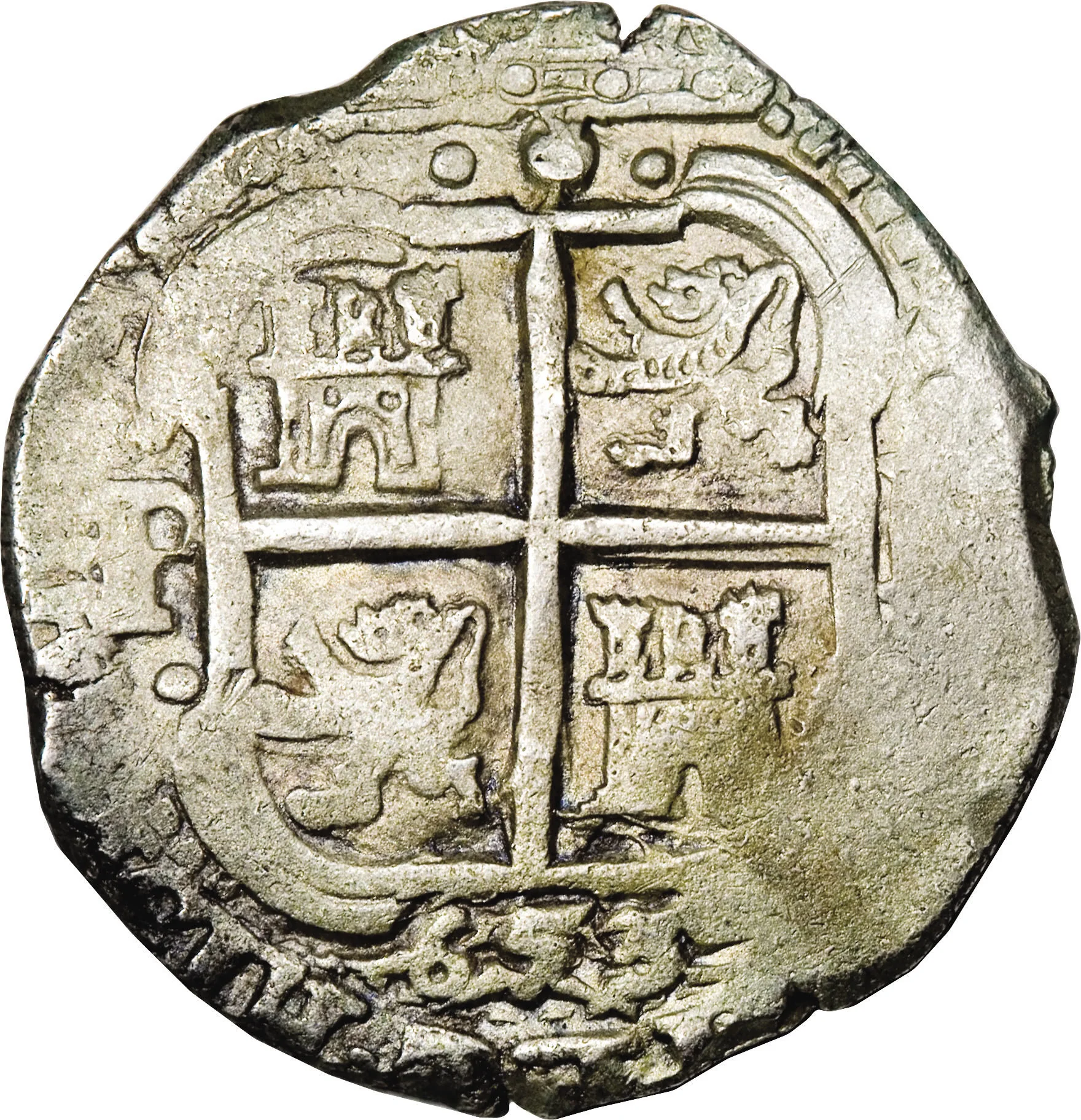
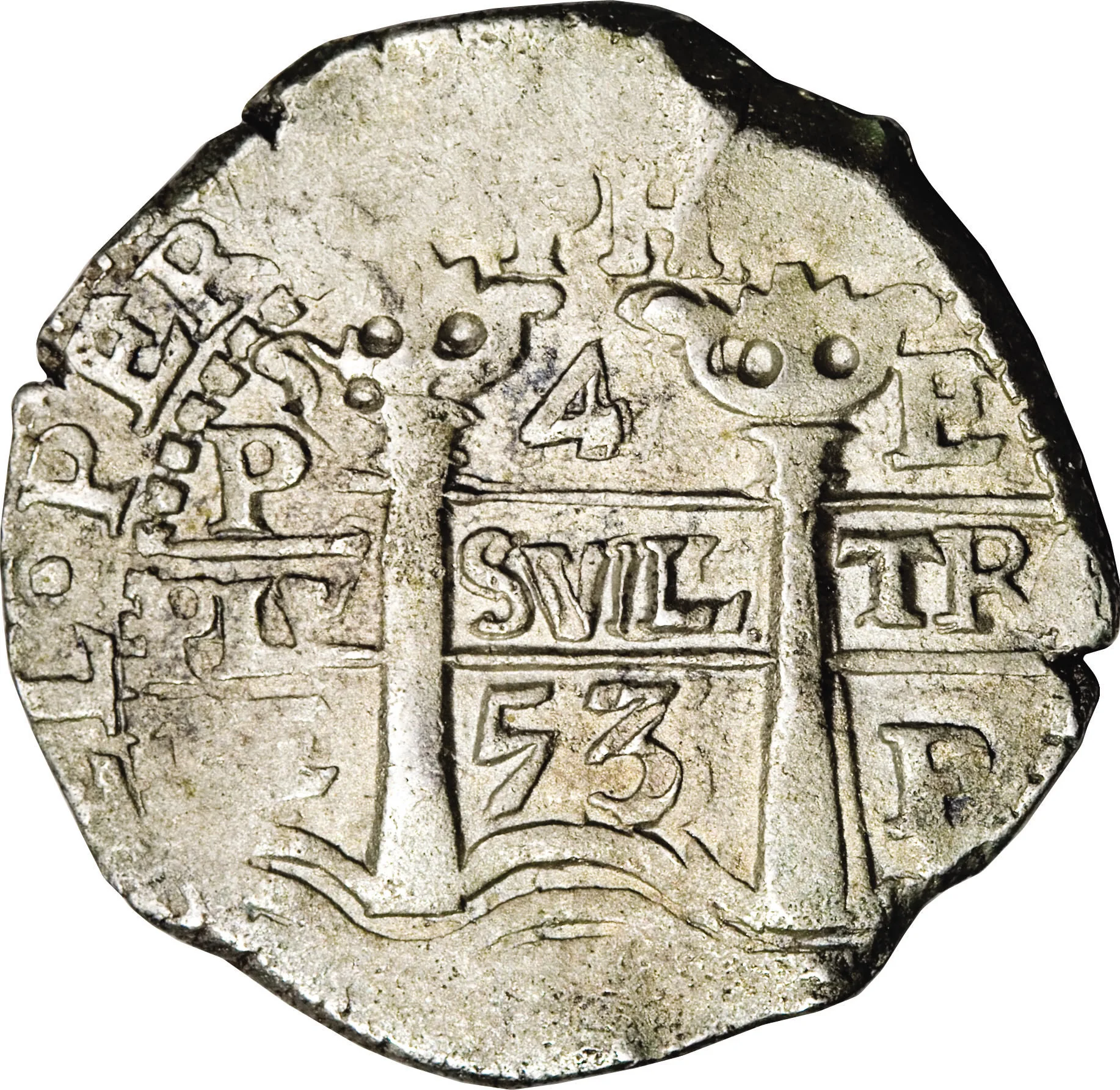

Mintings
| Year | Mint Mark | Mintage | Quality | Collection |
|---|---|---|---|---|
| 1652 | PE | — | ||
| 1653 | PE | — | ||
| 1654 | PE | — | ||
| 1655 | PE | — | ||
| 1656 | PE | — | ||
| 1657 | PE | — | ||
| 1658 | PE | — | ||
| 1659 | PE | — | ||
| 1660 | PE | — | ||
| 1661 | PE | — | ||
| 1662 | PE | — | ||
| 1664 | PE | — | ||
| 1665 | PE | — | ||
| 1666 | PE | — |
Historical background
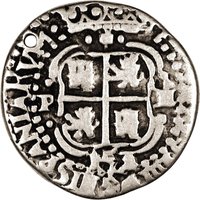
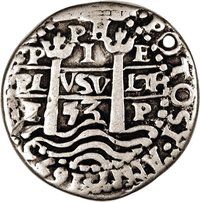
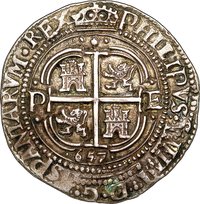
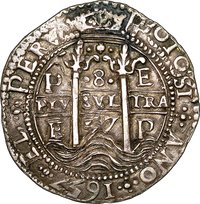
In 1652, Bolivia, then part of the Spanish Viceroyalty of Peru and known as the region of Upper Peru (Alto Perú), was at the epicenter of a global currency crisis rooted in the immense silver wealth of Potosí. The Cerro Rico mountain had been producing vast quantities of silver for over a century, making the Spanish Empire's mint in Potosí (the Casa de la Moneda) one of the most important financial centers in the world. The primary currency was the silver real, with eight reales making a peso, the famous "piece of eight." However, the integrity of this currency was under severe threat due to widespread debasement and fraud, as individuals and corrupt officials would shave or clip silver from the edges of coins, reducing their intrinsic value while their face value remained the same.
This practice of clipping coins had become so rampant by the mid-17th century that it was causing inflation, disrupting trade, and undermining confidence in Potosí's currency both locally and in international markets. The problem was systemic; even those who received full-weight coins were compelled to clip them to avoid loss, as they could not trust the coins they received in change. The Spanish Crown, recognizing that the erosion of its premier silver coinage threatened the entire imperial economy, took decisive action. In 1652, it implemented a sweeping monetary reform, ordering the recall of all existing coinage from circulation.
The solution was a technological one: the introduction of a new, machine-struck coin with a distinctive milled edge. This raised, lettered edge, created by a screw press, made clipping immediately evident and thus effectively impossible. While the full transition to this new "milled coinage" took years, the decree of 1652 marked a critical turning point. It was a direct attempt to restore faith in the currency that funded the Spanish Empire, stemming from the need to protect the legendary silver wealth of Potosí from being devalued by its own handlers.
This practice of clipping coins had become so rampant by the mid-17th century that it was causing inflation, disrupting trade, and undermining confidence in Potosí's currency both locally and in international markets. The problem was systemic; even those who received full-weight coins were compelled to clip them to avoid loss, as they could not trust the coins they received in change. The Spanish Crown, recognizing that the erosion of its premier silver coinage threatened the entire imperial economy, took decisive action. In 1652, it implemented a sweeping monetary reform, ordering the recall of all existing coinage from circulation.
The solution was a technological one: the introduction of a new, machine-struck coin with a distinctive milled edge. This raised, lettered edge, created by a screw press, made clipping immediately evident and thus effectively impossible. While the full transition to this new "milled coinage" took years, the decree of 1652 marked a critical turning point. It was a direct attempt to restore faith in the currency that funded the Spanish Empire, stemming from the need to protect the legendary silver wealth of Potosí from being devalued by its own handlers.
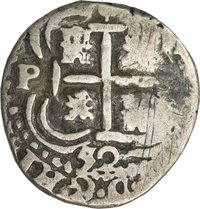
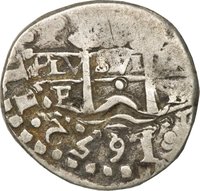
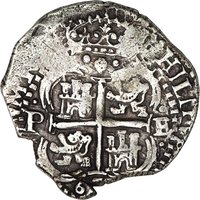
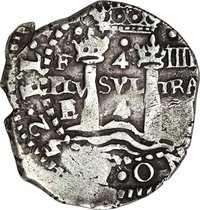
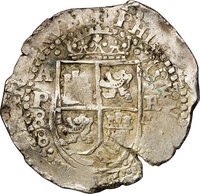
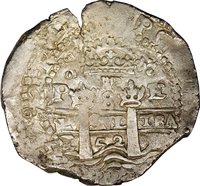
Series: 1652 Bolivia circulation coins

✨ Legendary