

Mintings
| Year | Mint Mark | Mintage | Quality | Collection |
|---|---|---|---|---|
| 1667 | PE | — | ||
| 1668 | PE | — | ||
| 1669 | PE | — | ||
| 1670 | PE | — | ||
| 1671 | PE | — | ||
| 1672 | PE | — | ||
| 1673 | PE | — | ||
| 1674 | PE | — | ||
| 1675 | PE | — | ||
| 1676 | PE | — | ||
| 1677 | PE | — | ||
| 1678 | PE | — | ||
| 1679 | PE | — | ||
| 1679 | PV | — | ||
| 1680 | PV | — | ||
| 1681 | PV | — | ||
| 1682 | PV | — | ||
| 1683 | PV | — | ||
| 1684 | PV | — | ||
| 1684 | PVR | — | ||
| 1685 | PVR | — | ||
| 1686 | PVR | — | ||
| 1687 | PVR | — | ||
| 1688 | PVR | — | ||
| 1689 | PVR | — | ||
| 1690 | PVR | — | ||
| 1691 | PVR | — | ||
| 1692 | PVR | — | ||
| 1693 | PVR | — | ||
| 1694 | PVR | — | ||
| 1695 | PVR | — | ||
| 1696 | PVR | — | ||
| 1697 | PCH | — | ||
| 1697 | PF | — | ||
| 1697 | PVR | — | ||
| 1698 | PF | — | ||
| 1698 | PVR | — | ||
| 1699 | PF | — | ||
| 1700 | PF | — | ||
| 1701 | PVR | — |
Historical background
In 1667, the currency situation in the Province of Charcas (modern Bolivia) within the Spanish Viceroyalty of Peru was defined by a severe shortage of official coinage and the widespread use of substitute currencies. The primary source of silver, the legendary Cerro Rico of Potosí, produced vast wealth, but the minting of coins was centralized at the Royal Mint in Potosí (Casa de la Moneda), which struggled to meet the demands of a booming local economy and vast imperial obligations. This scarcity of minted reales and pesos made large-scale commerce and tax collection cumbersome, creating a chronic monetary bottleneck.
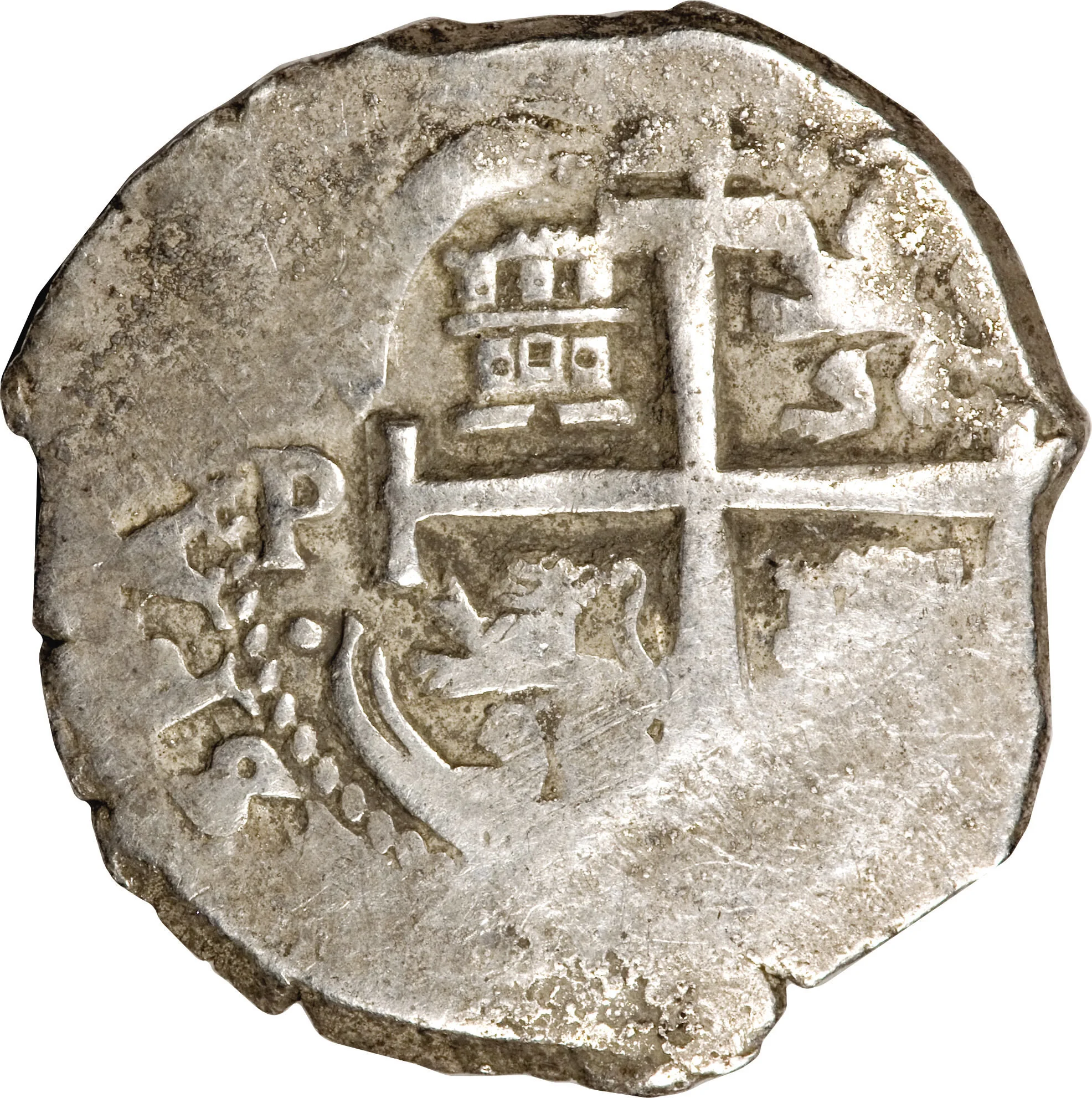
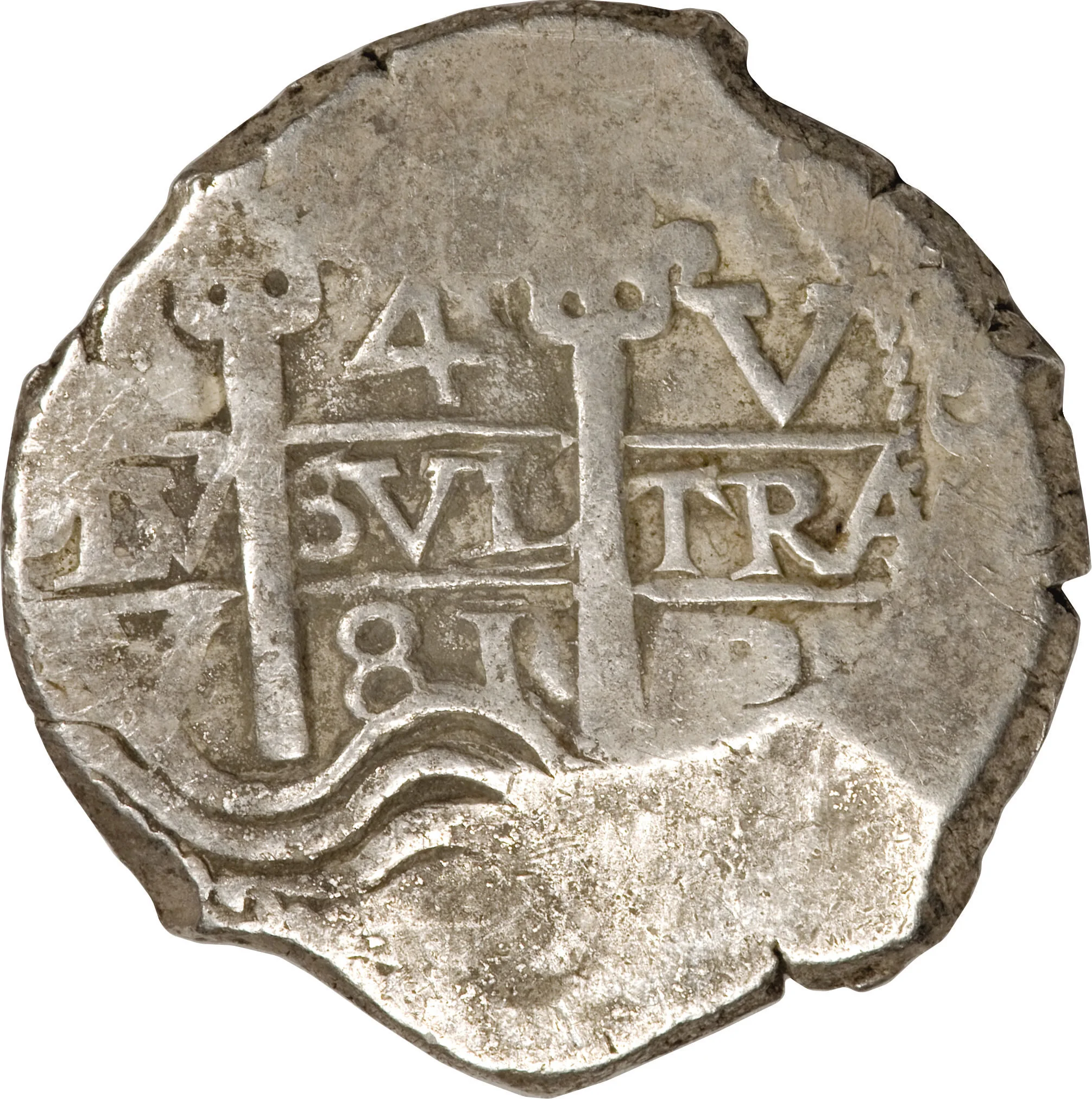
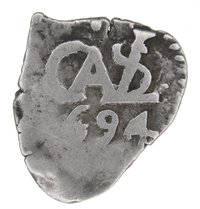
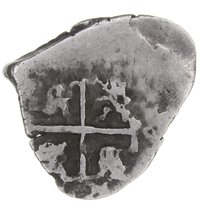
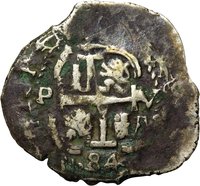
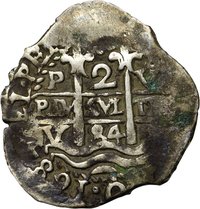
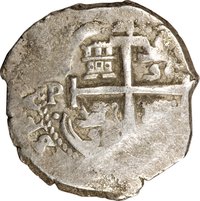
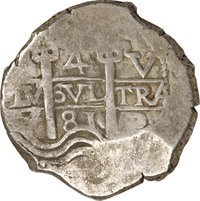
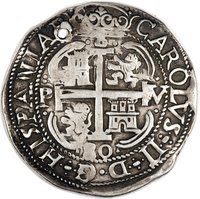
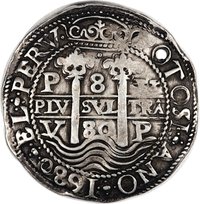
To facilitate everyday transactions, a complex system of alternative currencies emerged. The most common was macuquina or "cob" coinage—crude, irregular silver coins chopped from silver bars and stamped with minimal design, which circulated locally. More significantly, due to the extreme lack of small change, indigenous communities and local merchants often used goods as de facto currency. Cacao beans, a holdover from pre-Hispanic trade networks, were widely accepted for small purchases, as were pieces of cloth, tools, and other staple commodities. This barter economy operated in parallel with the official silver system.
The Spanish Crown viewed this heterogeneous monetary landscape with concern, as it complicated royal taxation and control over the colony's wealth. Efforts were underway to improve the efficiency of the Potosí mint and to crack down on fraud and clipping of coins, but in 1667, these measures were still a work in progress. Consequently, the economy of Bolivia in this period functioned on a dual track: a global silver economy fueled by the mines, and a local, improvised system of commodity-money that kept daily life and regional trade moving.
To facilitate everyday transactions, a complex system of alternative currencies emerged. The most common was macuquina or "cob" coinage—crude, irregular silver coins chopped from silver bars and stamped with minimal design, which circulated locally. More significantly, due to the extreme lack of small change, indigenous communities and local merchants often used goods as de facto currency. Cacao beans, a holdover from pre-Hispanic trade networks, were widely accepted for small purchases, as were pieces of cloth, tools, and other staple commodities. This barter economy operated in parallel with the official silver system.
The Spanish Crown viewed this heterogeneous monetary landscape with concern, as it complicated royal taxation and control over the colony's wealth. Efforts were underway to improve the efficiency of the Potosí mint and to crack down on fraud and clipping of coins, but in 1667, these measures were still a work in progress. Consequently, the economy of Bolivia in this period functioned on a dual track: a global silver economy fueled by the mines, and a local, improvised system of commodity-money that kept daily life and regional trade moving.
Series: 1667 Bolivia circulation coins
💎 Extremely Rare