

Obverse
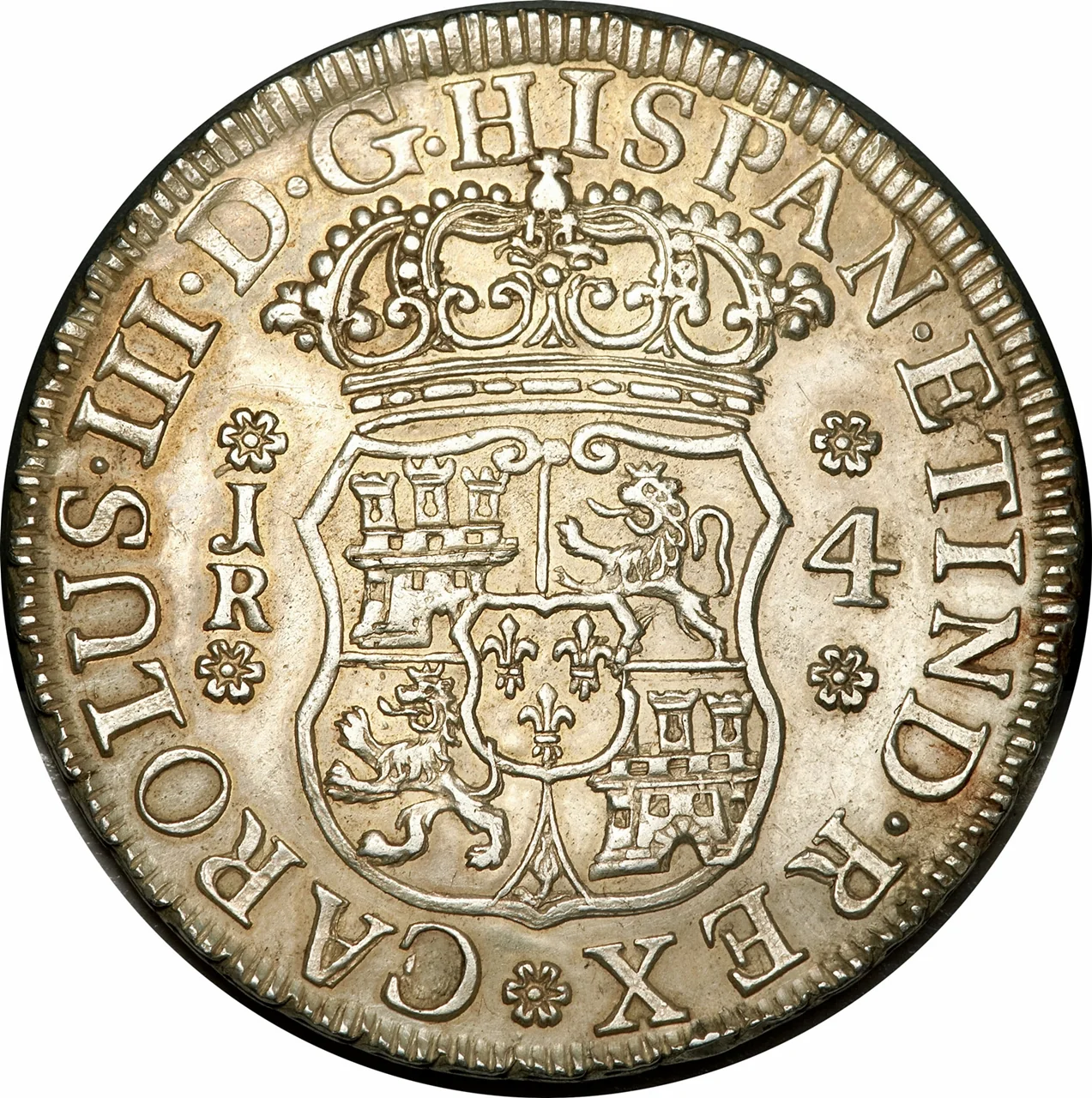
Description:
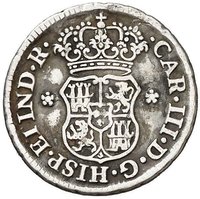
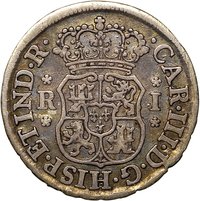
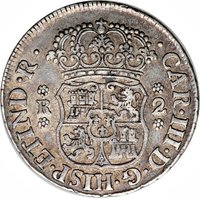
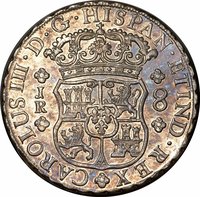
Crowned arms, assayer initials left, value right.
Inscription:
CAROLUS III · D · G · HISPAN · ET IND · REX
JR 4
JR 4
Script: Latin
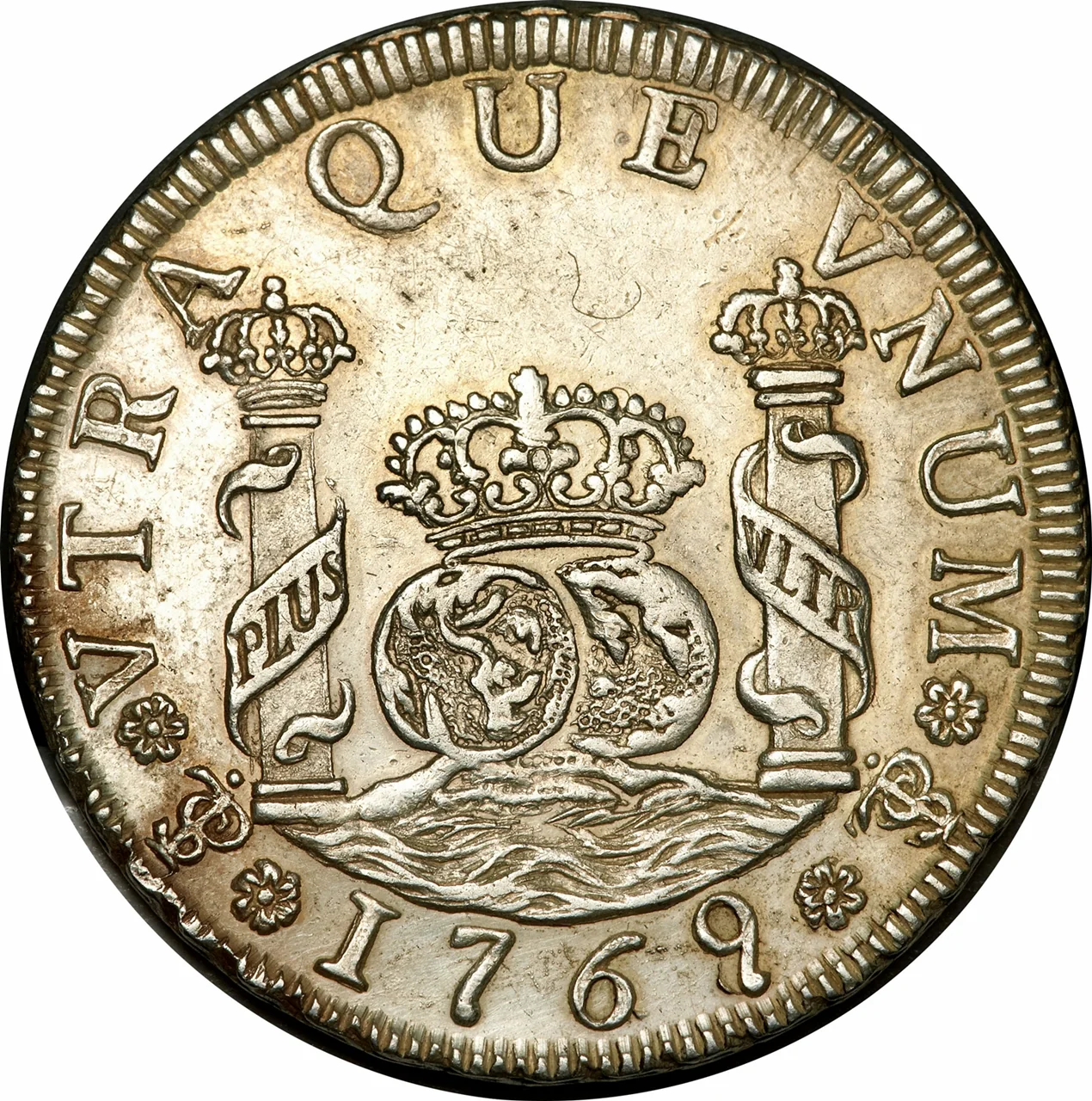
Reverse
Description:
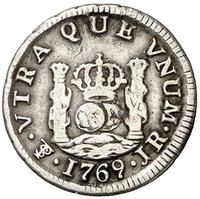
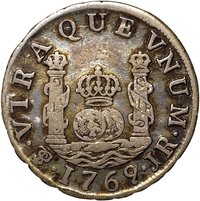
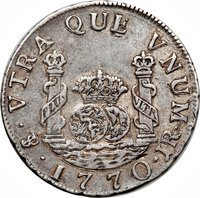
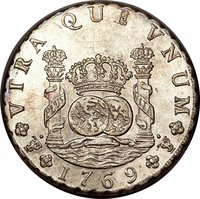
Globes and pillars crowned, waves below.
Inscription:
VTRA QUE VNUM
PLUS VLTR
1769
PLUS VLTR
1769
Script: Latin
Edge
Mints
| Name | Mark |
|---|---|
| Potosi | — |
Mintings
| Year | Mint Mark | Mintage | Quality | Collection |
|---|---|---|---|---|
| 1767 | JR | — | ||
| 1768 | JR | — | ||
| 1769 | JR | — | ||
| 1770 | JR | — |
Historical background
In 1767, the currency situation in the Viceroyalty of Peru, which included the Audiencia of Charcas (modern Bolivia), was characterized by a complex and often chaotic system rooted in Spain's colonial mercantilist policies. The primary source of currency was silver, mined overwhelmingly from the legendary Cerro Rico of Potosí. While the Spanish crown operated the mint in Potosí (the Casa de la Moneda), producing silver pesos (pieces of eight) that became a de facto global currency, the local economy suffered from a severe shortage of circulating small change. This created a paradoxical situation of immense mineral wealth coexisting with a stifling lack of practical money for everyday transactions.
The monetary landscape was a tangled mix of official and unofficial mediums of exchange. Alongside minted coins, a widespread practice was the use of pastos, which were rough, unstamped silver discs or chunks, often accepted by weight and purity. Furthermore, due to the scarcity of official low-denomination coins, barter remained essential for local and indigenous economies. The Spanish administration struggled to control this system, as smuggling of silver and the circulation of debased or counterfeit coins were rampant, undermining both royal authority and economic stability.
This period fell within the reign of King Charles III of Spain, who was in the early stages of implementing the Bourbon Reforms—a series of measures designed to reassert control and increase revenue from the colonies. While major monetary reforms for the region were still decades away (the creation of the Viceroyalty of the Río de la Plata in 1776 would shift administrative control), the pressures of 1767 were clear. The system was inefficient for local trade, leaky for crown revenues, and ultimately highlighted the growing disconnect between the colony's prolific silver production and the economic needs of its own population.
The monetary landscape was a tangled mix of official and unofficial mediums of exchange. Alongside minted coins, a widespread practice was the use of pastos, which were rough, unstamped silver discs or chunks, often accepted by weight and purity. Furthermore, due to the scarcity of official low-denomination coins, barter remained essential for local and indigenous economies. The Spanish administration struggled to control this system, as smuggling of silver and the circulation of debased or counterfeit coins were rampant, undermining both royal authority and economic stability.
This period fell within the reign of King Charles III of Spain, who was in the early stages of implementing the Bourbon Reforms—a series of measures designed to reassert control and increase revenue from the colonies. While major monetary reforms for the region were still decades away (the creation of the Viceroyalty of the Río de la Plata in 1776 would shift administrative control), the pressures of 1767 were clear. The system was inefficient for local trade, leaky for crown revenues, and ultimately highlighted the growing disconnect between the colony's prolific silver production and the economic needs of its own population.
Series: 1767 Bolivia circulation coins
💎 Extremely Rare