

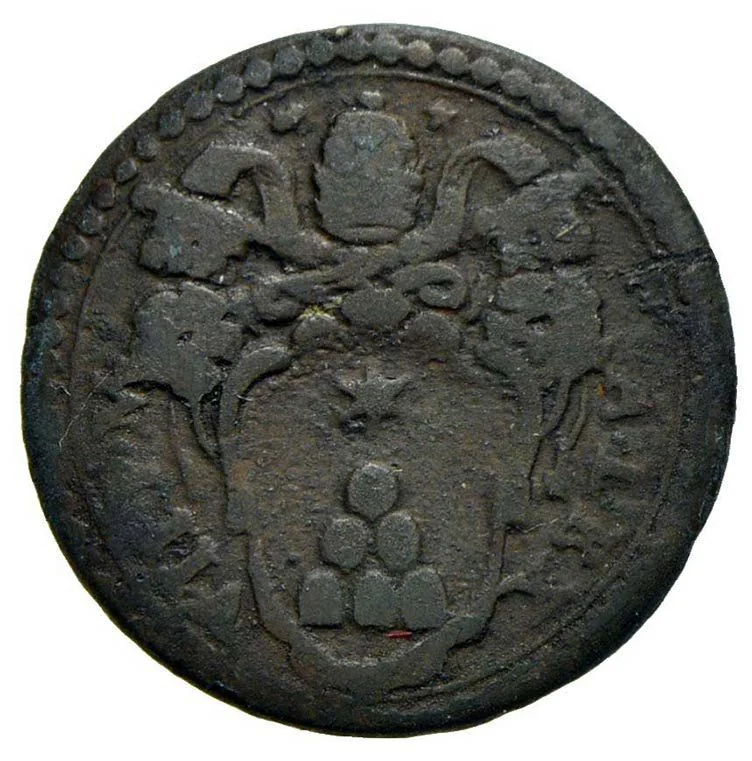
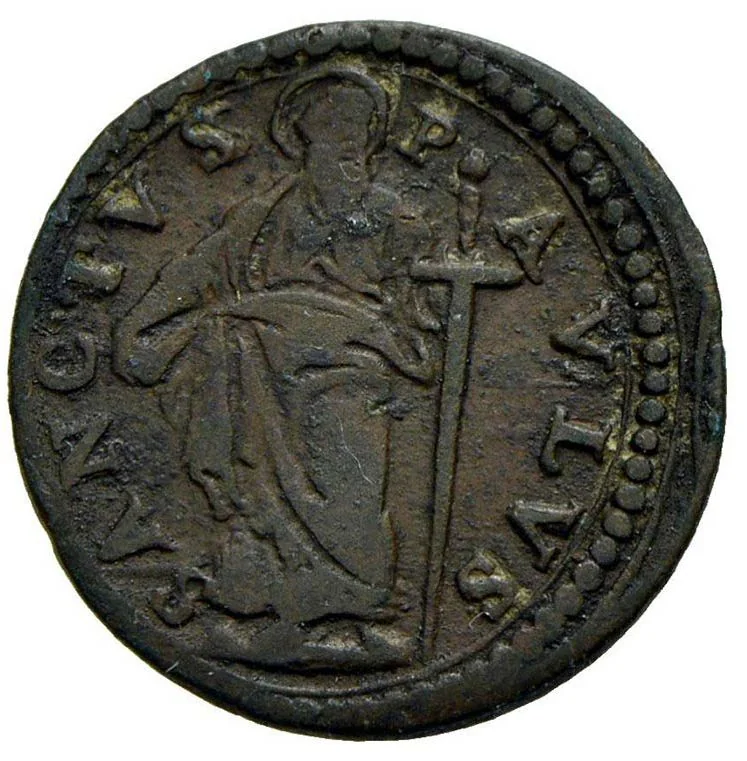
1 quattrino – Gubbio
Add to wishlist
Italy
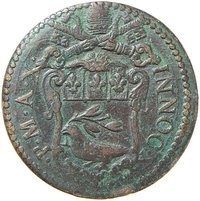
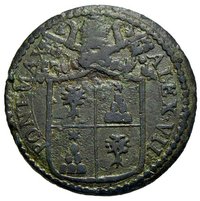
Obverse
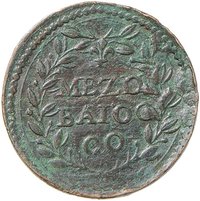
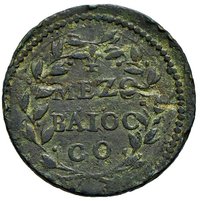
Reverse
Edge
Plain
Categories
| Person> Religious figure |
| Symbol> Crown |
| Symbols> Coat of Arms |
| Object> Cold weapons |
Mints
| Name | Mark |
|---|---|
| Gubbio | — |
Mintings
| Year | Mint Mark | Mintage | Quality | Collection |
|---|---|---|---|---|
| 1655 | — | — |
Historical background
In 1655, Gubbio, like much of central Italy, operated within a complex and often chaotic monetary system. The city was part of the Papal States, and the official currency was the Papal scudo, a silver coin. However, the reality of daily commerce was defined by a proliferation of circulating coins from other Italian states, Spanish dominions, and even foreign traders. This created a constant challenge, as the value of these coins—such as Florentine fiorini, Venetian ducati, and Spanish reales—fluctuated based on their metallic content and the credibility of the issuing authority. Local authorities regularly published tavole di valutazione (valuation tables) to set exchange rates, but these were often reactive and struggled to keep pace with market realities.
The mid-17th century was a period of significant economic strain, exacerbating Gubbio's currency troubles. The Thirty Years' War (1618-1648) had disrupted trade routes and caused widespread debasement of coinage across Europe. Furthermore, a severe famine struck central Italy in the early 1650s, driving up prices for grain and other essentials. This inflationary pressure was intensified by "bad money" – underweight or clipped coins – driving good, full-weight papal scudi out of circulation, a phenomenon described by Gresham's Law. For Gubbio's artisans, farmers, and merchants, this meant unpredictable costs, uncertain profits, and frequent disputes over payments.
Consequently, the monetary situation in 1655 Gubbio was one of practical fragmentation and local resilience. While papal coinage provided a nominal standard, the actual economy functioned through a daily calculus of metal weights and trusted equivalents. Much business, especially for the poor, was conducted in moneta piccola (small coinage) or even through barter for goods and services. The city's government would have been preoccupied with ensuring sufficient small change for the market, combating counterfeiters, and attempting to enforce its tariff lists, all in an effort to maintain a semblance of order in a system inherently prone to instability.
The mid-17th century was a period of significant economic strain, exacerbating Gubbio's currency troubles. The Thirty Years' War (1618-1648) had disrupted trade routes and caused widespread debasement of coinage across Europe. Furthermore, a severe famine struck central Italy in the early 1650s, driving up prices for grain and other essentials. This inflationary pressure was intensified by "bad money" – underweight or clipped coins – driving good, full-weight papal scudi out of circulation, a phenomenon described by Gresham's Law. For Gubbio's artisans, farmers, and merchants, this meant unpredictable costs, uncertain profits, and frequent disputes over payments.
Consequently, the monetary situation in 1655 Gubbio was one of practical fragmentation and local resilience. While papal coinage provided a nominal standard, the actual economy functioned through a daily calculus of metal weights and trusted equivalents. Much business, especially for the poor, was conducted in moneta piccola (small coinage) or even through barter for goods and services. The city's government would have been preoccupied with ensuring sufficient small change for the market, combating counterfeiters, and attempting to enforce its tariff lists, all in an effort to maintain a semblance of order in a system inherently prone to instability.
💎 Extremely Rare