

40 para – Ottoman Empire
Add to wishlist
Turkey
Context
Years: 1758–1761
Islamic (Hijri) Year:: 1171
Country: Turkey
Issuer: Ottoman Empire
Ruler: Mustafa III
Currency:
(1688—1844)
Demonetized: Yes
Material
References
KM: #
Numista: #61513
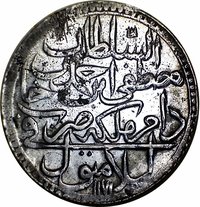
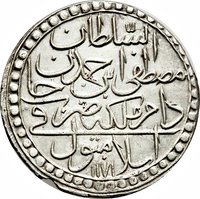
Obverse
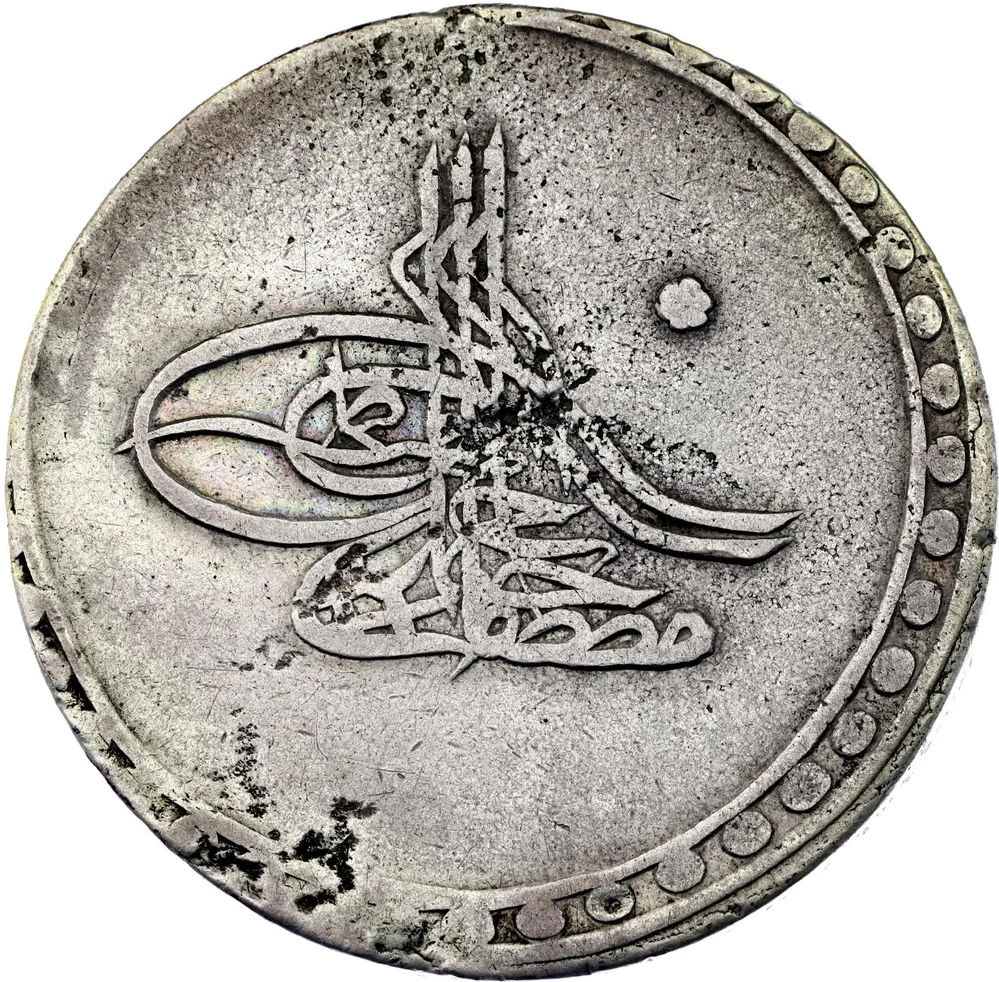
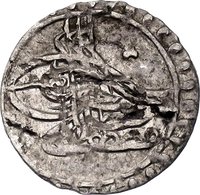
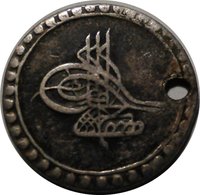
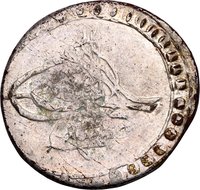
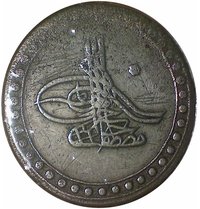
Inscription:
Tugra of the Sultan, Dot at the right of tugra
Script: Arabic
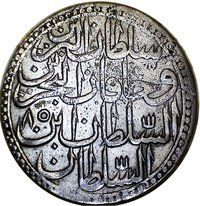
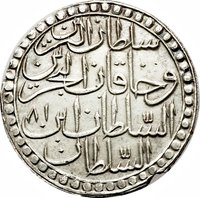
Reverse
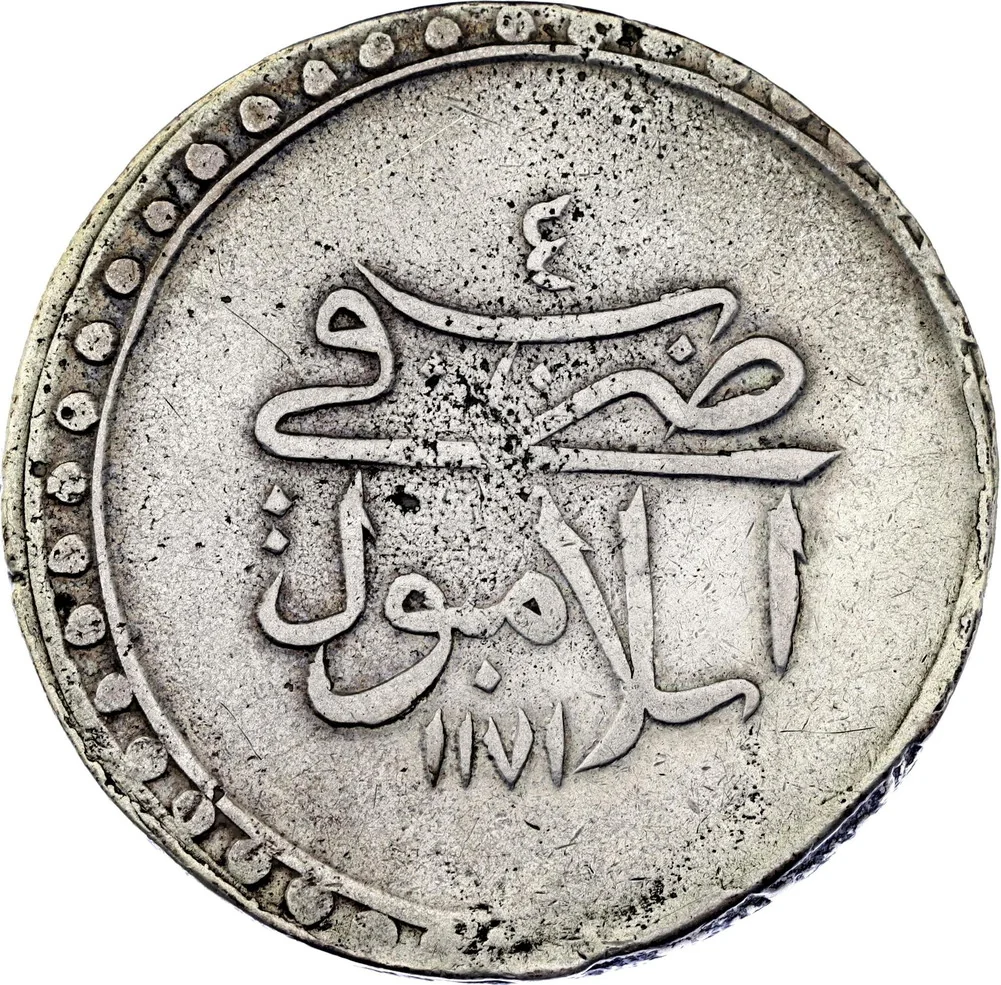
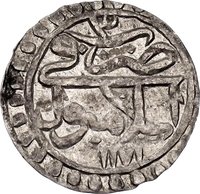
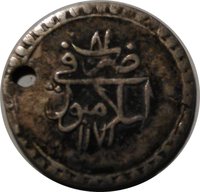
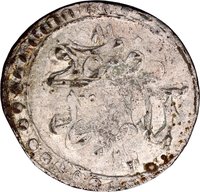
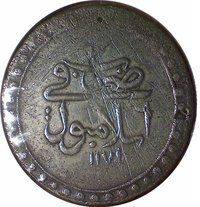
Inscription:
٨٧ ضرب في إسلامبول ١١٧١
3 Darebe fi Istambol
3 Darebe fi Istambol
Script: Arabic
Edge
Mints
| Name | Mark |
|---|---|
| Constantinople | — |
Mintings
| Year | Mint Mark | Mintage | Quality | Collection |
|---|---|---|---|---|
| 1758 | — | — | ||
| 1759 | — | — | ||
| 1760 | — | — | ||
| 1761 | — | — |
Historical background
In 1758, the Ottoman Empire’s currency system was in a state of profound crisis, a culmination of decades of debasement and fiscal strain. The primary silver coin, the akçe, had become so diminished in silver content and value that it was virtually obsolete for large transactions. In its place, the kuruş (or piastre), a larger silver coin introduced in the late 17th century, served as the main unit of account. However, the state’s chronic budget deficits, driven by costly wars, a decentralized administrative structure, and the need to pay the large Janissary corps, led the imperial mint to repeatedly debase these coins. This meant reducing their precious metal content to create more coins from the same silver reserves, a short-term fix that eroded public trust and sparked economic instability.
The consequences were severe and widespread. The erratic value of the coinage disrupted both internal trade and international commerce, as foreign merchants, particularly from Europe, struggled with unpredictable exchange rates. Within the empire, this monetary instability caused price inflation, especially in urban centers like Istanbul, leading to social unrest and frequent complaints from the military and civil servants whose fixed salaries lost purchasing power. The government attempted to legislate fixed prices (narh) to control the turmoil, but these measures were largely ineffective against the fundamental problem of a devalued currency.
Furthermore, the situation was complicated by the circulation of a vast array of foreign coins, such as the Spanish dollar and the Dutch lion dollar, which were often preferred for their reliable silver content. This "currency competition" within Ottoman markets highlighted the state’s weakening monetary sovereignty. In 1758, the empire was thus caught in a vicious cycle: fiscal pressures prompted debasement, which destabilized the economy, which in turn reduced tax revenues in real terms. This period exemplifies the Ottoman Empire’s struggle to manage its pre-modern economy amidst shifting global trade patterns and internal political challenges, long before the more comprehensive reforms of the 19th century.
The consequences were severe and widespread. The erratic value of the coinage disrupted both internal trade and international commerce, as foreign merchants, particularly from Europe, struggled with unpredictable exchange rates. Within the empire, this monetary instability caused price inflation, especially in urban centers like Istanbul, leading to social unrest and frequent complaints from the military and civil servants whose fixed salaries lost purchasing power. The government attempted to legislate fixed prices (narh) to control the turmoil, but these measures were largely ineffective against the fundamental problem of a devalued currency.
Furthermore, the situation was complicated by the circulation of a vast array of foreign coins, such as the Spanish dollar and the Dutch lion dollar, which were often preferred for their reliable silver content. This "currency competition" within Ottoman markets highlighted the state’s weakening monetary sovereignty. In 1758, the empire was thus caught in a vicious cycle: fiscal pressures prompted debasement, which destabilized the economy, which in turn reduced tax revenues in real terms. This period exemplifies the Ottoman Empire’s struggle to manage its pre-modern economy amidst shifting global trade patterns and internal political challenges, long before the more comprehensive reforms of the 19th century.
💎 Extremely Rare