

10 Shahi – Iran
Iran
Context

Material
Diameter: 21 mm
Weight: 11.59 g
Silver weight: 11.59 g
Shape: Irregular round
Composition: Silver
Magnetic: No
Technique: Hammered
Alignment: Coin alignment
flip
References
KM: #Click to copy to clipboardA385.10
Numista: #61466
Value
Bullion value: $33.50
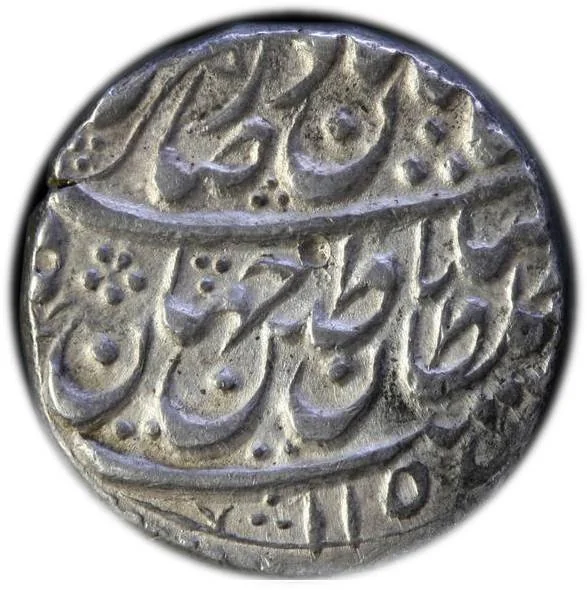
Obverse
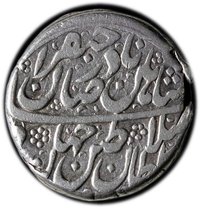
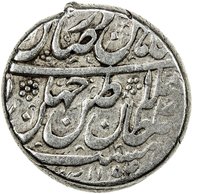
Description:
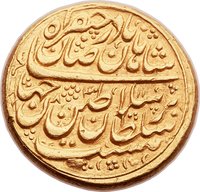
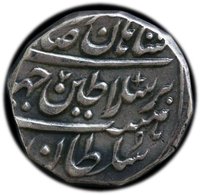
Inscription dated below.
Inscription:
هست سلطان بر سلاطین جهان
شاه شاهان نادر صاحبقران
۱۱٥٧
شاه شاهان نادر صاحبقران
۱۱٥٧
Script: Persian
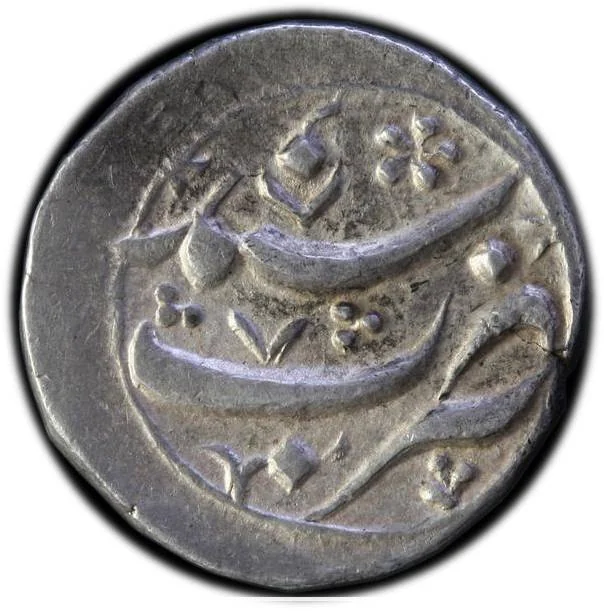
Reverse
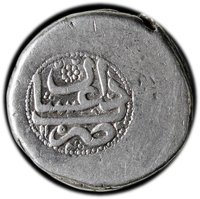
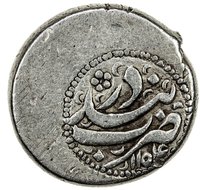
Description:
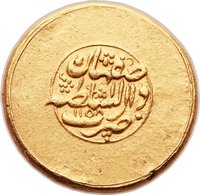
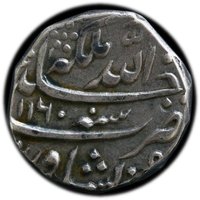
Zarb Sind (Sind truck)
Inscription:
ضرب سند
Edge
Plain
Mints
| Name | Mark |
|---|---|
| Sindh | سند |
Mintings
| Year | Mint Mark | Mintage | Quality | Collection |
|---|---|---|---|---|
| 1741 | — | — | ||
| 1742 | — | — | ||
| 1743 | — | — | ||
| 1744 | — | — | ||
| 1745 | — | — | ||
| 1747 | — | — |
Historical background
In 1741, Iran was under the rule of Nader Shah Afshar, a military genius whose reign (1736-1747) was defined by constant warfare and profound economic strain. The currency situation was a direct reflection of this turbulent context. The primary circulating coin was the silver abbasi, alongside the toman, a unit of account worth 10,000 dinars or 50 abbasis. However, Nader Shah’s immense military campaigns—including his costly invasion of Mughal India in 1738-39 and ongoing wars with the Ottomans and in Central Asia—created a voracious demand for revenue that destabilized the monetary system.
To finance his armies and centralize power, Nader Shah implemented aggressive fiscal policies that severely debased the currency. He ordered the minting of new coins with reduced silver content, effectively diluting their intrinsic value. This practice, combined with the massive influx of plundered Indian treasure (which included gold and gems more than minted coin), flooded the market with inconsistent currency and caused sharp inflation. The state’s focus on extracting wealth from conquered territories, rather than fostering domestic production and trade, meant the economy could not support the currency's value.
Consequently, the year 1741 fell within a period of growing monetary disorder and popular hardship. While Nader Shah’s treasury was famously full, the common economy suffered from price volatility and a loss of confidence in the coinage. This financial instability eroded public trust and compounded the burdens of heavy taxation, sowing discontent that would contribute to the widespread rebellions and economic collapse that marred the latter part of his reign. The currency situation, therefore, was not an isolated issue but a critical symptom of a state prioritizing conquest over sustainable governance.
To finance his armies and centralize power, Nader Shah implemented aggressive fiscal policies that severely debased the currency. He ordered the minting of new coins with reduced silver content, effectively diluting their intrinsic value. This practice, combined with the massive influx of plundered Indian treasure (which included gold and gems more than minted coin), flooded the market with inconsistent currency and caused sharp inflation. The state’s focus on extracting wealth from conquered territories, rather than fostering domestic production and trade, meant the economy could not support the currency's value.
Consequently, the year 1741 fell within a period of growing monetary disorder and popular hardship. While Nader Shah’s treasury was famously full, the common economy suffered from price volatility and a loss of confidence in the coinage. This financial instability eroded public trust and compounded the burdens of heavy taxation, sowing discontent that would contribute to the widespread rebellions and economic collapse that marred the latter part of his reign. The currency situation, therefore, was not an isolated issue but a critical symptom of a state prioritizing conquest over sustainable governance.
Series: 1741 Iran circulation coins
✨ Legendary