

Mints
| Name | Mark |
|---|---|
| Bogota Mint | SF |
Mintings
Historical background
In the early 18th century, Colombia, then part of the Spanish Viceroyalty of New Granada, operated within a complex and often chaotic monetary system. The official currency was the Spanish colonial real, with eight reales equaling one silver peso, known popularly as the "piece of eight." However, the primary economic reality was a severe and chronic shortage of official coinage. The Spanish Crown, prioritizing the extraction of wealth, mandated that most minted silver and gold from mines like those in Popayán and Antioquia be shipped to Spain, leaving the local economy starved of circulating medium.
This scarcity led to a widespread use of substitute currencies and barter. In everyday transactions, particularly outside major commercial centers, goods such as cacao beans, tobacco, and even cloth were commonly used as mediums of exchange. Furthermore, due to the influx of various European coins through trade and smuggling, a multitude of foreign coins—including Portuguese, French, and English—circulated alongside the official Spanish issues. Their value was not fixed but determined by their weight and precious metal content, leading to a confusing and inefficient market.
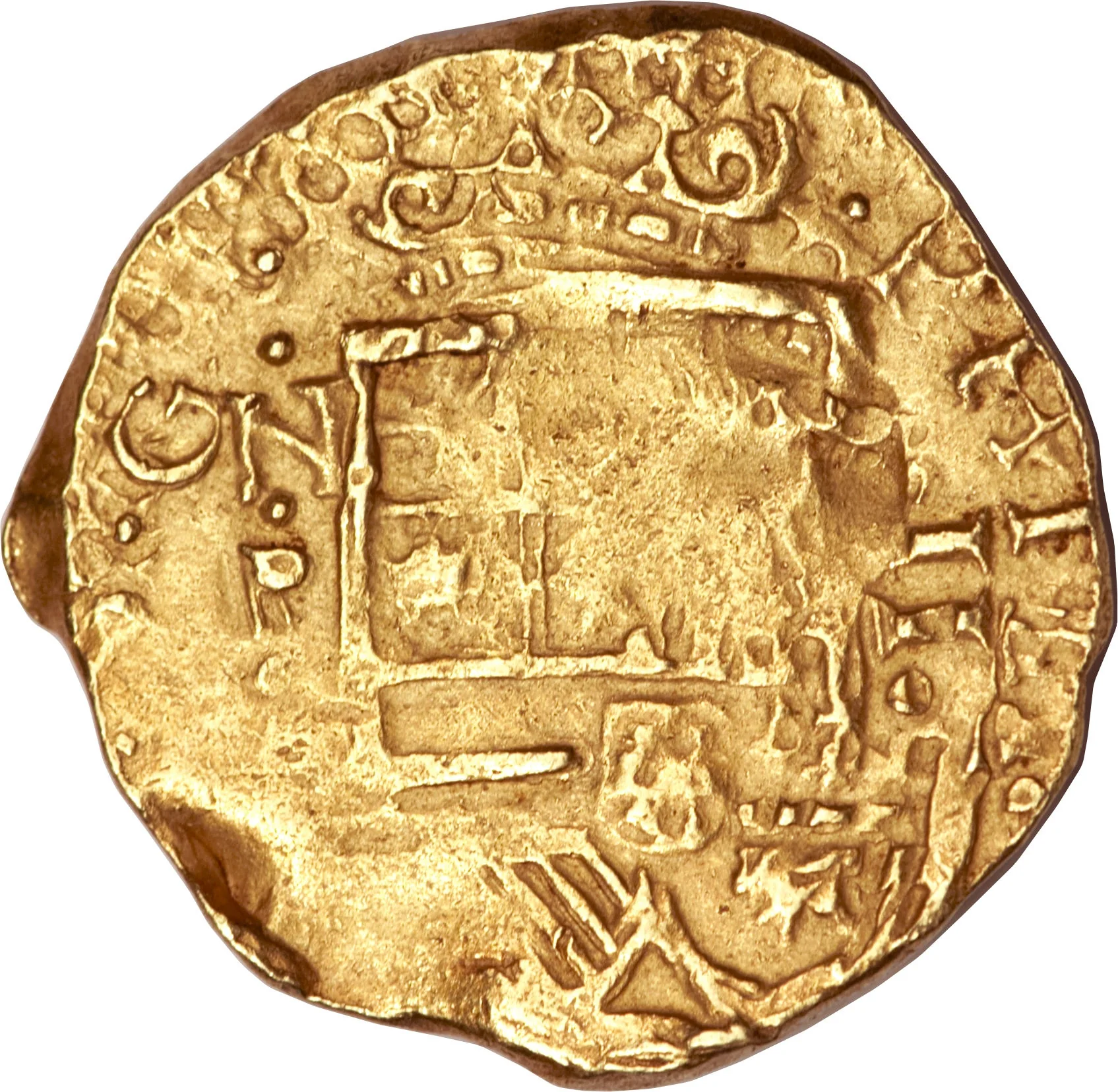
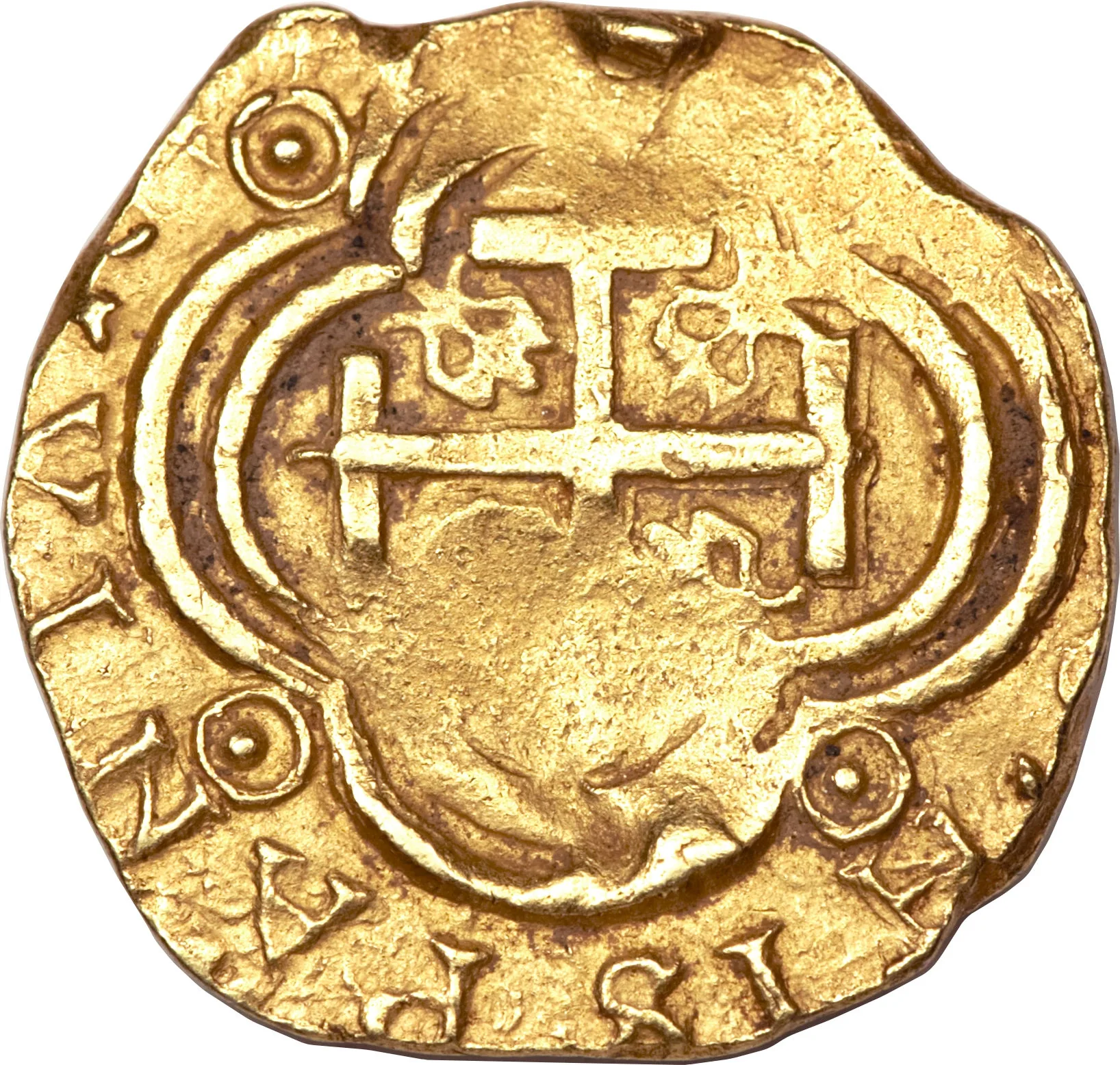
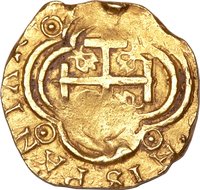
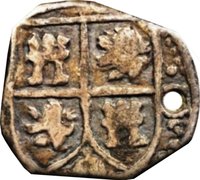
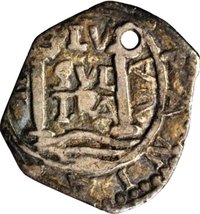
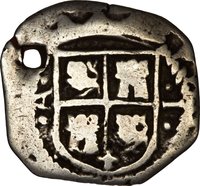
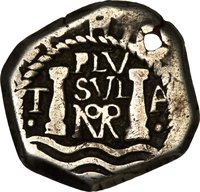
The situation began a slow transformation following the 1732 establishment of the Royal Mint (Casa de la Moneda) in Santa Fe de Bogotá. This was a pivotal attempt by the Spanish Crown to assert control and standardize currency within the viceroyalty. For the first time, gold coins (escudos) and silver coins (reales) were minted locally from New Granadan ore, bearing the mint mark "NR" (Nuevo Reino). While this increased the supply of official coinage and symbolized growing economic identity, it did not fully resolve the currency shortage or immediately displace the entrenched system of barter and heterogeneous coinage that characterized the colonial economy.
This scarcity led to a widespread use of substitute currencies and barter. In everyday transactions, particularly outside major commercial centers, goods such as cacao beans, tobacco, and even cloth were commonly used as mediums of exchange. Furthermore, due to the influx of various European coins through trade and smuggling, a multitude of foreign coins—including Portuguese, French, and English—circulated alongside the official Spanish issues. Their value was not fixed but determined by their weight and precious metal content, leading to a confusing and inefficient market.
The situation began a slow transformation following the 1732 establishment of the Royal Mint (Casa de la Moneda) in Santa Fe de Bogotá. This was a pivotal attempt by the Spanish Crown to assert control and standardize currency within the viceroyalty. For the first time, gold coins (escudos) and silver coins (reales) were minted locally from New Granadan ore, bearing the mint mark "NR" (Nuevo Reino). While this increased the supply of official coinage and symbolized growing economic identity, it did not fully resolve the currency shortage or immediately displace the entrenched system of barter and heterogeneous coinage that characterized the colonial economy.
✨ Legendary