

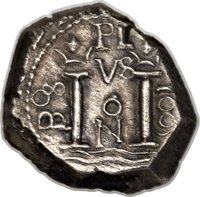
Categories
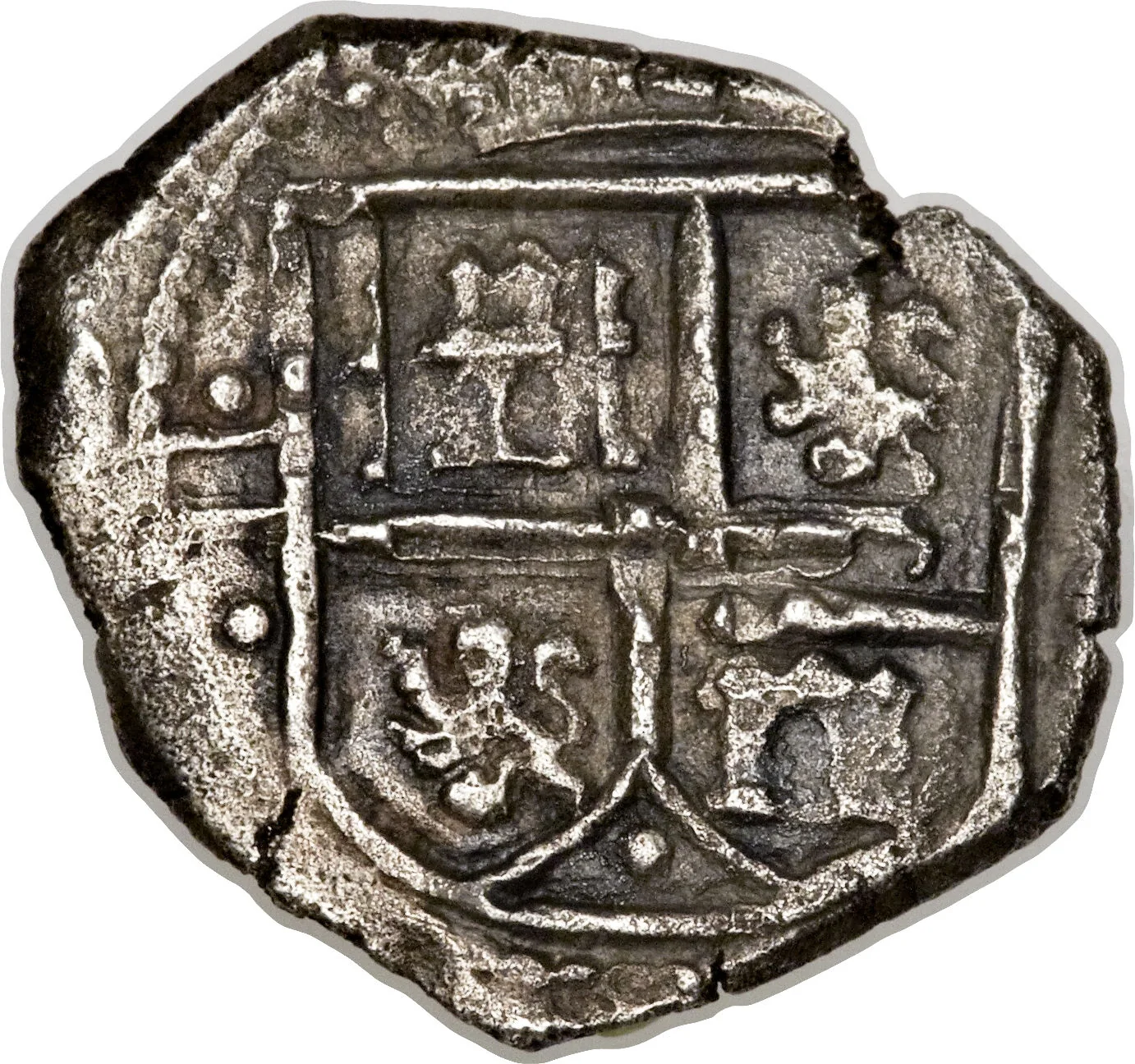
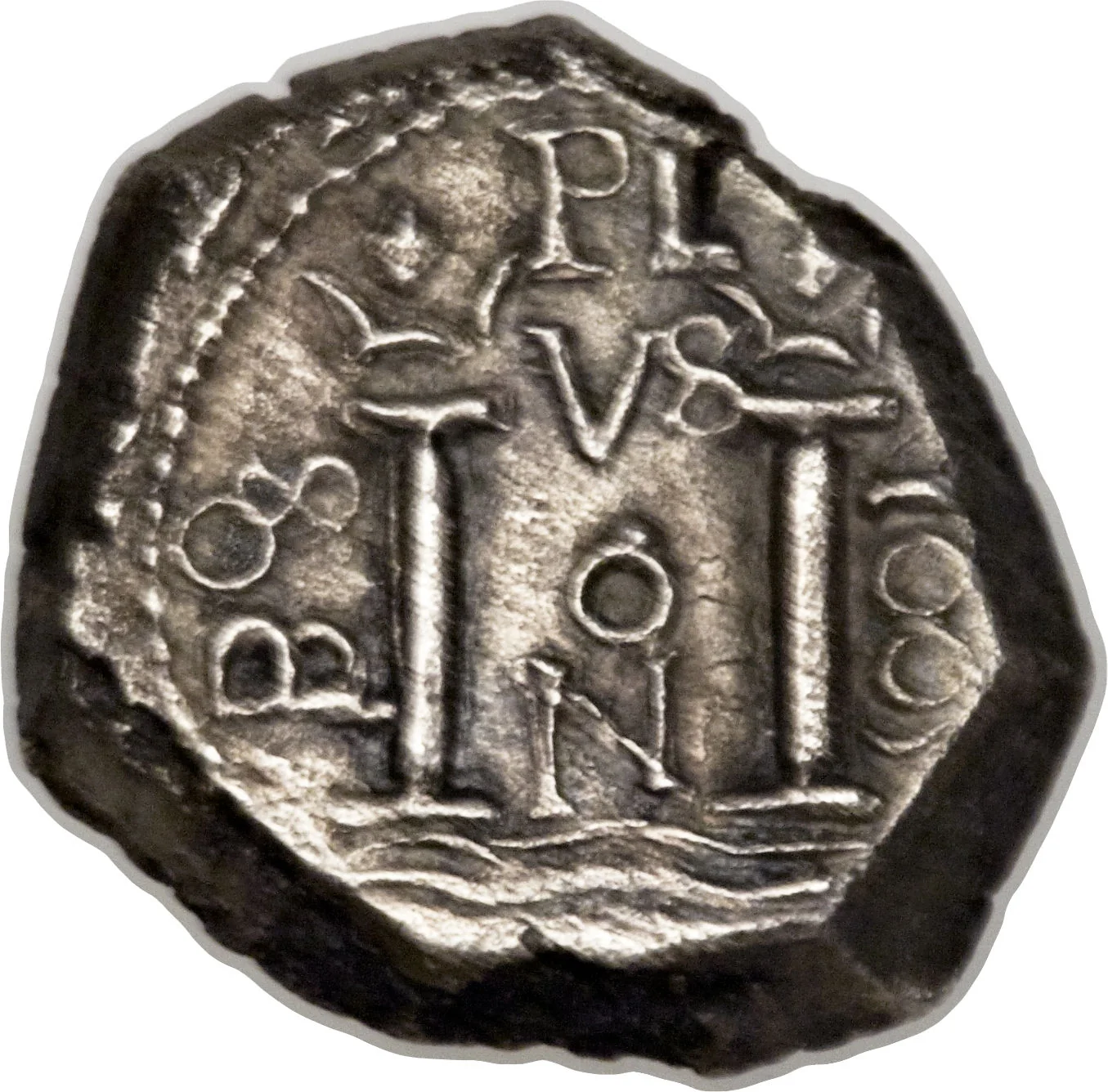
| Animal> Feline |
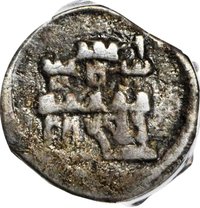
| Building> Castle or fortification |
| Symbols> Coat of Arms |
Mints
| Name | Mark |
|---|---|
| Bogota Mint | (No) |
Mintings
| Year | Mint Mark | Mintage | Quality | Collection |
|---|---|---|---|---|
| 1627 | P | — | ||
| 1628 | P | — | ||
| 1629 | P | — | ||
| — | A | — | ||
| 1647 | R | — | ||
| 1652 | R | — | ||
| 1659 | POR | — | ||
| 1662 | POR | — | ||
| 1664 | POR | — | ||
| 1665 | C | — | ||
| 1665 | POS | — |
Historical background
In 1627, the currency situation in the Kingdom of New Granada (modern-day Colombia) was characterized by severe scarcity and administrative chaos. The Spanish Crown, operating under a mercantilist system, strictly controlled the flow of precious metals, but the legal supply of coined money from the mints in Mexico City and Potosí was insufficient for the local economy. This scarcity was exacerbated by the Crown's policy of extracting vast quantities of silver and gold from its American colonies, much of which was shipped directly to Spain to finance European wars, leaving the local viceroyalty chronically short of official circulating medium.
The primary unit of account was the silver real and the gold escudo, but the daily reality was a confusing mix of physical coins, often cut or clipped to make change, alongside a wide variety of unofficial substitutes. To facilitate trade, merchants and citizens relied heavily on tlacos (token credit chips issued by merchants), cacao beans (used in small transactions, a practice inherited from indigenous economies), and even rough-cut pieces of silver known as tepusques. The most significant and problematic currency, however, was the widespread use of counterfeit and debased coins, particularly low-quality silver reales smuggled in from other colonies or produced illicitly, which eroded trust in every transaction.
This monetary disorder presented a significant challenge to the colonial authorities in Santa Fe de Bogotá. The lack of a reliable, standardized currency stifled commerce, complicated tax collection for the Royal Treasury, and fostered constant fraud. While there were ongoing discussions about establishing a local mint to solve these problems, it would not be realized until the founding of the Casa de la Moneda in Bogotá in 1627, a pivotal but initially slow-moving response. Therefore, the year 1627 stands at a point of crisis and transition, marked by a dysfunctional monetary landscape that the nascent mint was intended, but would take decades, to properly rectify.
The primary unit of account was the silver real and the gold escudo, but the daily reality was a confusing mix of physical coins, often cut or clipped to make change, alongside a wide variety of unofficial substitutes. To facilitate trade, merchants and citizens relied heavily on tlacos (token credit chips issued by merchants), cacao beans (used in small transactions, a practice inherited from indigenous economies), and even rough-cut pieces of silver known as tepusques. The most significant and problematic currency, however, was the widespread use of counterfeit and debased coins, particularly low-quality silver reales smuggled in from other colonies or produced illicitly, which eroded trust in every transaction.
This monetary disorder presented a significant challenge to the colonial authorities in Santa Fe de Bogotá. The lack of a reliable, standardized currency stifled commerce, complicated tax collection for the Royal Treasury, and fostered constant fraud. While there were ongoing discussions about establishing a local mint to solve these problems, it would not be realized until the founding of the Casa de la Moneda in Bogotá in 1627, a pivotal but initially slow-moving response. Therefore, the year 1627 stands at a point of crisis and transition, marked by a dysfunctional monetary landscape that the nascent mint was intended, but would take decades, to properly rectify.
✨ Legendary