

¼ Real – Colombia
Colombia
Material
Diameter: 8 mm
Weight: 0.86 g
Silver weight: 0.80 g
Shape: Irregular round
Composition: 93.1% Silver
Magnetic: No
Technique: Hammered
Alignment: Medal alignment
flip
References
KM: #Click to copy to clipboardA7
Numista: #61428
Value
Bullion value: $2.32
Obverse
Description:
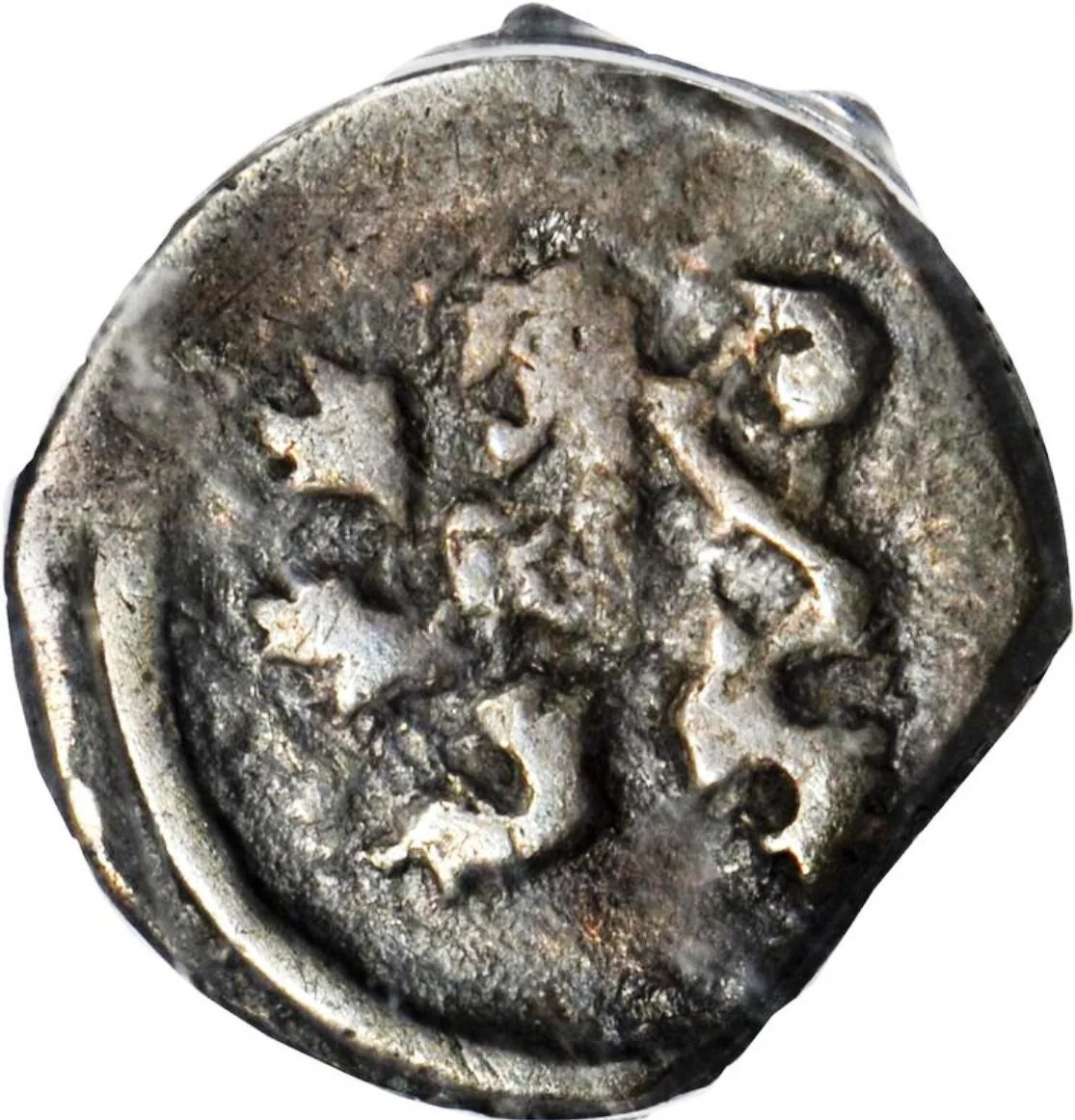
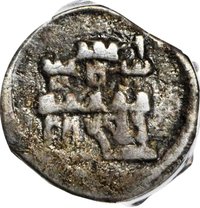
Left-facing lion.
Reverse
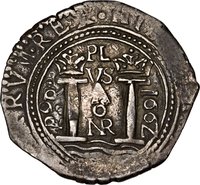
Description:
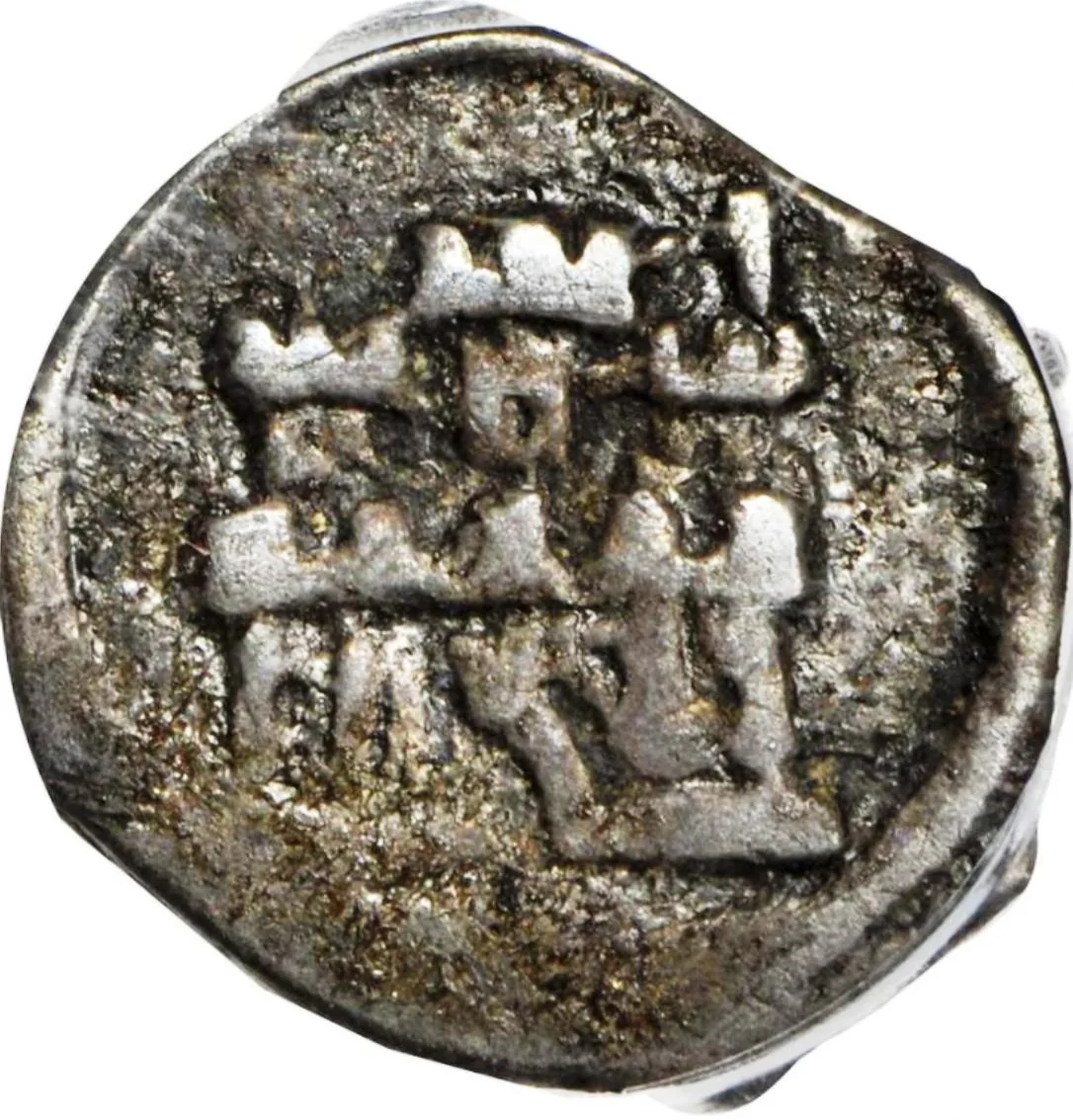
Fortress.
Edge
Categories
| Animal> Feline |
| Building> Castle or fortification |
Mintings
| Year | Mint Mark | Mintage | Quality | Collection |
|---|---|---|---|---|
| — | — | — |
Historical background
In 1642, the currency situation in the Kingdom of New Granada (modern-day Colombia) was characterized by severe scarcity and administrative confusion, a direct legacy of Spain's restrictive mercantilist policies. The Spanish Crown maintained a closed trading system, funneling silver and gold from American mines, like those in Potosí and New Granada itself, directly to Spain via the fleets to Seville or Cádiz. This system deliberately limited the circulation of precious metal coinage within the colony to prevent wealth from accumulating locally and to control the economy. Consequently, the primary legal tender, silver reales and gold escudos, were chronically in short supply for everyday internal trade and taxation.
The scarcity of official coinage led to the widespread and tolerated use of substitute currencies, creating a complex monetary environment. The most common was moneda macuquina—crudely cut and hammered coins minted in local Spanish American mints, which circulated at a discounted value compared to perfectly minted "pillar" coinage. More informally, cacao beans, used by indigenous peoples for centuries, continued as a de facto currency for small transactions, especially in more remote regions. This multi-currency system was fraught with problems: fluctuating values, frequent counterfeiting of macuquina, and the inherent perishability of cacao, all of which hampered commerce and created uncertainty.
This monetary instability occurred against a backdrop of broader imperial strain. By 1642, Spain was deeply embroiled in the Thirty Years' War and facing economic decline, increasing its demands on colonial silver shipments. Furthermore, the year fell within a period of weakened transatlantic trade, as the Spanish treasure fleets were irregular due to war and piracy, exacerbating the colony's liquidity crisis. Thus, the currency situation was not merely a local inconvenience but a symptom of the systemic flaws in the Habsburg colonial model, where the colony's economic needs were perpetually subordinated to the metropole's fiscal and military emergencies.
The scarcity of official coinage led to the widespread and tolerated use of substitute currencies, creating a complex monetary environment. The most common was moneda macuquina—crudely cut and hammered coins minted in local Spanish American mints, which circulated at a discounted value compared to perfectly minted "pillar" coinage. More informally, cacao beans, used by indigenous peoples for centuries, continued as a de facto currency for small transactions, especially in more remote regions. This multi-currency system was fraught with problems: fluctuating values, frequent counterfeiting of macuquina, and the inherent perishability of cacao, all of which hampered commerce and created uncertainty.
This monetary instability occurred against a backdrop of broader imperial strain. By 1642, Spain was deeply embroiled in the Thirty Years' War and facing economic decline, increasing its demands on colonial silver shipments. Furthermore, the year fell within a period of weakened transatlantic trade, as the Spanish treasure fleets were irregular due to war and piracy, exacerbating the colony's liquidity crisis. Thus, the currency situation was not merely a local inconvenience but a symptom of the systemic flaws in the Habsburg colonial model, where the colony's economic needs were perpetually subordinated to the metropole's fiscal and military emergencies.
✨ Legendary