

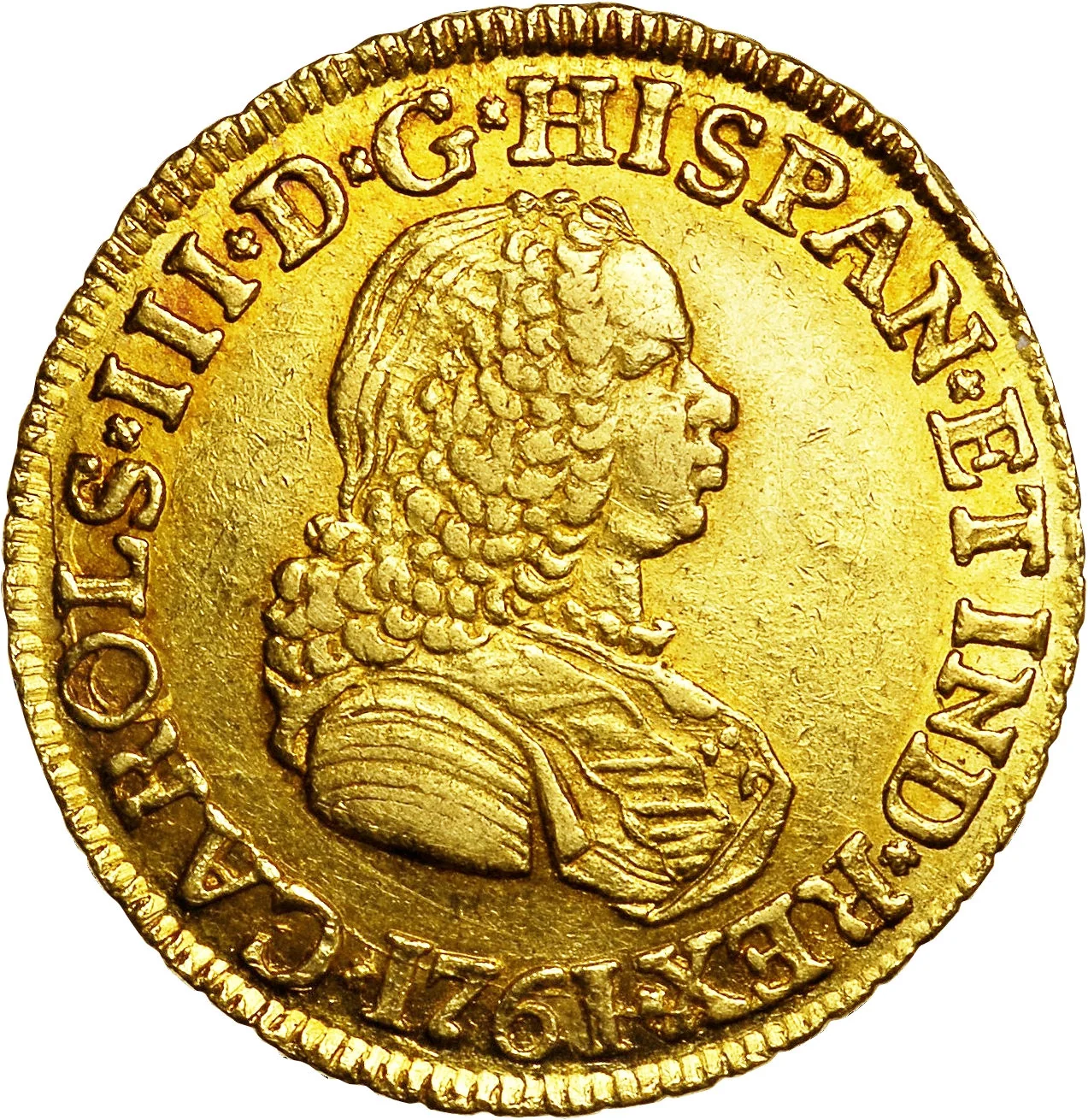
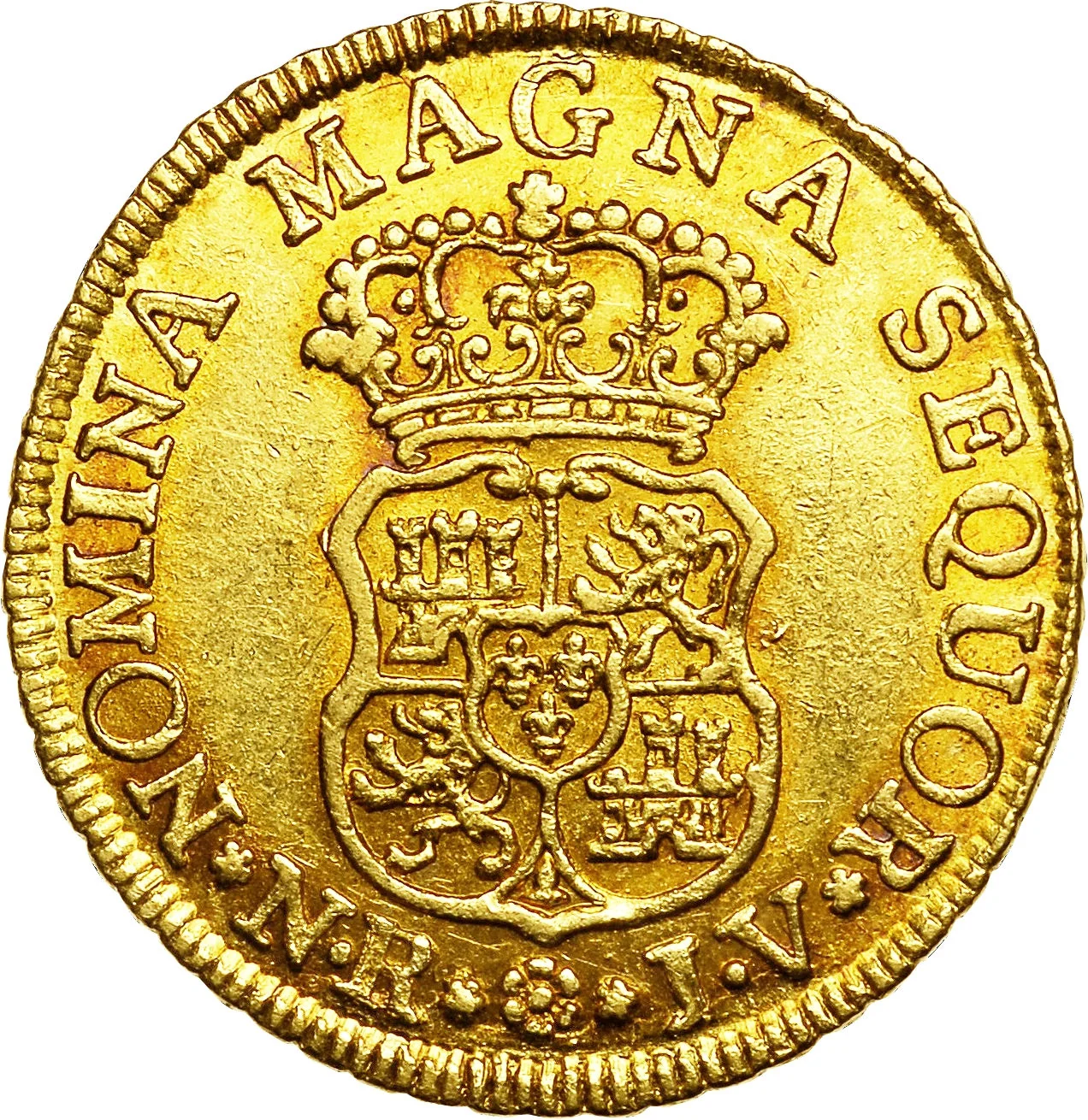
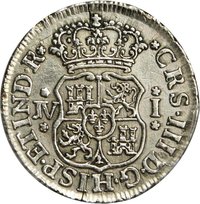
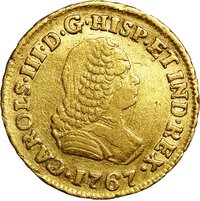
Obverse
Description:
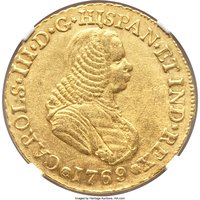
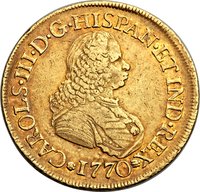
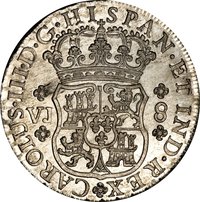
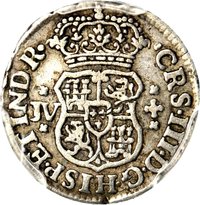
Bust of Fernando VI with legend. Date beneath.
Inscription:
CAROLS III D G HISPAN ET IND REX
1761
1761
Script: Latin
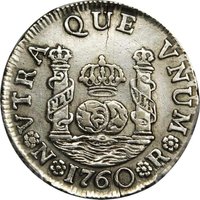
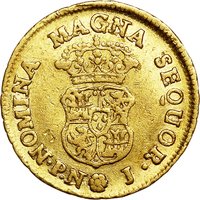
Reverse
Edge
Categories
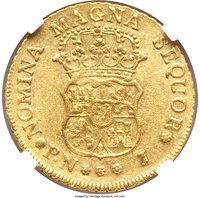
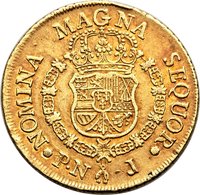
| Symbols> Coat of Arms |
| Person> Monarch |
Mints
| Name | Mark |
|---|---|
| Bogota Mint | NR |
| Casa de Moneda de Colombia | PN |
Mintings
Historical background
In 1760, the currency situation in the Viceroyalty of New Granada (modern-day Colombia, Ecuador, Panama, and Venezuela) was characterized by severe scarcity and complexity. The Spanish Crown maintained a strict mercantilist policy, aiming to keep precious metals within the empire. While gold was mined extensively in regions like Antioquia and the Chocó, much of it was required to be sent to the royal mint in Bogotá and then often exported to Spain as bullion or coin to fill the Crown's coffers. This, combined with a restrictive trade system that limited commerce primarily to Spain, resulted in a chronic shortage of circulating coinage for everyday transactions in the colony.
The economy relied on a patchwork of monetary instruments to function. Alongside the limited official Spanish gold escudos and silver reales, a wide variety of unofficial and often debased coins circulated. These included macuquinas (crudely hammered coins), and significant amounts of contraband foreign coins from other European empires, particularly through illicit trade with British and Dutch territories. To facilitate local trade, especially for smaller purchases, goods like cacao beans were still used as a de facto commodity currency in some areas, a practice inherited from indigenous and early colonial systems.
This monetary confusion created significant economic inefficiencies and opportunities for fraud. The lack of standardized, trustworthy small-denomination coinage hindered commerce and taxation. Recognizing these problems, the Spanish Crown was on the verge of implementing major reforms. In 1759, Charles III had ascended to the throne, and his reign would soon usher in the Bourbon Reforms, which included plans to modernize colonial mints. Just a few years after 1760, the Bogotá mint would begin producing new, machine-struck columnario coins, aiming to standardize the currency and assert greater royal control, though scarcity and contraband would remain persistent challenges.
The economy relied on a patchwork of monetary instruments to function. Alongside the limited official Spanish gold escudos and silver reales, a wide variety of unofficial and often debased coins circulated. These included macuquinas (crudely hammered coins), and significant amounts of contraband foreign coins from other European empires, particularly through illicit trade with British and Dutch territories. To facilitate local trade, especially for smaller purchases, goods like cacao beans were still used as a de facto commodity currency in some areas, a practice inherited from indigenous and early colonial systems.
This monetary confusion created significant economic inefficiencies and opportunities for fraud. The lack of standardized, trustworthy small-denomination coinage hindered commerce and taxation. Recognizing these problems, the Spanish Crown was on the verge of implementing major reforms. In 1759, Charles III had ascended to the throne, and his reign would soon usher in the Bourbon Reforms, which included plans to modernize colonial mints. Just a few years after 1760, the Bogotá mint would begin producing new, machine-struck columnario coins, aiming to standardize the currency and assert greater royal control, though scarcity and contraband would remain persistent challenges.
Series: 1760 Colombia circulation coins
💎 Extremely Rare