

1 speciedaler (Frederik IV visit in Norway) – Norway
Add to wishlist
Circulating commemorative coins
Commemoration: Frederik IV visit in Norway, 1749 and 300th Anniversary of the Reign of the House of Oldenburg
Norway
Context
Year: 1749
Issuer: Norway
Ruler: Frederick V
Currency:
(1746—1814)
Demonetization: 27 May 1873
Total mintage: 5,008
Material
References
KM: #
Numista: #61154
Value
Bullion value: $60.32
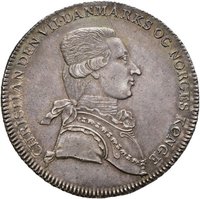
Obverse
Description:
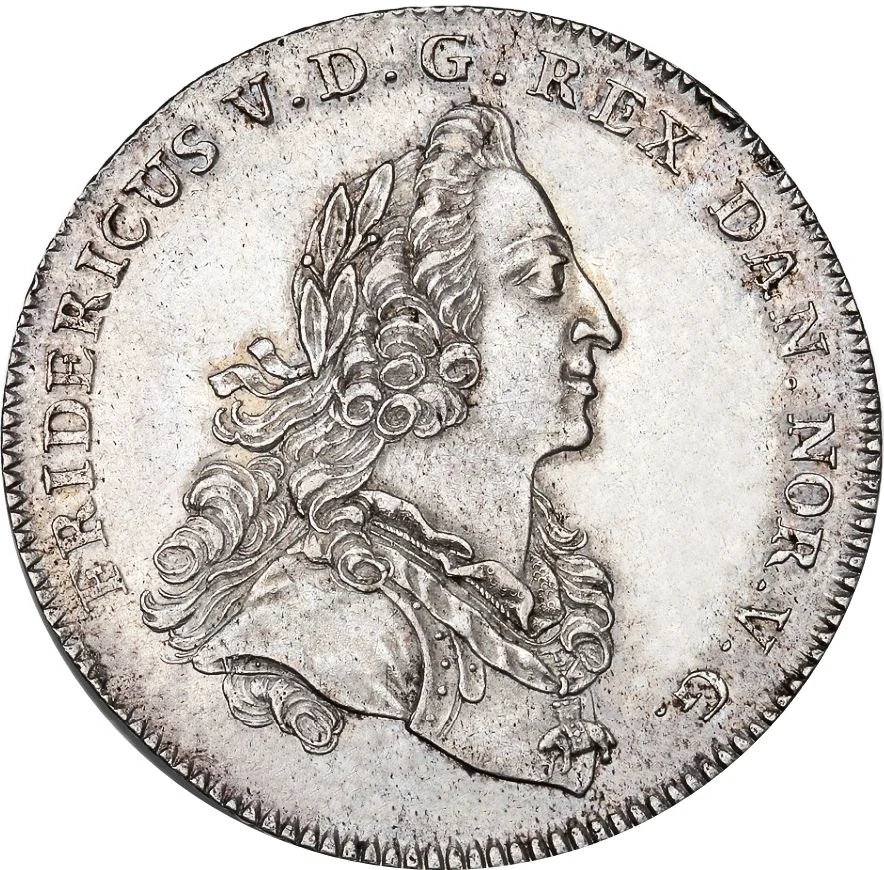
Armored bust right with Order of the Elephant pendant. Mint master's initials on elbow.
Inscription:
FRIDERICUS • V • D • G • REX • DAN • NOR • V • G •
W.
W.
Script: Latin
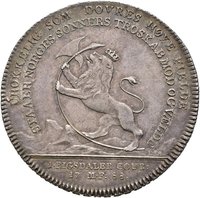
Reverse
Description:
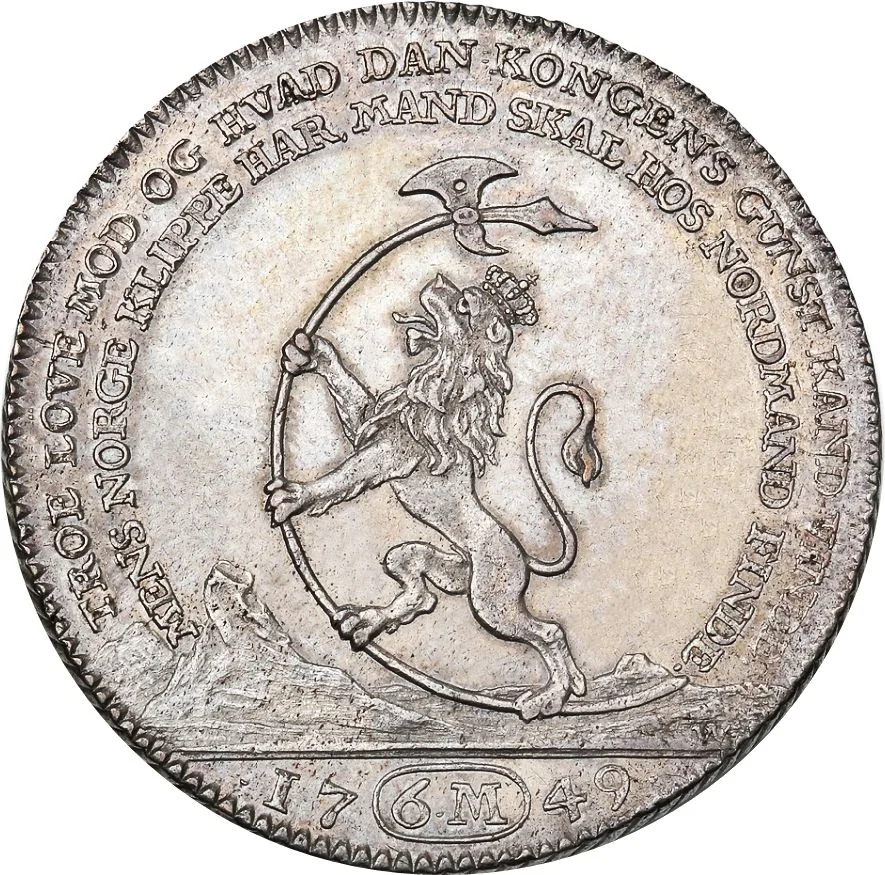
A crowned lion stands on rocks, holding a large curved axe to the right. The date encircles the value in the exergue below.
Inscription:
TROE LOVE MOD OG HVAD DAN KONGENS GUNST KAND VINDE
MENS NORGE KLIPPE HAR MAND SKAL HOS NORDMAND FINDE.
W
17 (6M) 49
MENS NORGE KLIPPE HAR MAND SKAL HOS NORDMAND FINDE.
W
17 (6M) 49
Script: Latin
Edge
Diagonal milling
Categories
| Object> Cold weapons |
| Animal> Feline |
Mints
| Name | Mark |
|---|---|
| Royal Danish Mint | — |
Mintings
| Year | Mint Mark | Mintage | Quality | Collection |
|---|---|---|---|---|
| 1749 | PCW | 5,008 | ||
| 1749 | W | — |
Historical background
In 1749, Norway found itself in a complex monetary situation, still deeply entangled with Denmark due to the Dano-Norwegian union. The kingdom did not issue its own independent coins; the currency in circulation was a mixture of Danish species (silver coins like the riksdaler and skilling) and a substantial amount of foreign coinage, particularly from the German states and the Netherlands, brought in through trade. This created a chaotic and unreliable system where the actual metallic value of coins often differed from their official face value, leading to confusion and facilitating fraud.
The year itself was significant as it followed the disastrous introduction of the justert mynt (adjusted coinage) system in 1748. This reform, decreed by the Danish crown, attempted to standardize the relationship between the silver riksdaler and the subsidiary skilling by drastically reducing the silver content of the smaller coins. The public, fearing a loss of wealth, reacted with immediate distrust and hoarding of older, purer coins (the kurantmynt), causing the new debased currency to plummet in value. By 1749, the monetary system was in disarray, with two parallel and fluctuating values for the same nominal coins, severely disrupting trade and daily transactions.
Consequently, 1749 was a year of crisis and recalibration. The state was forced to acknowledge the failure of the 1748 reform. Efforts were made to stabilize the situation, including setting official exchange rates between the old and new coinage in an attempt to restore public confidence. This period underscored the fundamental challenges of a bimetallic system and the economic vulnerabilities of a union where monetary policy was dictated from Copenhagen, often without full consideration of Norwegian conditions, setting the stage for future reforms later in the century.
The year itself was significant as it followed the disastrous introduction of the justert mynt (adjusted coinage) system in 1748. This reform, decreed by the Danish crown, attempted to standardize the relationship between the silver riksdaler and the subsidiary skilling by drastically reducing the silver content of the smaller coins. The public, fearing a loss of wealth, reacted with immediate distrust and hoarding of older, purer coins (the kurantmynt), causing the new debased currency to plummet in value. By 1749, the monetary system was in disarray, with two parallel and fluctuating values for the same nominal coins, severely disrupting trade and daily transactions.
Consequently, 1749 was a year of crisis and recalibration. The state was forced to acknowledge the failure of the 1748 reform. Efforts were made to stabilize the situation, including setting official exchange rates between the old and new coinage in an attempt to restore public confidence. This period underscored the fundamental challenges of a bimetallic system and the economic vulnerabilities of a union where monetary policy was dictated from Copenhagen, often without full consideration of Norwegian conditions, setting the stage for future reforms later in the century.
✨ Legendary