

4 Shahi – Iran
Iran
Context

Material
Diameter: 23.5 mm
Weight: 5.42 g
Silver weight: 5.42 g
Shape: Irregular round
Composition: Silver
Magnetic: No
Technique: Hammered
Alignment: Coin alignment
flip
References
KM: #Click to copy to clipboard282.1x
Numista: #61047
Value
Bullion value: $15.63
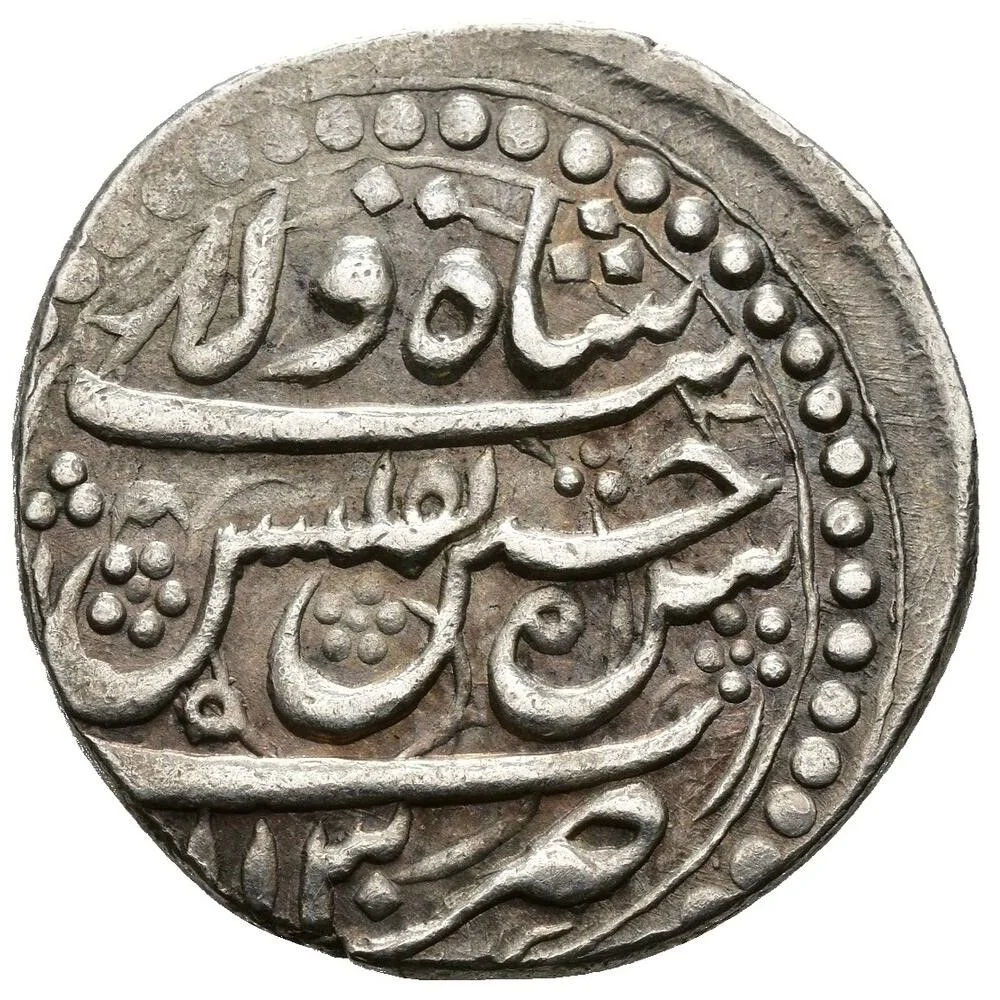
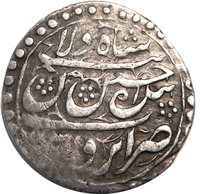
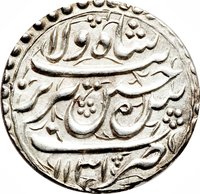
Obverse
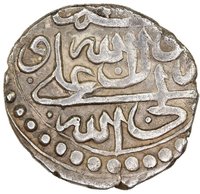
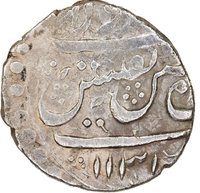
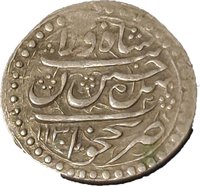
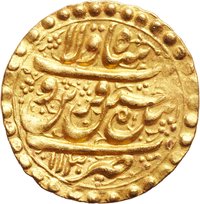
Description:
Royal mint inscription with date.
Inscription:
بنده شاه ولایت حسین
ضرب تفلیس
۱۱۳۰
ضرب تفلیس
۱۱۳۰
Script: Persian
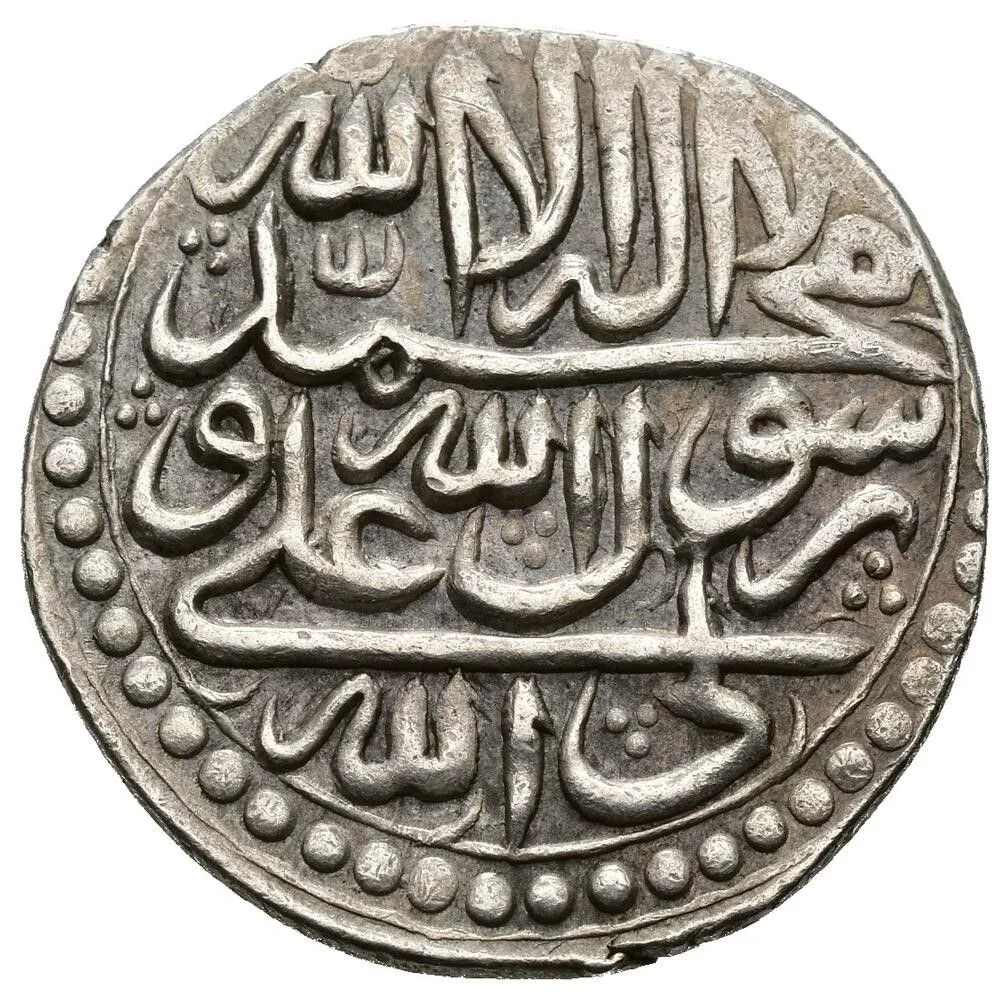
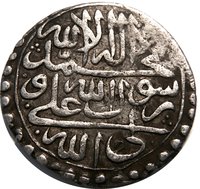
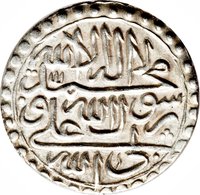
Reverse
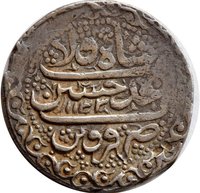
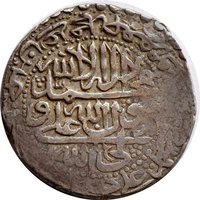
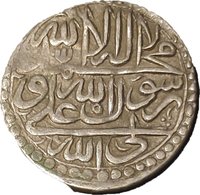
Description:
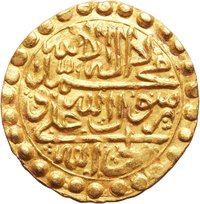
No god but Allah, Muhammad is His messenger, Ali is His friend.
Inscription:
لا اله الا الله/محمّد رسول الله/علی ولی الله
Script: Persian
Edge
Plain
Mints
| Name | Mark |
|---|---|
| Tiflis | تفلیس |
Mintings
| Year | Mint Mark | Mintage | Quality | Collection |
|---|---|---|---|---|
| 1718 | — | — | ||
| 1719 | — | — | ||
| 1720 | — | — | ||
| 1721 | — | — | ||
| 1722 | — | — |
Historical background
In 1718, Iran's currency system was in a state of severe crisis, a direct consequence of the political and military turmoil that had engulfed the Safavid Empire in its final decades. The reign of Sultan Husayn (1694-1722) was marked by weak central authority, provincial rebellions, and a looming threat from Afghan tribes. To finance his lavish court and military campaigns, the Shah resorted to the disastrous practice of debasing the silver coinage, the primary currency. The silver abbasi and mahmudi coins were systematically minted with progressively lower silver content, while their face value was artificially maintained.
This rampant debasement triggered a classic economic breakdown: Gresham's Law, where "bad money drives out good money." Full-weight silver coins were hoarded, melted down, or exported, leaving only the inferior currency in circulation. The result was rampant inflation, a collapse in public trust in the monetary system, and severe disruption to both domestic trade and international commerce. Merchants and the urban population faced soaring prices for basic goods, while the state's own revenues, collected in the debased currency, plummeted in real value, creating a vicious cycle of fiscal weakness.
The currency chaos of 1718 was therefore a critical symptom of the Safavid state's terminal decline. It eroded economic stability just three years before the Afghan invasion that would topple Isfahan in 1722. The monetary disorder not only impoverished the populace but also crippled the government's ability to pay and supply its armies, directly contributing to the empire's vulnerability and impending collapse.
This rampant debasement triggered a classic economic breakdown: Gresham's Law, where "bad money drives out good money." Full-weight silver coins were hoarded, melted down, or exported, leaving only the inferior currency in circulation. The result was rampant inflation, a collapse in public trust in the monetary system, and severe disruption to both domestic trade and international commerce. Merchants and the urban population faced soaring prices for basic goods, while the state's own revenues, collected in the debased currency, plummeted in real value, creating a vicious cycle of fiscal weakness.
The currency chaos of 1718 was therefore a critical symptom of the Safavid state's terminal decline. It eroded economic stability just three years before the Afghan invasion that would topple Isfahan in 1722. The monetary disorder not only impoverished the populace but also crippled the government's ability to pay and supply its armies, directly contributing to the empire's vulnerability and impending collapse.
Series: 1718 Iran circulation coins
💎 Extremely Rare