

1 Rupee – Awadh
India
Context
Years: 1761–1774
Country: India 
Issuer: Awadh
Ruler: Shah Alam II
Currency:
(1605—1857)
Demonetized: Yes
Material
References
KM: #Click to copy to clipboard36.2
Numista: #60114
Value
Bullion value: $32.24
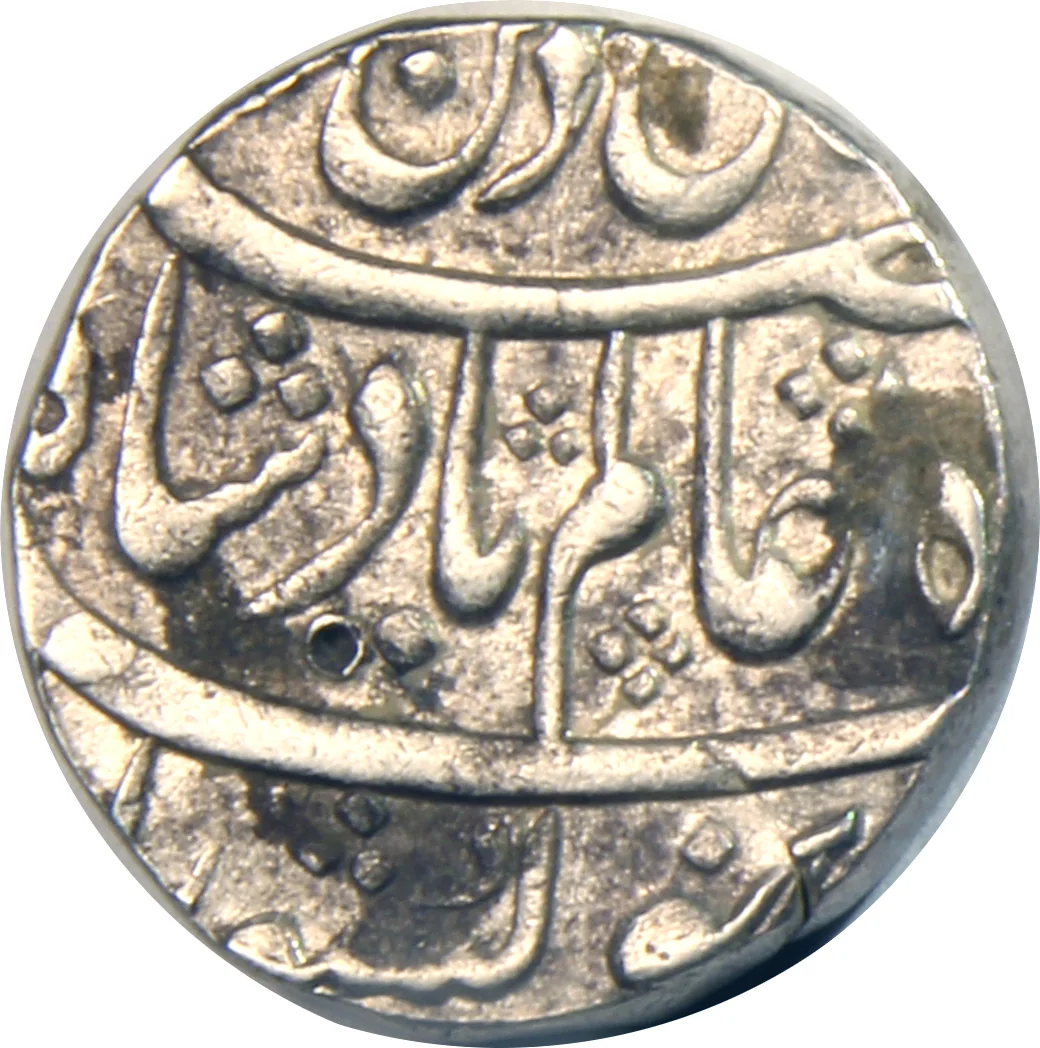
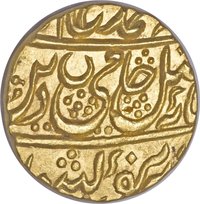
Obverse
Inscription:
Shah Alam Badshah
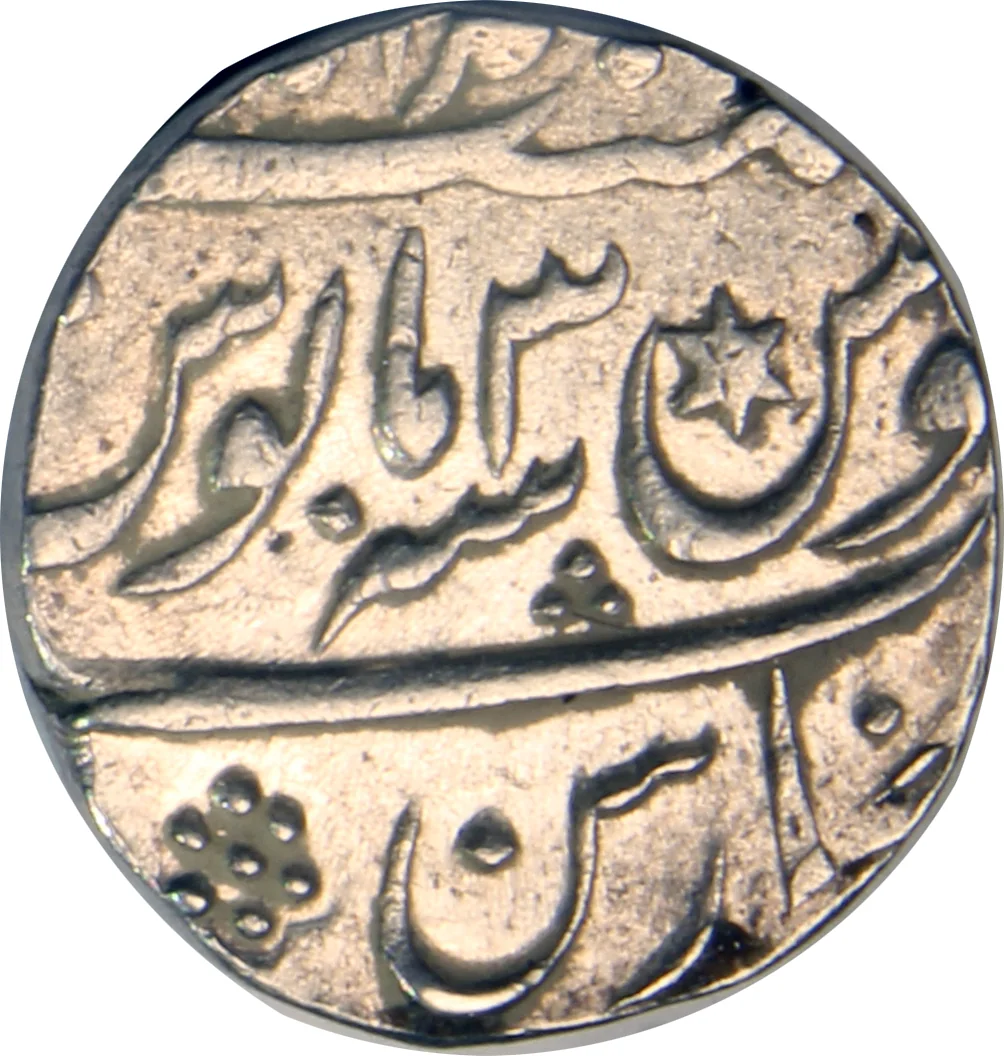
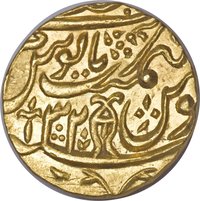
Reverse
Description:
Symbols
Inscription:
RY 3
Edge
Mints
| Name | Mark |
|---|---|
| Varanasi | — |
Mintings
| Year | Mint Mark | Mintage | Quality | Collection |
|---|---|---|---|---|
| 1761 | — | — | ||
| 1762 | — | — | ||
| 1763 | — | — | ||
| 1764 | — | — | ||
| 1765 | — | — | ||
| 1766 | — | — | ||
| 1767 | — | — | ||
| 1768 | — | — | ||
| 1769 | — | — | ||
| 1770 | — | — | ||
| 1771 | — | — | ||
| 1772 | — | — | ||
| 1773 | — | — | ||
| 1773 | — | — | ||
| 1774 | — | — |
Historical background
In 1761, the currency situation in Awadh was characterized by a complex and fragmented monetary system, reflecting the region's political transition. Following the Battle of Buxar (1764), the Nawab of Awadh, Shuja-ud-Daula, became a key ally of the British East India Company, but in 1761 he was still consolidating his power after the Third Battle of Panipat. The region's economy was underpinned by the widespread use of the silver rupee, primarily the "Sicca" rupee freshly minted in local mints, alongside older, worn rupees that circulated at a discount. These coins competed with Mughal issues and rupees from other regional powers like Bengal, leading to variability in value and frequent disputes in trade.
The monetary landscape was further complicated by the circulation of copper dam and paisa for smaller, everyday transactions, with their exchange rates against the silver rupee fluctuating based on local supply and demand. Furthermore, the absence of a uniform, centralized currency system meant that foreign coins, including Spanish silver dollars (pieces of eight) from global trade networks, also found their way into the markets of Lucknow and Faizabad. This heterogeneity created significant challenges for merchants, tax collectors, and the state treasury (khazana), requiring constant assessment and valuation of coin weights and purity.
This period marked the beginning of significant change. While full British political control was still decades away, the economic and fiscal pressures following Panipat, combined with the growing influence of the East India Company, were starting to strain Awadh's traditional financial structures. The Nawab's administration grappled with revenue collection in a mixed-currency environment, a problem that would later be used by the Company to justify greater intervention in Awadh's fiscal affairs, ultimately leading towards a more standardized colonial monetary system.
The monetary landscape was further complicated by the circulation of copper dam and paisa for smaller, everyday transactions, with their exchange rates against the silver rupee fluctuating based on local supply and demand. Furthermore, the absence of a uniform, centralized currency system meant that foreign coins, including Spanish silver dollars (pieces of eight) from global trade networks, also found their way into the markets of Lucknow and Faizabad. This heterogeneity created significant challenges for merchants, tax collectors, and the state treasury (khazana), requiring constant assessment and valuation of coin weights and purity.
This period marked the beginning of significant change. While full British political control was still decades away, the economic and fiscal pressures following Panipat, combined with the growing influence of the East India Company, were starting to strain Awadh's traditional financial structures. The Nawab's administration grappled with revenue collection in a mixed-currency environment, a problem that would later be used by the Company to justify greater intervention in Awadh's fiscal affairs, ultimately leading towards a more standardized colonial monetary system.
✨ Legendary