

12 Mariengroschen – Brunswick-Lüneburg-Calenberg
Germany
Context
Years: 1668–1673
Country: Germany 
Issuer: Brunswick-Lüneburg-Calenberg
Ruler: John Frederick
Currency:
Demonetized: Yes
Material
References
KM: #Click to copy to clipboard123
Numista: #58800
Value
Bullion value: $20.92
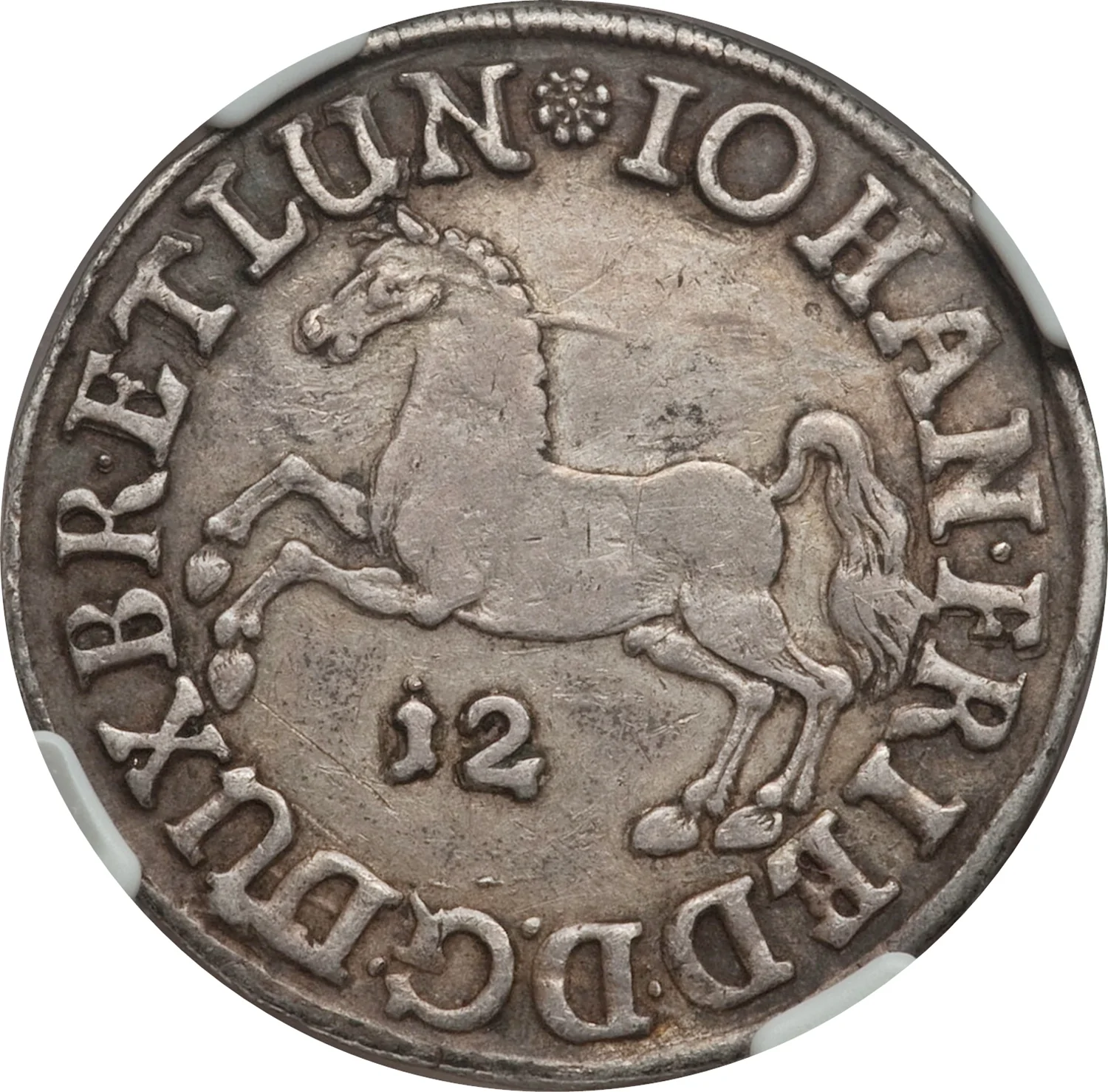
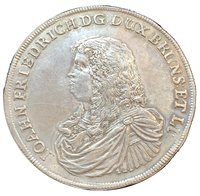
Obverse
Description:
Leaping horse, encircled by legend.
Inscription:
IOHAN.FRIED.D.G.DUXBR.ETLUN*
12
12
Script: Latin
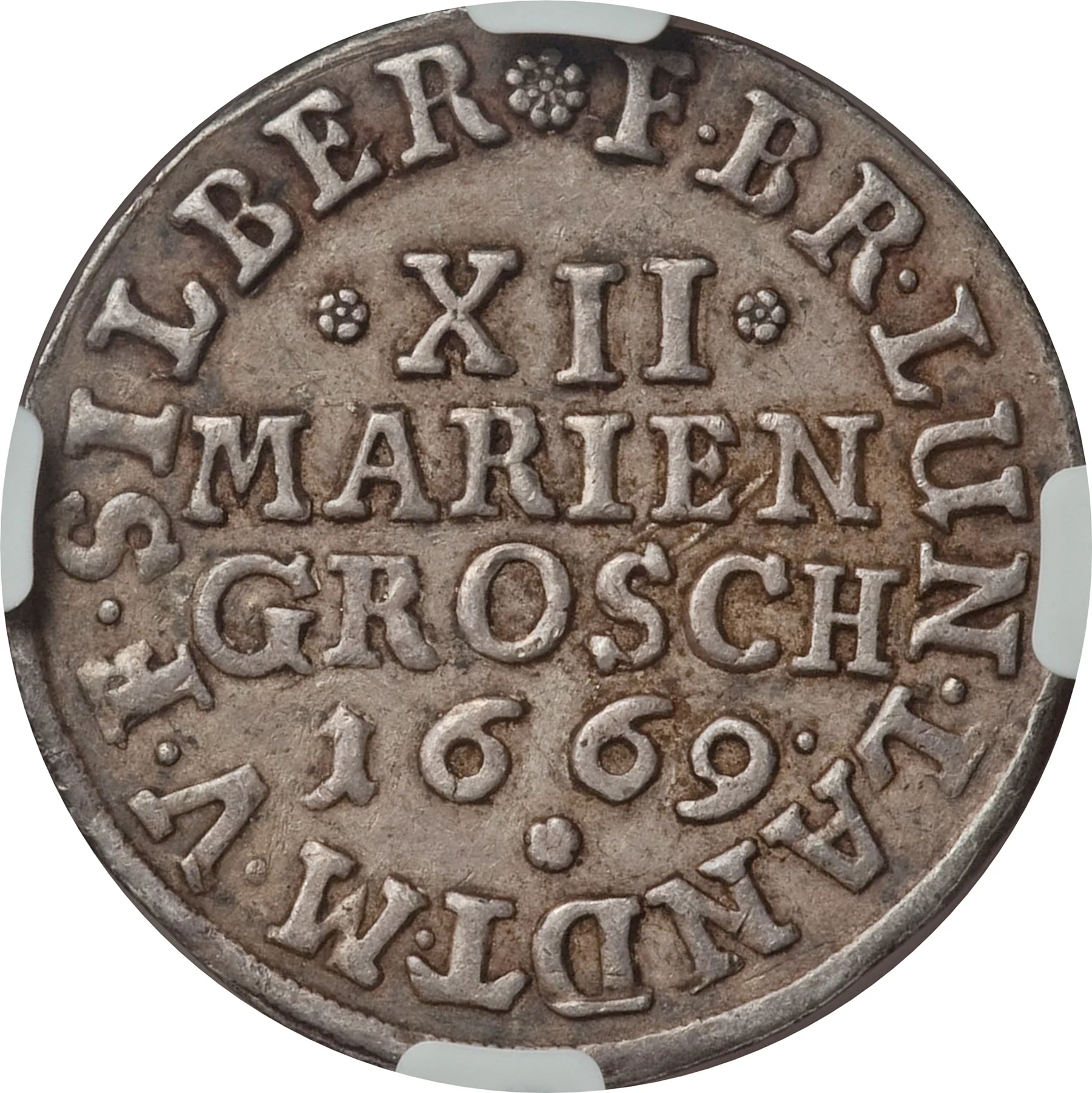
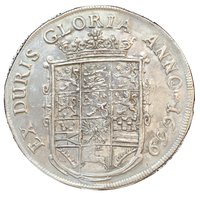
Reverse
Description:
Value and date with legend.
Inscription:
*XII*
MARIEN
GROSCH
1669.
*
*F.BR.LUN.LANDT.M.V.S.SILBER
MARIEN
GROSCH
1669.
*
*F.BR.LUN.LANDT.M.V.S.SILBER
Script: Latin
Edge
Mintings
| Year | Mint Mark | Mintage | Quality | Collection |
|---|---|---|---|---|
| 1668 | — | — | ||
| 1669 | — | — | ||
| 1670 | — | — | ||
| 1671 | — | — | ||
| 1672 | — | — | ||
| 1673 | — | — |
Historical background
In 1668, the Duchy of Brunswick-Lüneburg, specifically the Principality of Calenberg, was entangled in the complex and debilitating monetary chaos that plagued the Holy Roman Empire. The region suffered from a severe proliferation of debased coinage, as various local mints, often operated by private contractors or neighboring lords, competed to produce coins with ever-lower silver content. This "Kipper und Wipper" crisis, which had peaked earlier in the century, left a legacy of multiple, unstable currencies circulating simultaneously, including good pre-crisis Reichsthalers, lightweight local thalers, and small change of dubious value, severely undermining trade and public trust.
The situation was exacerbated by the political fragmentation of the Brunswick-Lüneburg territories. While Duke John Frederick ruled Calenberg, his brothers controlled the separate principalities of Celle and Wolfenbüttel, each with their own minting rights and fiscal policies. This lack of a unified monetary authority made concerted reform nearly impossible. In Calenberg, the primary circulating coin was the Mariengroschen, but its value in relation to the Imperial Thaler was unstable, and the duchy was also affected by the influx of even poorer coins from neighboring states, leading to Gresham's Law in action where "bad money drove out the good."
Consequently, the year 1668 fell within a period of ongoing struggle rather than a single reform. Duke John Frederick, whose court in Hanover was growing in importance, faced constant pressure from merchants and the estates to stabilize the currency. Efforts were likely focused on attempting to control minting outputs and negotiate with his kinsmen for broader regional agreements, laying the groundwork for more definitive reforms that would follow in the coming decades as the Hanoverian line sought to strengthen its administrative and economic control.
The situation was exacerbated by the political fragmentation of the Brunswick-Lüneburg territories. While Duke John Frederick ruled Calenberg, his brothers controlled the separate principalities of Celle and Wolfenbüttel, each with their own minting rights and fiscal policies. This lack of a unified monetary authority made concerted reform nearly impossible. In Calenberg, the primary circulating coin was the Mariengroschen, but its value in relation to the Imperial Thaler was unstable, and the duchy was also affected by the influx of even poorer coins from neighboring states, leading to Gresham's Law in action where "bad money drove out the good."
Consequently, the year 1668 fell within a period of ongoing struggle rather than a single reform. Duke John Frederick, whose court in Hanover was growing in importance, faced constant pressure from merchants and the estates to stabilize the currency. Efforts were likely focused on attempting to control minting outputs and negotiate with his kinsmen for broader regional agreements, laying the groundwork for more definitive reforms that would follow in the coming decades as the Hanoverian line sought to strengthen its administrative and economic control.
💎 Extremely Rare