

40 para – Ottoman Empire
Add to wishlist
Turkey
Context
Year: 1731
Islamic (Hijri) Year:: 1143
Country: Turkey
Issuer: Ottoman Empire
Ruler: Mahmud I
Currency:
(1688—1844)
Demonetized: Yes
Material
References
KM: #
Numista: #57304
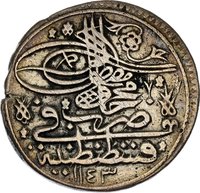
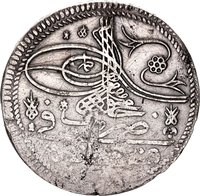
Obverse
Description:
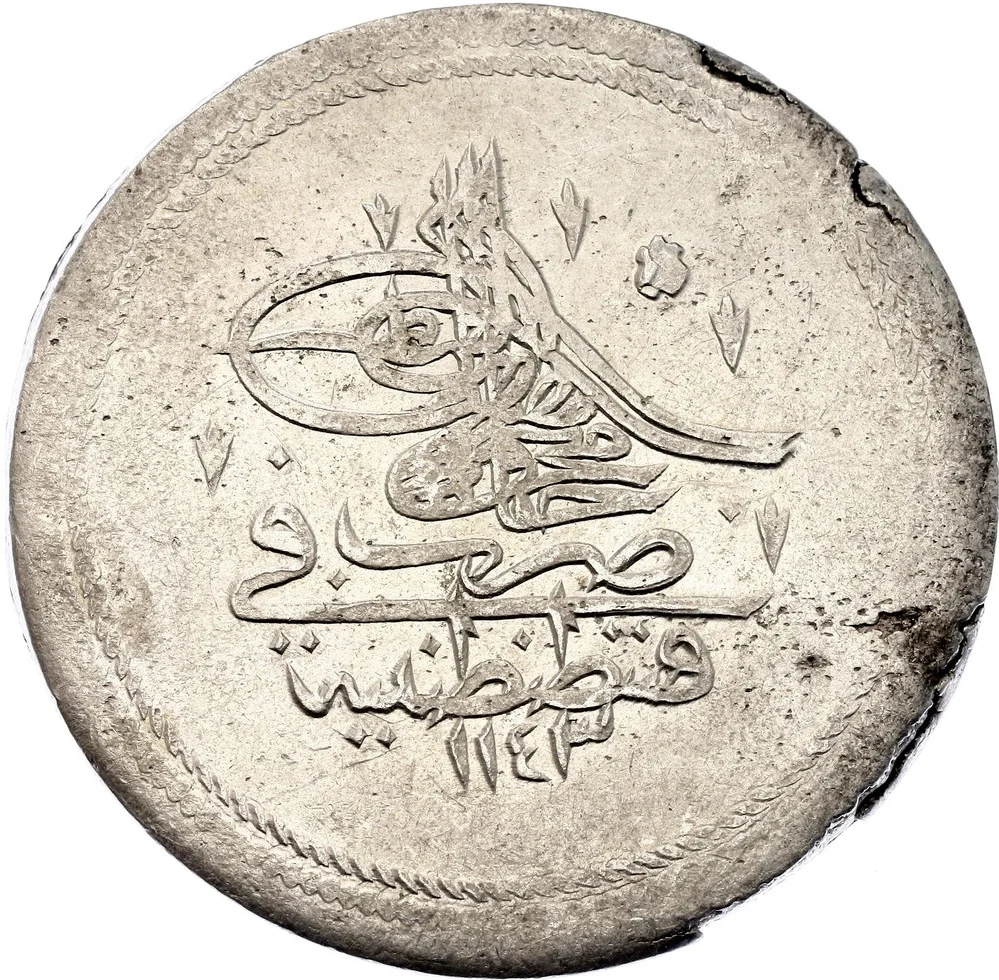
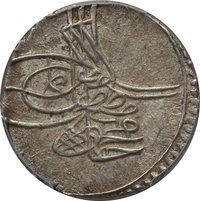
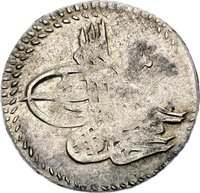
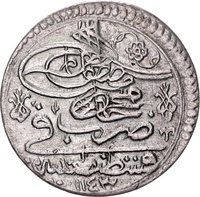
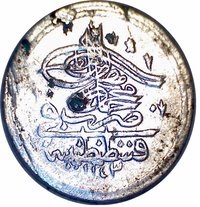
Tugra Darebe minted in Constantinople, 1143.
Script: Arabic
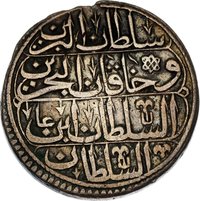
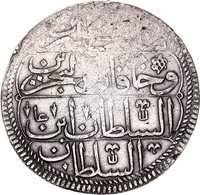
Reverse
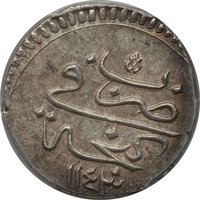
Description:
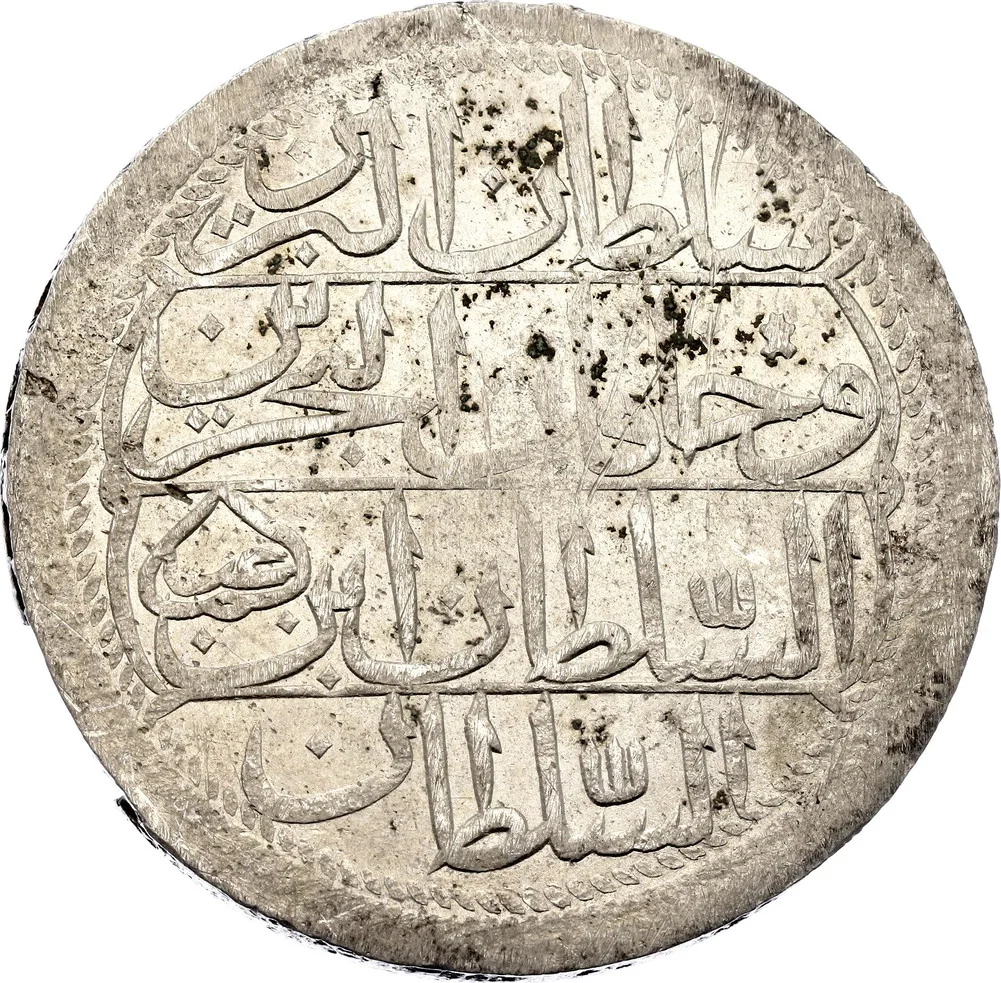
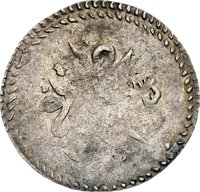
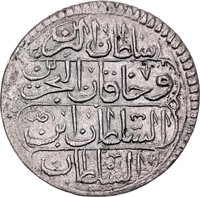
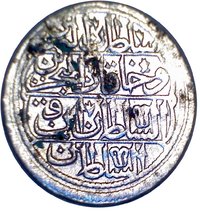
Sultan of the Two Lands and Seas, son of KAF.
Script: Arabic
Edge
Mints
| Name | Mark |
|---|---|
| Constantinople | — |
Mintings
| Year | Mint Mark | Mintage | Quality | Collection |
|---|---|---|---|---|
| 1731 | — | — |
Historical background
In 1731, the Ottoman Empire's currency system was in a state of significant strain, caught between the pressures of a costly military stalemate and deep-seated structural economic problems. The empire was engaged in a prolonged and expensive war with Persia (1722-1727, with continued tensions), which drained the imperial treasury and disrupted trade routes. To finance these campaigns, the state repeatedly resorted to debasement (tağşiş) of the primary silver coin, the akçe, and even the larger kuruş (piastre), by reducing their silver content while maintaining their nominal face value. This practice, while providing short-term liquidity, triggered severe inflation, eroded public trust in the coinage, and caused widespread economic dislocation.
The monetary chaos was compounded by the disruptive influence of European bullion flows. The widespread use of stable foreign coins, particularly the Spanish silver real (known as riyal guruş) and the Dutch levenda thaler, highlighted the weakness of Ottoman mint output. These strong foreign currencies circulated preferentially within the empire, especially for large-scale and international trade, effectively creating a dual monetary system. This "currency substitution" undermined the Sultan's sovereign control over the economy and led to a continuous outflow of pure silver from the Ottoman mints, as coins were melted down or hoarded.
Consequently, the year 1731 fell within a period of frantic but ultimately ineffective imperial intervention. The government issued new regulations and periodically introduced reformed coins intended to restore confidence, but these measures were often quickly reversed or undermined by further debasement. The result was a fragmented and unreliable currency landscape where the values of coins fluctuated wildly by region and market, causing hardship for taxpayers, soldiers paid in devalued coin, and artisans facing rising costs. This instability reflected the broader challenges of an empire struggling to adapt its traditional fiscal structures to the pressures of globalized trade and protracted warfare.
The monetary chaos was compounded by the disruptive influence of European bullion flows. The widespread use of stable foreign coins, particularly the Spanish silver real (known as riyal guruş) and the Dutch levenda thaler, highlighted the weakness of Ottoman mint output. These strong foreign currencies circulated preferentially within the empire, especially for large-scale and international trade, effectively creating a dual monetary system. This "currency substitution" undermined the Sultan's sovereign control over the economy and led to a continuous outflow of pure silver from the Ottoman mints, as coins were melted down or hoarded.
Consequently, the year 1731 fell within a period of frantic but ultimately ineffective imperial intervention. The government issued new regulations and periodically introduced reformed coins intended to restore confidence, but these measures were often quickly reversed or undermined by further debasement. The result was a fragmented and unreliable currency landscape where the values of coins fluctuated wildly by region and market, causing hardship for taxpayers, soldiers paid in devalued coin, and artisans facing rising costs. This instability reflected the broader challenges of an empire struggling to adapt its traditional fiscal structures to the pressures of globalized trade and protracted warfare.
💎 Extremely Rare