

4 skilling – Denmark
Add to wishlist
Denmark
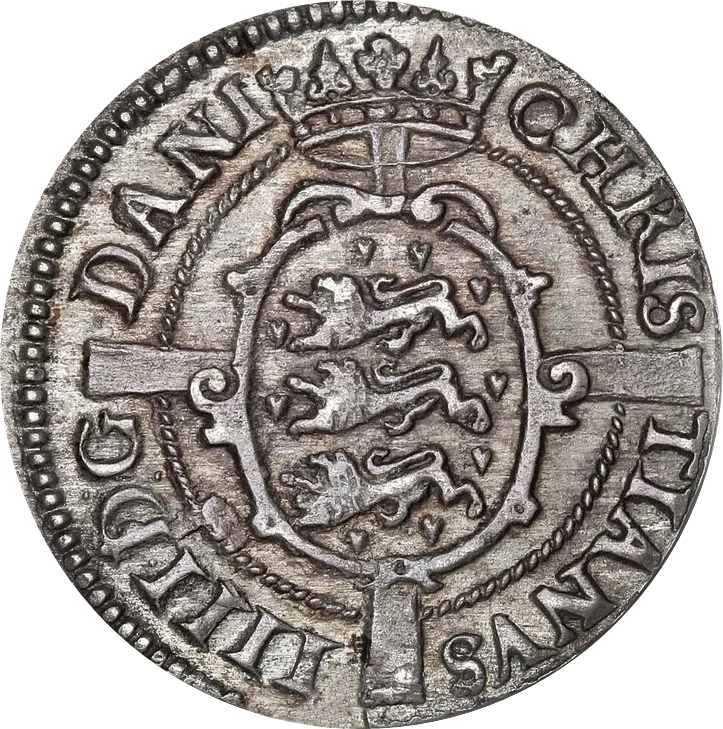
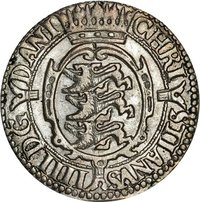
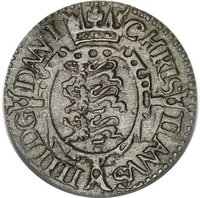
Obverse
Description:
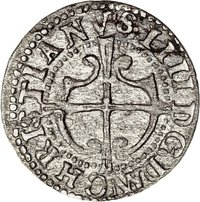
Crowned Danish arms over cross inside beaded circle, with outer legend.
Inscription:
CHRISTIANVS IIII · D:G · DANI
Script: Latin
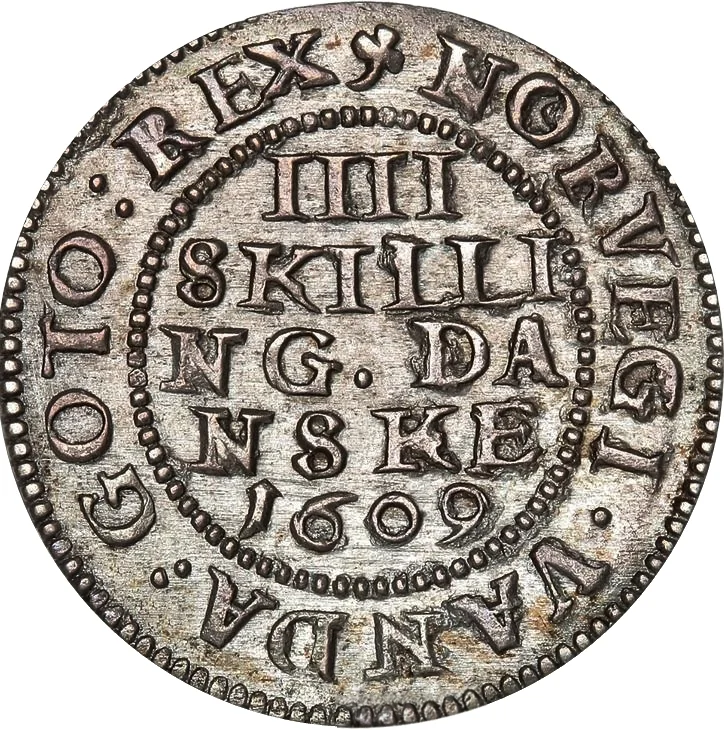
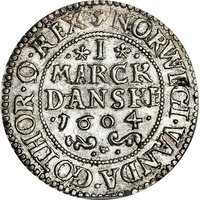
Reverse
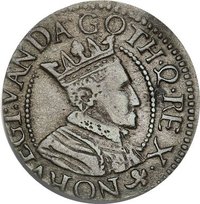
Description:
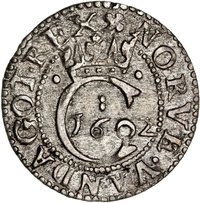
Value and date in circle; legend around rim.
Inscription:
.IIII.
SKILLI
NCK DA
NSKE
1604
NORWEGI · VANDA · GOTH DR · Q · REX
SKILLI
NCK DA
NSKE
1604
NORWEGI · VANDA · GOTH DR · Q · REX
Script: Latin
Edge
Mints
| Name | Mark |
|---|---|
| Copenhagen | ☘ |
Historical background
In 1602, Denmark operated under a complex and often chaotic monetary system, a legacy of the Kalmar Union and repeated medieval debasements. The primary unit of account was the Danish rigsdaler, a large silver coin, but the circulating reality was a fragmented mix of older, clipped, and foreign coins. These included skilling and mark denominations, alongside a significant influx of low-quality klippe coins (square coins struck from hammered sheets) and German and Dutch currencies from Baltic trade. This proliferation of coins of varying silver content and origin made everyday commerce difficult and fostered widespread distrust.
The situation was actively managed, albeit with challenges, by the central authority of King Christian IV. The monarchy held the right of coinage prerogative (møntretten), seeking to control the minting and value of money to fund state activities, including the king’s ambitious building projects and nascent military ventures. However, the state’s own financial pressures sometimes led to deliberate debasement—reducing the silver content in new coins to create more currency from the same bullion, a short-term fix that eroded public confidence and sparked inflation. In 1602, the kingdom was still recovering from a major currency reform in 1596, which had attempted to standardise the system but with mixed success.
Consequently, the Danish economy in 1602 was characterised by a tension between the crown’s desire for monetary control and the messy reality of circulation. Merchants and the public had to constantly assess the intrinsic value of individual coins, not just their face value. This environment created fertile ground for money changers and fraud, while complicating tax collection and long-term contracts. The period thus represents a transitional phase where a medieval patchwork of currencies was slowly, and not always steadily, being brought under the purview of the early modern state.
The situation was actively managed, albeit with challenges, by the central authority of King Christian IV. The monarchy held the right of coinage prerogative (møntretten), seeking to control the minting and value of money to fund state activities, including the king’s ambitious building projects and nascent military ventures. However, the state’s own financial pressures sometimes led to deliberate debasement—reducing the silver content in new coins to create more currency from the same bullion, a short-term fix that eroded public confidence and sparked inflation. In 1602, the kingdom was still recovering from a major currency reform in 1596, which had attempted to standardise the system but with mixed success.
Consequently, the Danish economy in 1602 was characterised by a tension between the crown’s desire for monetary control and the messy reality of circulation. Merchants and the public had to constantly assess the intrinsic value of individual coins, not just their face value. This environment created fertile ground for money changers and fraud, while complicating tax collection and long-term contracts. The period thus represents a transitional phase where a medieval patchwork of currencies was slowly, and not always steadily, being brought under the purview of the early modern state.
Series: 1602 Denmark circulation coins

✨ Legendary