

4 Escudos – New Spain
Mexico
Context
Year: 1701
Country: Mexico 
Issuer: New Spain
Ruler: Charles II
Currency:
(1535—1897)
Demonetized: Yes
Material
References
KM: #Click to copy to clipboard54
Numista: #53659
Value
Bullion value: $2070.16
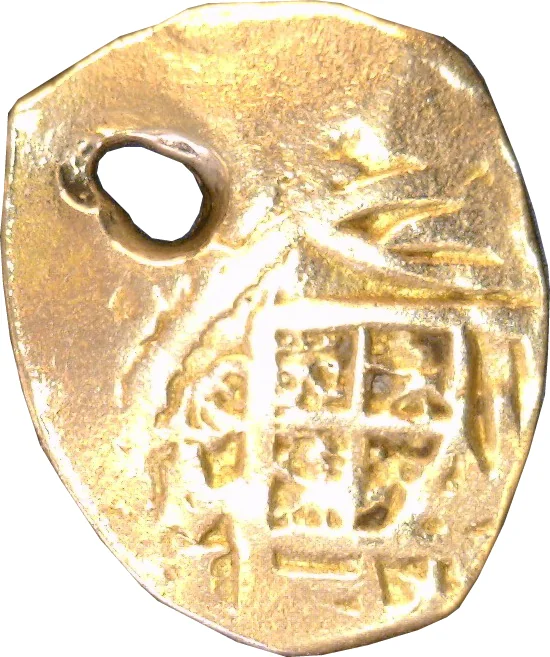
Obverse
Description:
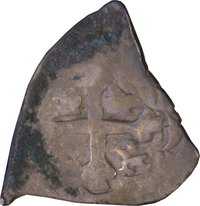
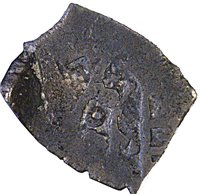
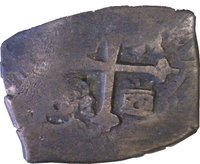
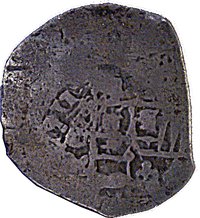
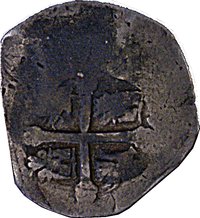
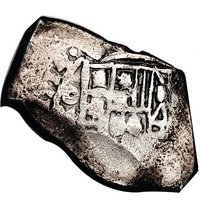
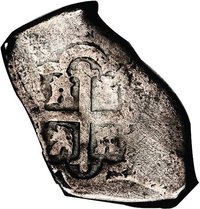
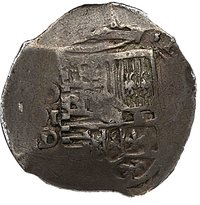
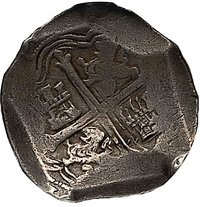
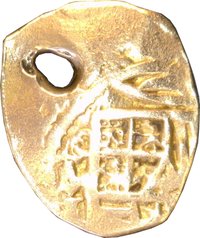
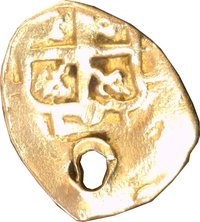
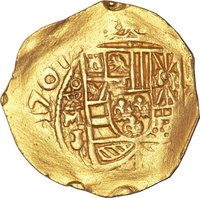
Carlos II coat of arms with legend and date.
Inscription:
CAROLVS II DEI G
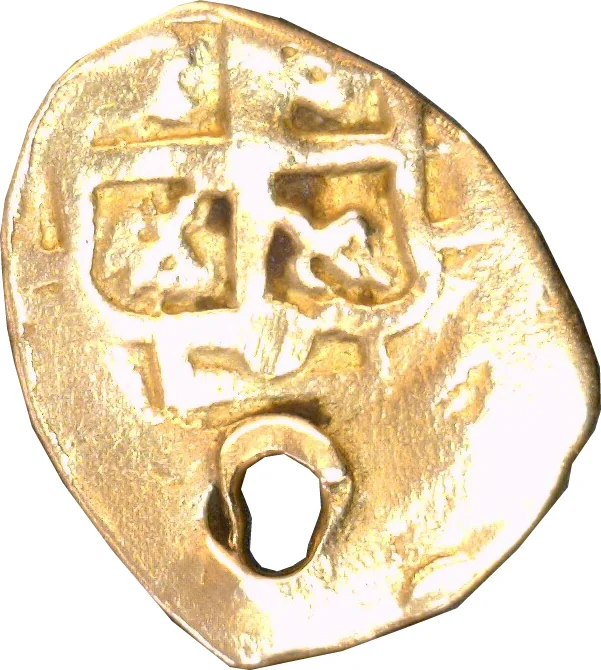
Reverse
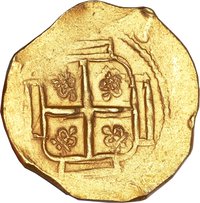
Description:
Spain's coat of arms.
Edge
Mintings
| Year | Mint Mark | Mintage | Quality | Collection |
|---|---|---|---|---|
| 1701 | MXo | — |
Historical background
In 1701, the currency system of New Spain, the wealthiest viceroyalty of the Spanish Empire, was a complex and often problematic blend of official minted coinage and unofficial substitutes. The backbone of the economy was the silver peso or "real de a ocho," minted from the immense silver output of mines like those in Zacatecas and Potosí. These coins, struck at the Mexico City Mint (the oldest in the Americas), were renowned for their purity and were a de facto global currency, circulating widely in Europe, Asia, and the Americas. However, the supply of official coinage was frequently insufficient for local daily transactions, leading to chronic small-change shortages.
This scarcity spurred the widespread use of alternative currencies. The most common were tlacos, lead or copper tokens issued by individual merchants, shopkeepers, and even convents, which could only be redeemed at their place of issue. While filling a vital need, this system was rife with abuse, as issuers could devalue or refuse redemption, exploiting the poor. Additionally, cacao beans, a holdover from the pre-Hispanic economy, still circulated for very small purchases in markets. The Spanish Crown viewed these unofficial systems with suspicion, as they undermined royal control over the monetary supply and facilitated tax evasion, but proved powerless to eradicate them due to persistent demand.
The year 1701 fell within the War of the Spanish Succession (1701-1714), a conflict with direct implications for New Spain's currency. The war strained imperial finances, increasing pressure on colonial silver remittances to fund the Bourbon cause in Europe. While no major monetary reform was enacted in that specific year, the conflict heightened existing tensions. The Crown's preoccupation with the war further limited its capacity to address the viceroyalty's structural currency problems, leaving the patchwork system of official silver, unreliable tlacos, and commodity money firmly in place, setting the stage for future Bourbon reform attempts later in the century.
This scarcity spurred the widespread use of alternative currencies. The most common were tlacos, lead or copper tokens issued by individual merchants, shopkeepers, and even convents, which could only be redeemed at their place of issue. While filling a vital need, this system was rife with abuse, as issuers could devalue or refuse redemption, exploiting the poor. Additionally, cacao beans, a holdover from the pre-Hispanic economy, still circulated for very small purchases in markets. The Spanish Crown viewed these unofficial systems with suspicion, as they undermined royal control over the monetary supply and facilitated tax evasion, but proved powerless to eradicate them due to persistent demand.
The year 1701 fell within the War of the Spanish Succession (1701-1714), a conflict with direct implications for New Spain's currency. The war strained imperial finances, increasing pressure on colonial silver remittances to fund the Bourbon cause in Europe. While no major monetary reform was enacted in that specific year, the conflict heightened existing tensions. The Crown's preoccupation with the war further limited its capacity to address the viceroyalty's structural currency problems, leaving the patchwork system of official silver, unreliable tlacos, and commodity money firmly in place, setting the stage for future Bourbon reform attempts later in the century.
Series: 1701 New Spain circulation coins
✨ Legendary