

8 macutas – Angola
Add to wishlist
Angola
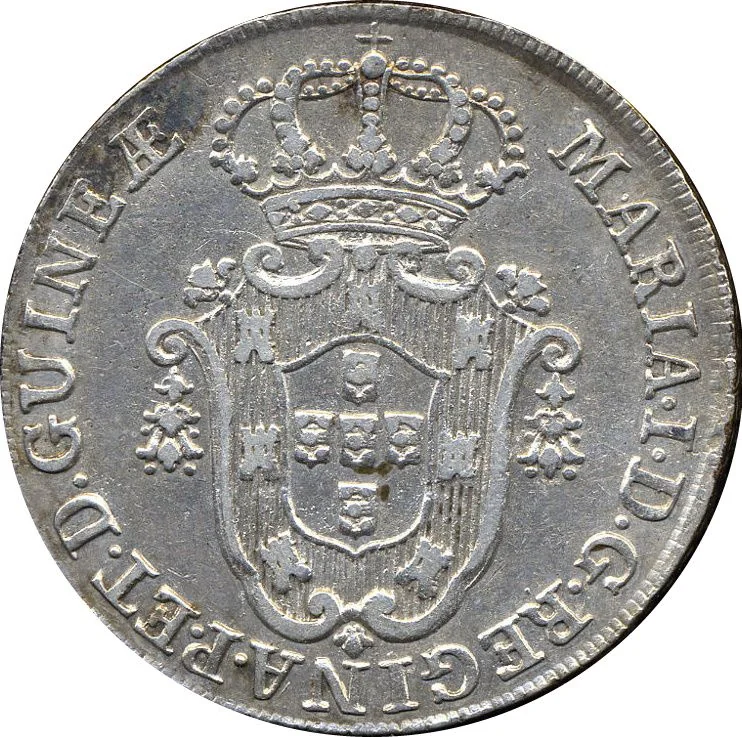
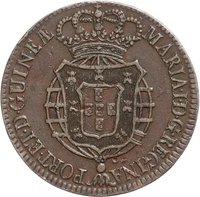
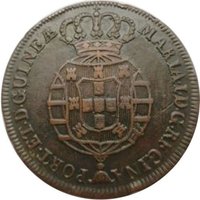
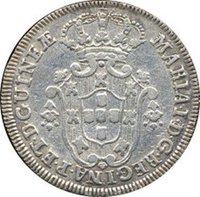
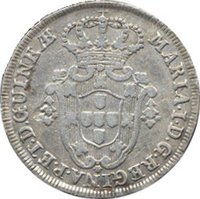
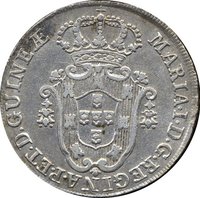
Obverse
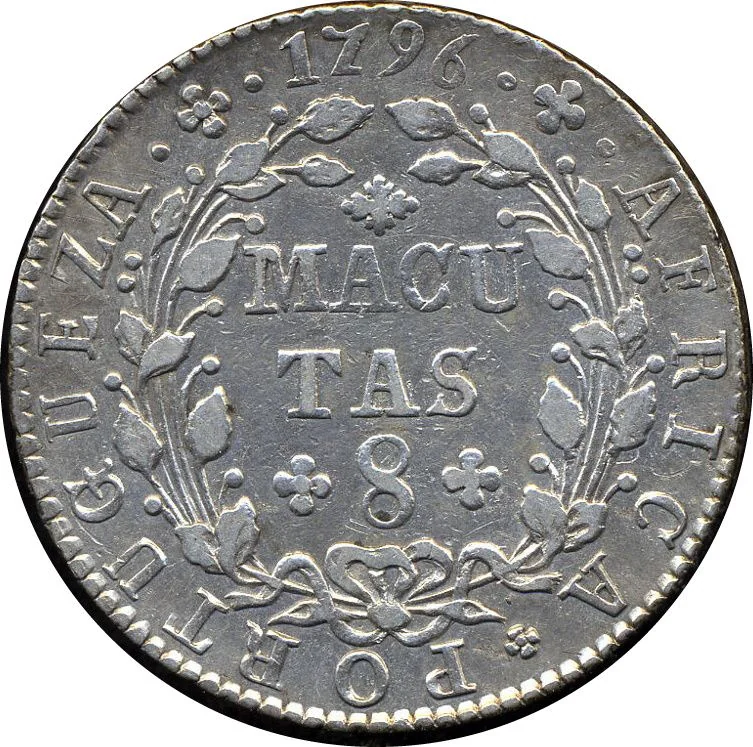
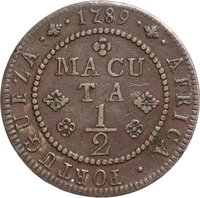
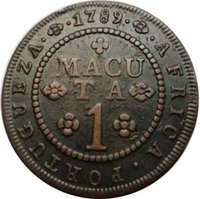
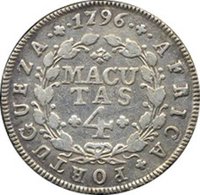
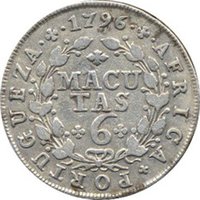
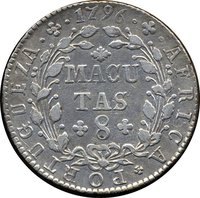
Reverse
Description:
Laurel wreath encircling denomination.
Inscription:
AFRICA·PORTUGUEZA·1796
MACUTAS
8
MACUTAS
8
Script: Latin
Edge
Milled
Mintings
| Year | Mint Mark | Mintage | Quality | Collection |
|---|---|---|---|---|
| 1789 | — | 6,250 | ||
| 1796 | — | 25,000 |
Historical background
In 1789, Angola was not a sovereign nation issuing its own currency but a Portuguese colony integrated into a vast Atlantic mercantile system. The economic lifeblood was the transatlantic slave trade, centred at the port of Luanda, and this commerce dictated the monetary landscape. The primary "currency" was, tragically, human beings themselves, with enslaved people serving as the key unit of account and exchange for major transactions between Portuguese traders, local sobas (African leaders), and pombeiros (African or Afro-Portuguese intermediaries).
Alongside this, a variety of physical currencies circulated in a complex hierarchy. The most important was the réis (plural: réis), the official Portuguese money of account, used in ledgers and for large-scale trade with Lisbon. In everyday local trade, a range of commodity currencies were essential, most notably woven cloth strips (libongos), salt bars (múfua), and shells (nzimbu from Luanda Island). These commodities had deep pre-colonial roots and were widely accepted for smaller purchases and tax payments. Additionally, Spanish-American silver pesos (pieces of eight) and Portuguese gold moedas circulated internationally for high-value commerce.
This multi-layered system reflected Angola's position as a mercantile hub and extraction colony. The coexistence of Portuguese imperial coinage, diverse African commodity monies, and human beings as capital created a fragmented and exploitative monetary environment. It was designed to facilitate the export of enslaved labour to Brazil and the import of Portuguese manufactured goods, ensuring that economic activity served the interests of the colonial power rather than fostering internal development.
Alongside this, a variety of physical currencies circulated in a complex hierarchy. The most important was the réis (plural: réis), the official Portuguese money of account, used in ledgers and for large-scale trade with Lisbon. In everyday local trade, a range of commodity currencies were essential, most notably woven cloth strips (libongos), salt bars (múfua), and shells (nzimbu from Luanda Island). These commodities had deep pre-colonial roots and were widely accepted for smaller purchases and tax payments. Additionally, Spanish-American silver pesos (pieces of eight) and Portuguese gold moedas circulated internationally for high-value commerce.
This multi-layered system reflected Angola's position as a mercantile hub and extraction colony. The coexistence of Portuguese imperial coinage, diverse African commodity monies, and human beings as capital created a fragmented and exploitative monetary environment. It was designed to facilitate the export of enslaved labour to Brazil and the import of Portuguese manufactured goods, ensuring that economic activity served the interests of the colonial power rather than fostering internal development.
Series: 1789 Angola circulation coins
💎 Extremely Rare