

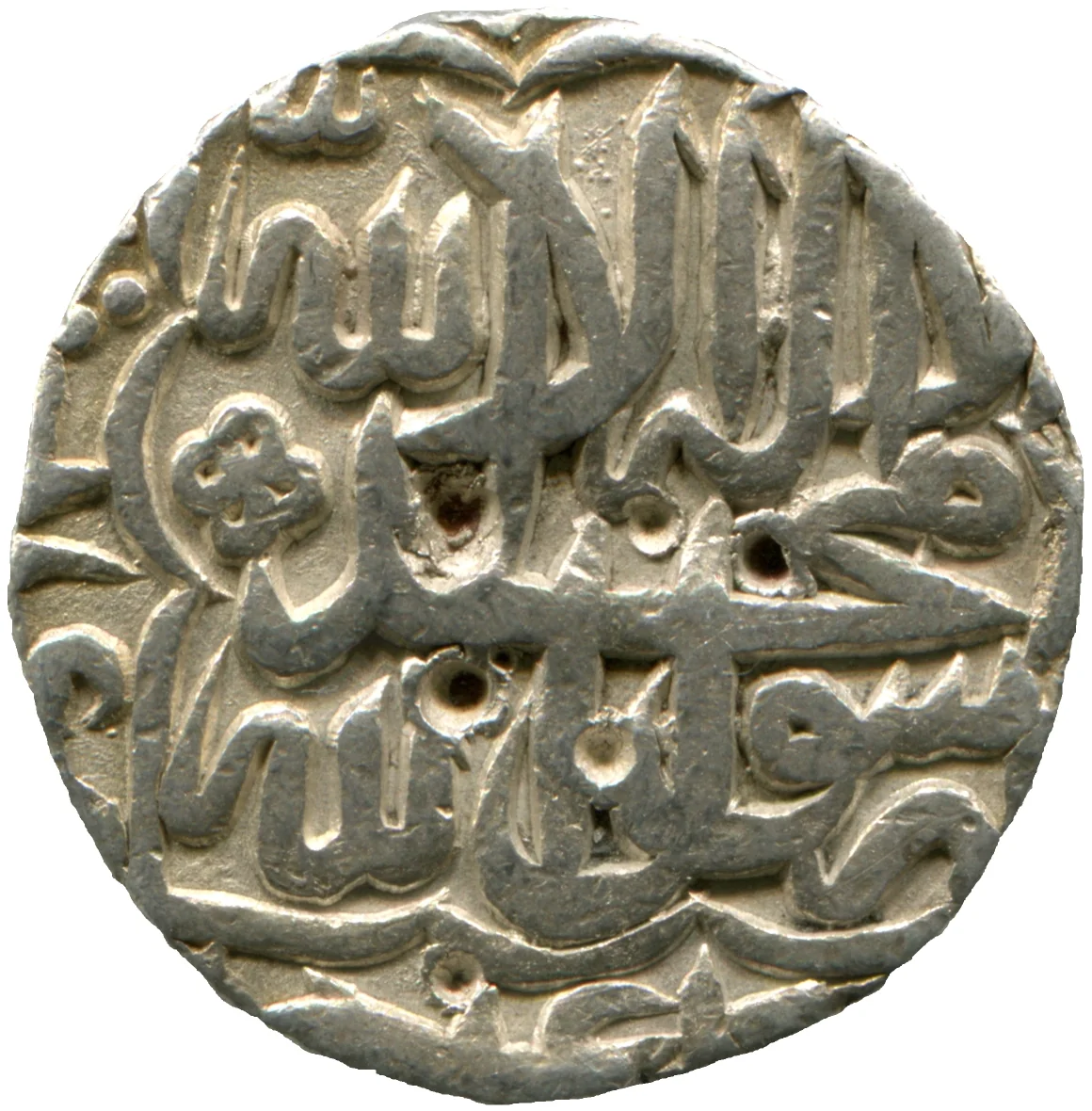
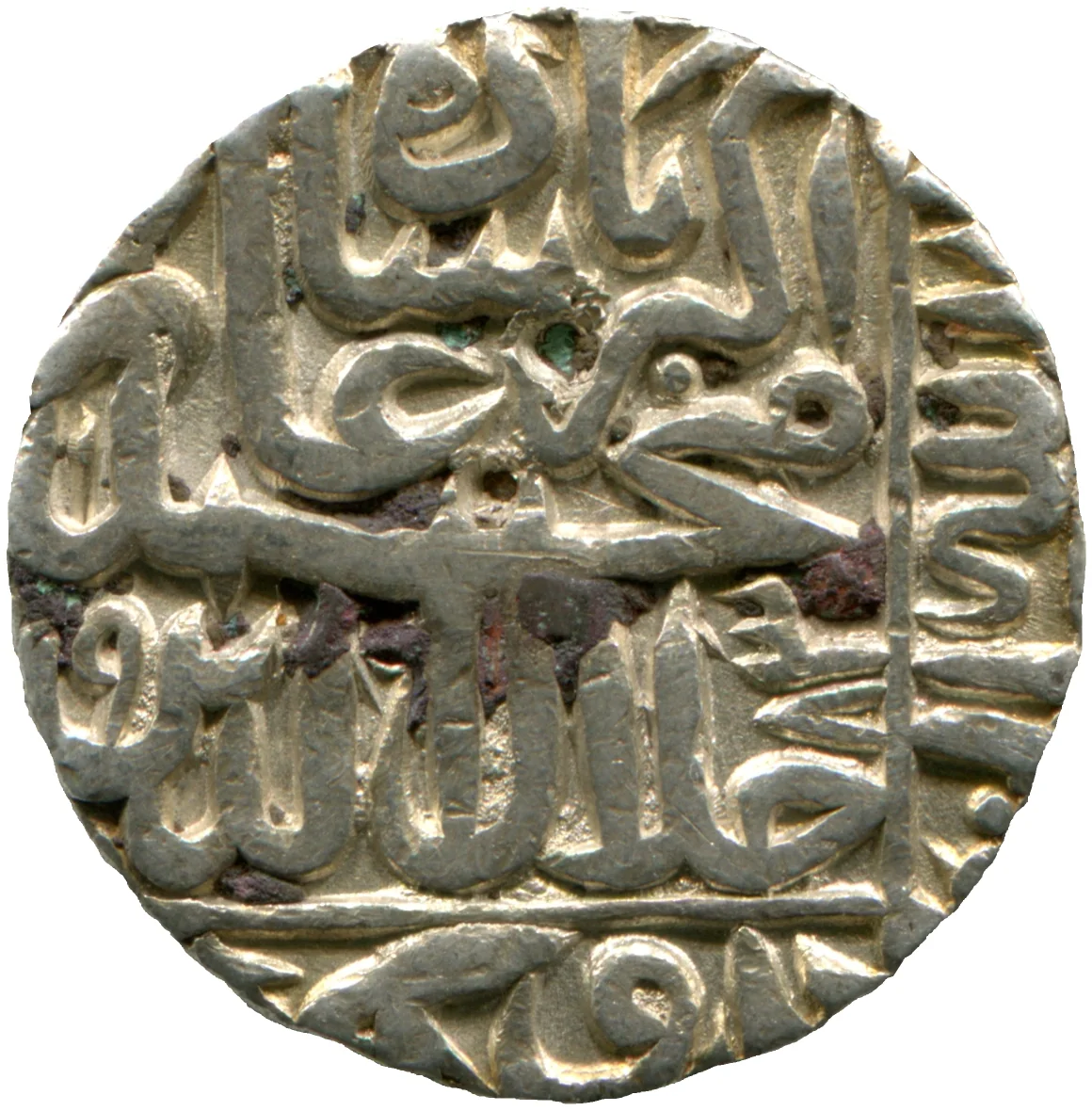
1 Rupee – Mughal Empire
India
Context
Years: 1556–1568
Country: India 
Issuer: Mughal Empire
Ruler: Akbar
Currency:
(1540—1842)
Demonetized: Yes
Material
Diameter: 22.1 mm
Weight: 11.26 g
Silver weight: 11.26 g
Shape: Irregular round
Composition: Silver
Magnetic: No
References
KM: #Click to copy to clipboard80.1
Numista: #53146
Value
Bullion value: $32.66
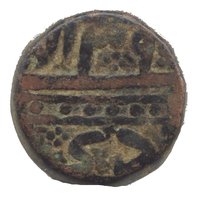
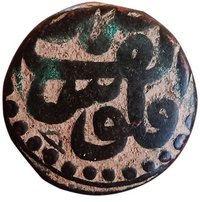
Obverse
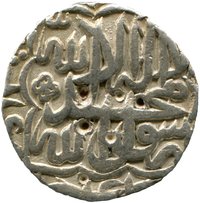
Description:
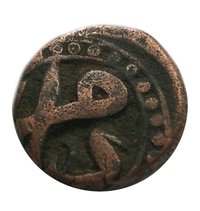
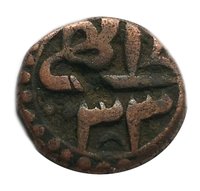
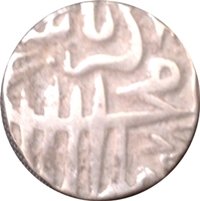
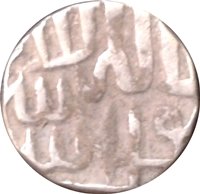
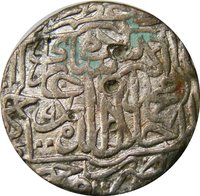
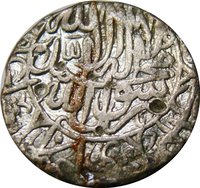
Kalima-e-Tayyab: "There is no god but Allah, and Muhammad is the Messenger of Allah."
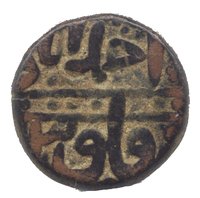
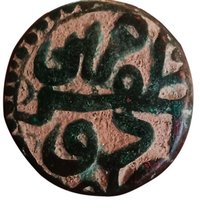
Reverse
Description:
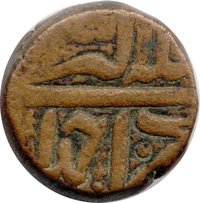
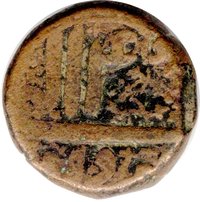
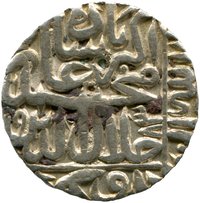
Emperor Akbar, Ghazi (1542–1605)
Inscription:
(۹)٧٨
Edge
Mintings
| Year | Mint Mark | Mintage | Quality | Collection |
|---|---|---|---|---|
| 1556 | — | — | ||
| 1557 | — | — | ||
| 1558 | — | — | ||
| 1559 | — | — | ||
| 1560 | — | — | ||
| 1561 | — | — | ||
| 1562 | — | — | ||
| 1563 | — | — | ||
| 1564 | — | — | ||
| 1565 | — | — | ||
| 1566 | — | — | ||
| 1567 | — | — | ||
| 1568 | — | — |
Historical background
In 1556, the Mughal Empire's currency system was in a state of transition and consolidation following the re-establishment of imperial authority under the young Emperor Akbar. The foundational monetary structure had been inherited from the preceding Delhi Sultanate and was heavily influenced by the silver tanka and copper dam. However, the empire was still recovering from the brief interregnum of Humayun's exile and the rule of Sher Shah Suri (1540-1555), whose own radical currency reforms had left a lasting legacy. Sher Shah had introduced high-purity silver coins called rupiyas and standardized copper coins, creating a more uniform and reliable system that the Mughals pragmatically adopted and would later refine.
The practical currency situation in 1556 was geographically uneven. While the Suri system provided a model, Akbar's control was not yet absolute, and minting authority was not fully centralized. Various regional mints operated across territories under Mughal influence, producing coins that often bore the name of the current ruler but could vary in weight and purity. The primary coins in circulation were the silver rupiya (precursor to the modern rupee), the gold mohur, and the copper dam. The dam, in particular, served as the essential base unit for everyday transactions and revenue accounting, with its value fluctuating against silver.
This year was a critical juncture, as the currency system stood on the brink of major transformation. Following his victory at the Second Battle of Panipat in November 1556, Akbar secured his throne and embarked on a long reign of administrative consolidation. The monetary instability and regional variations of 1556 would soon be addressed through his sweeping reforms, which included strict central control over mints, imperial standardization of weights and measures, and the eventual creation of a tri-metallic currency system that would become renowned for its quality and stability, fueling the empire's economic strength for over a century.
The practical currency situation in 1556 was geographically uneven. While the Suri system provided a model, Akbar's control was not yet absolute, and minting authority was not fully centralized. Various regional mints operated across territories under Mughal influence, producing coins that often bore the name of the current ruler but could vary in weight and purity. The primary coins in circulation were the silver rupiya (precursor to the modern rupee), the gold mohur, and the copper dam. The dam, in particular, served as the essential base unit for everyday transactions and revenue accounting, with its value fluctuating against silver.
This year was a critical juncture, as the currency system stood on the brink of major transformation. Following his victory at the Second Battle of Panipat in November 1556, Akbar secured his throne and embarked on a long reign of administrative consolidation. The monetary instability and regional variations of 1556 would soon be addressed through his sweeping reforms, which included strict central control over mints, imperial standardization of weights and measures, and the eventual creation of a tri-metallic currency system that would become renowned for its quality and stability, fueling the empire's economic strength for over a century.
💎 Extremely Rare