

2 mark – Sweden
Add to wishlist
Sweden
Context
Years: 1664–1677
Issuer: Sweden
Ruler: Charles XI
Currency:
(1665—1715)
Demonetized: Yes
Total mintage: 430,494
Material
References
KM: #
Numista: #52523
Value
Bullion value: $17.87
Obverse
Description:
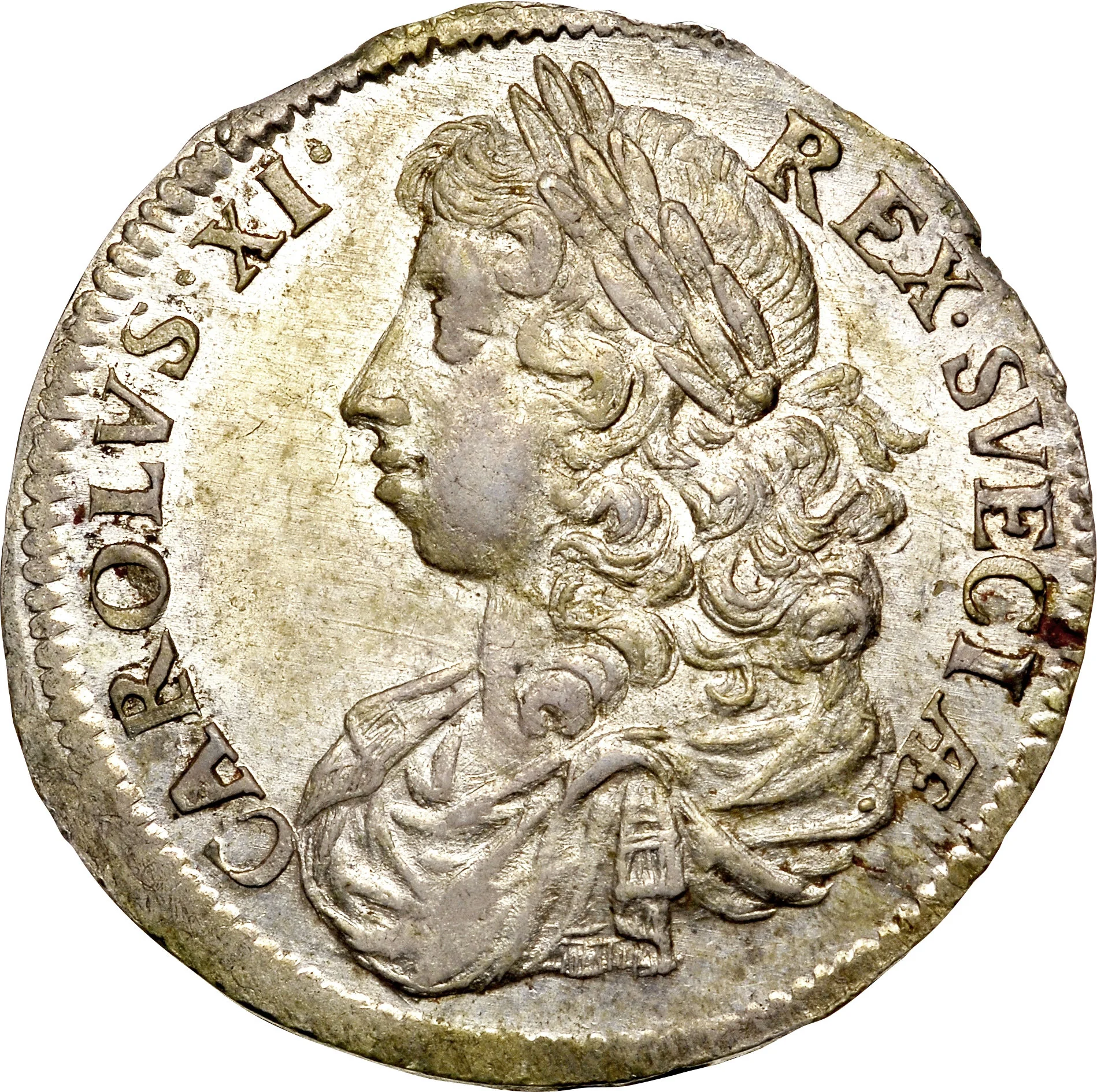
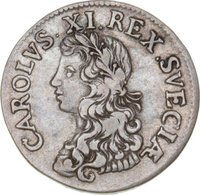
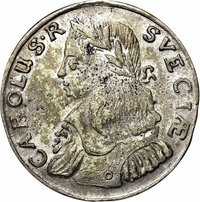
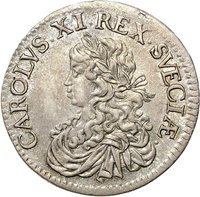
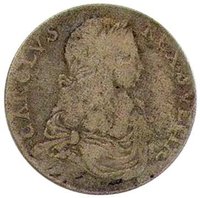
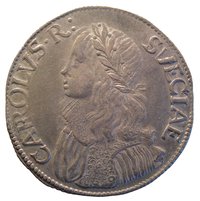
Carl XI laureate bust left, lettering around rim.
Inscription:
CAROLVS·XI· REX·SVECIÆ
Script: Latin
Engraver: H. Zederits
Reverse
Description:
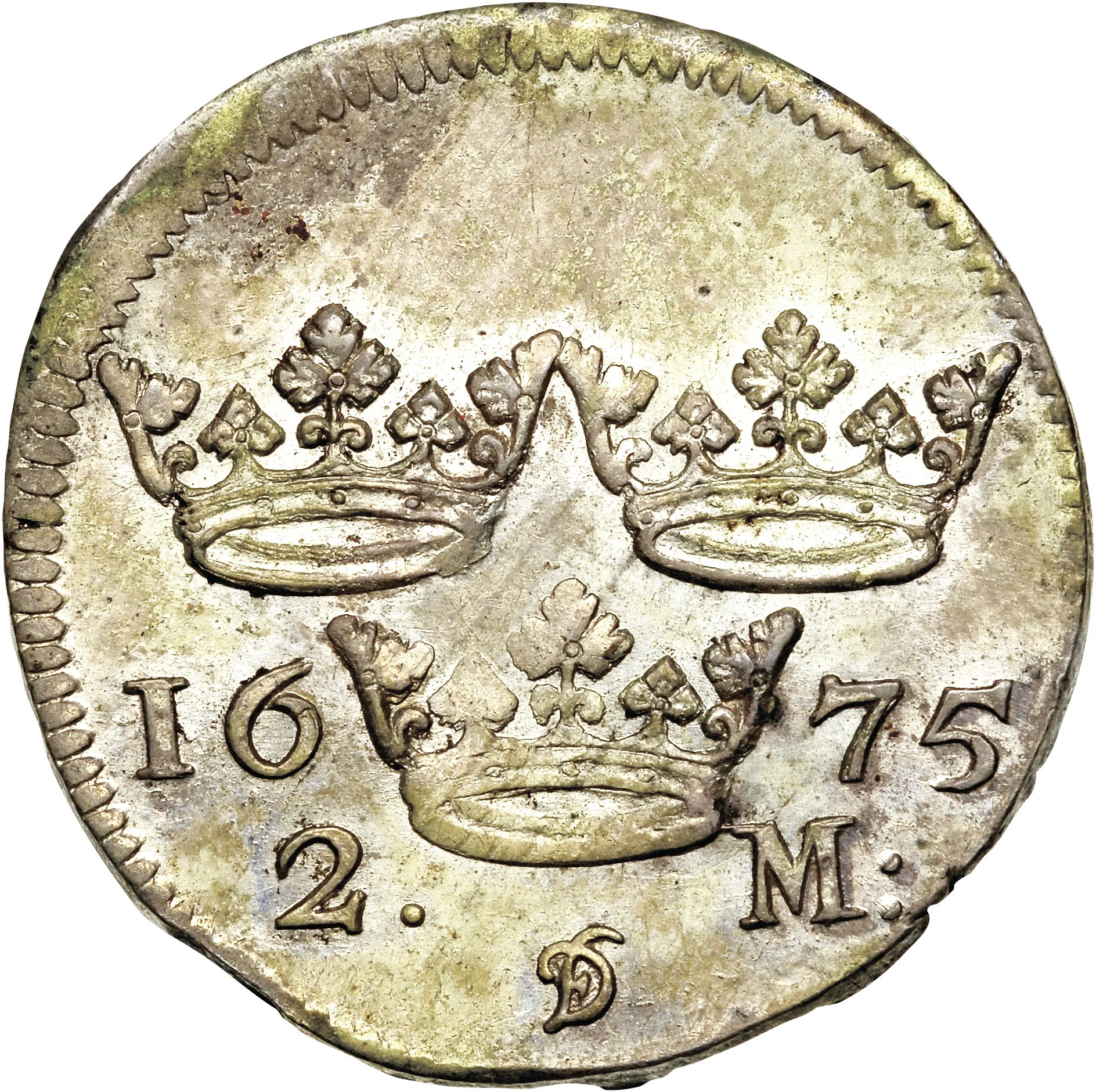
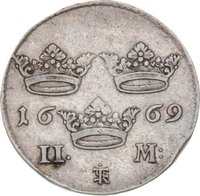
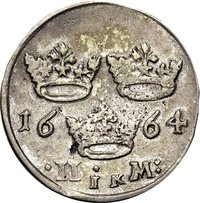
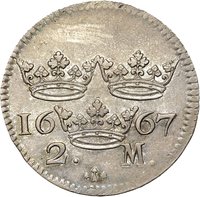
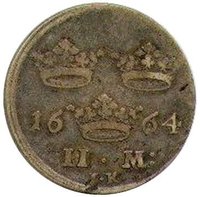
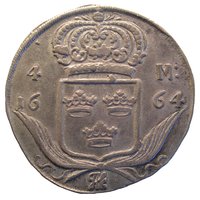
Three crowns separate date and numeric value.
Inscription:
16 75
2. M:
DF
2. M:
DF
Script: Latin
Engraver: H. Zederits
Edge
Plain
Mintings
| Year | Mint Mark | Mintage | Quality | Collection |
|---|---|---|---|---|
| 1664 | IK | — | ||
| 1665 | IAK | — | ||
| 1665 | IK | — | ||
| 1665 | — | — | ||
| 1666 | AK | — | ||
| 1667 | AK | — | ||
| 1668 | AK | — | ||
| 1671 | FIRST | — | ||
| 1674 | DF | — | ||
| 1675 | DF | 240,316 | ||
| 1676 | DF | 114,556 | ||
| 1677 | DF | 75,622 |
Historical background
In 1664, Sweden was navigating a complex and challenging monetary landscape, a direct consequence of the Thirty Years' War (1618-1648). To finance its extensive military campaigns, the Swedish state had heavily debased its coinage, particularly the silver daler. By reducing the silver content and increasing the nominal value, the government created a flood of inferior coins. This led to a classic situation of "bad money driving out good," where older, purer coins were hoarded or melted down, leaving the economy reliant on unreliable and distrusted currency. The result was severe inflation, price instability, and a profound lack of public confidence in the monetary system.
Recognizing the crisis, a major monetary reform was enacted in 1664 under the guidance of Chancellor Magnus Gabriel De la Gardie. The cornerstone of this reform was the introduction of a new, stable silver coin: the Carolin (or karlin), named after King Charles XI. Valued at one daler silvermynt, the Carolin was minted with a high and guaranteed silver content, aiming to restore trust. Alongside it, a copper daler coin was also issued, as Sweden was a major copper producer and maintained a bimetallic system. The reform sought to establish a fixed exchange rate between the new silver coins and the longstanding copper plate money (plåtmynt), which were large, cumbersome sheets of copper used for high-value transactions.
The 1664 reform was a significant attempt at stabilization, but its long-term success was limited. Maintaining the fixed ratio between silver and copper proved difficult due to fluctuating market prices for the metals. Furthermore, state finances remained strained, creating persistent temptation for further debasement in later years. Thus, while 1664 represents a pivotal year of intentional reform aimed at correcting the wartime currency chaos, it did not fully resolve Sweden's monetary troubles, which would require further overhauls in the decades to follow.
Recognizing the crisis, a major monetary reform was enacted in 1664 under the guidance of Chancellor Magnus Gabriel De la Gardie. The cornerstone of this reform was the introduction of a new, stable silver coin: the Carolin (or karlin), named after King Charles XI. Valued at one daler silvermynt, the Carolin was minted with a high and guaranteed silver content, aiming to restore trust. Alongside it, a copper daler coin was also issued, as Sweden was a major copper producer and maintained a bimetallic system. The reform sought to establish a fixed exchange rate between the new silver coins and the longstanding copper plate money (plåtmynt), which were large, cumbersome sheets of copper used for high-value transactions.
The 1664 reform was a significant attempt at stabilization, but its long-term success was limited. Maintaining the fixed ratio between silver and copper proved difficult due to fluctuating market prices for the metals. Furthermore, state finances remained strained, creating persistent temptation for further debasement in later years. Thus, while 1664 represents a pivotal year of intentional reform aimed at correcting the wartime currency chaos, it did not fully resolve Sweden's monetary troubles, which would require further overhauls in the decades to follow.
Series: 1664 Sweden circulation coins
✨ Legendary