

1 Crown – England
United Kingdom
Context
Years: 1620–1624
Country: United Kingdom 
Issuer: England 
Ruler: James I
Currency:
(1158—1970)
Demonetized: Yes
Material
References
KM: #Click to copy to clipboard63
Numista: #52452
Value
Bullion value: $79.60
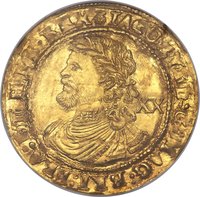
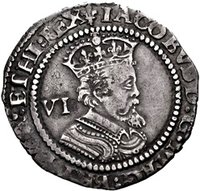
Obverse
Description:
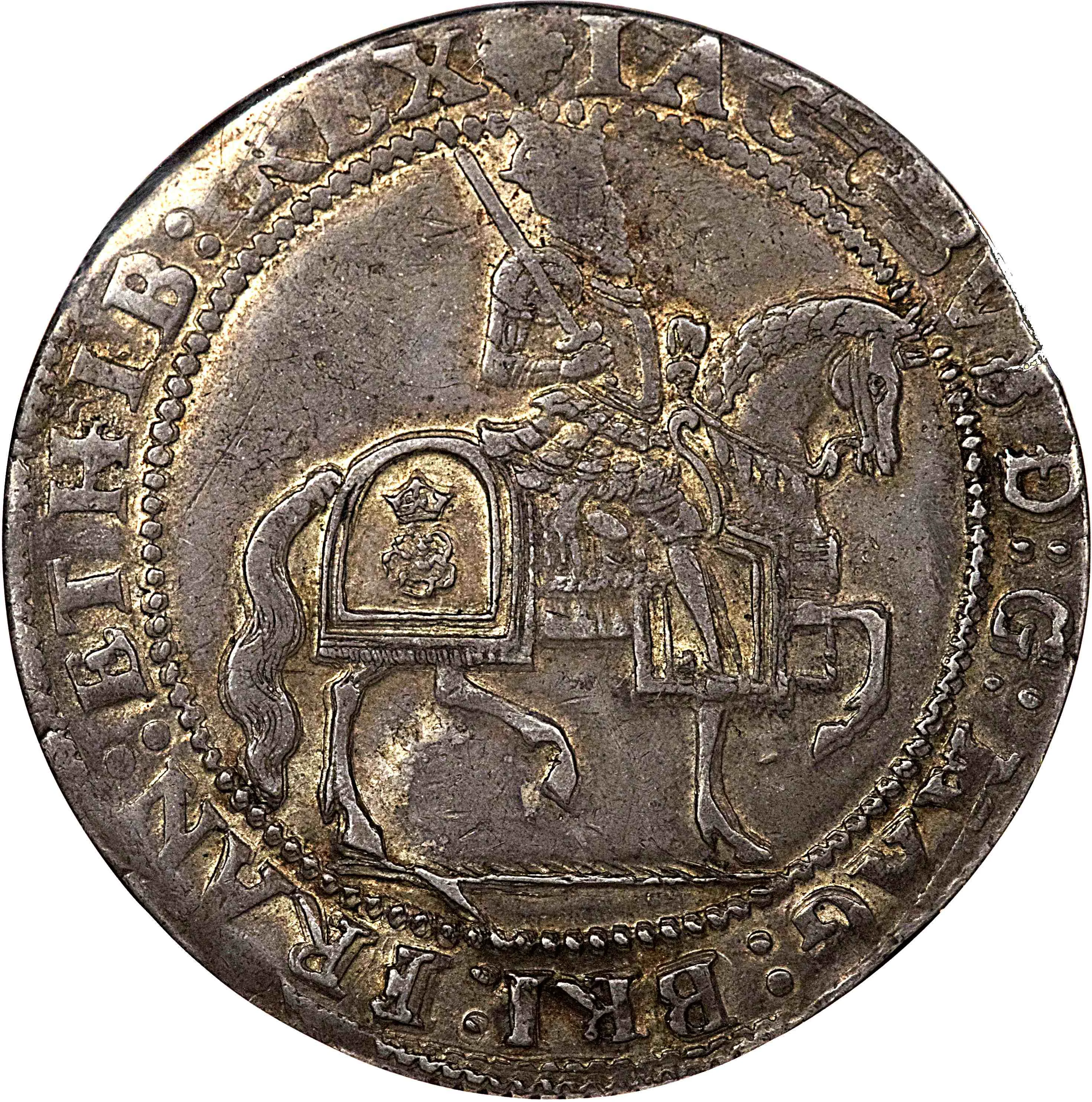
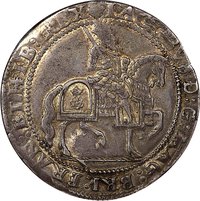
King on horseback, sword raised.
Script: Latin
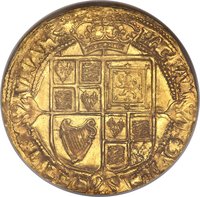
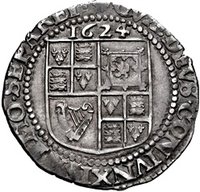
Reverse
Description:
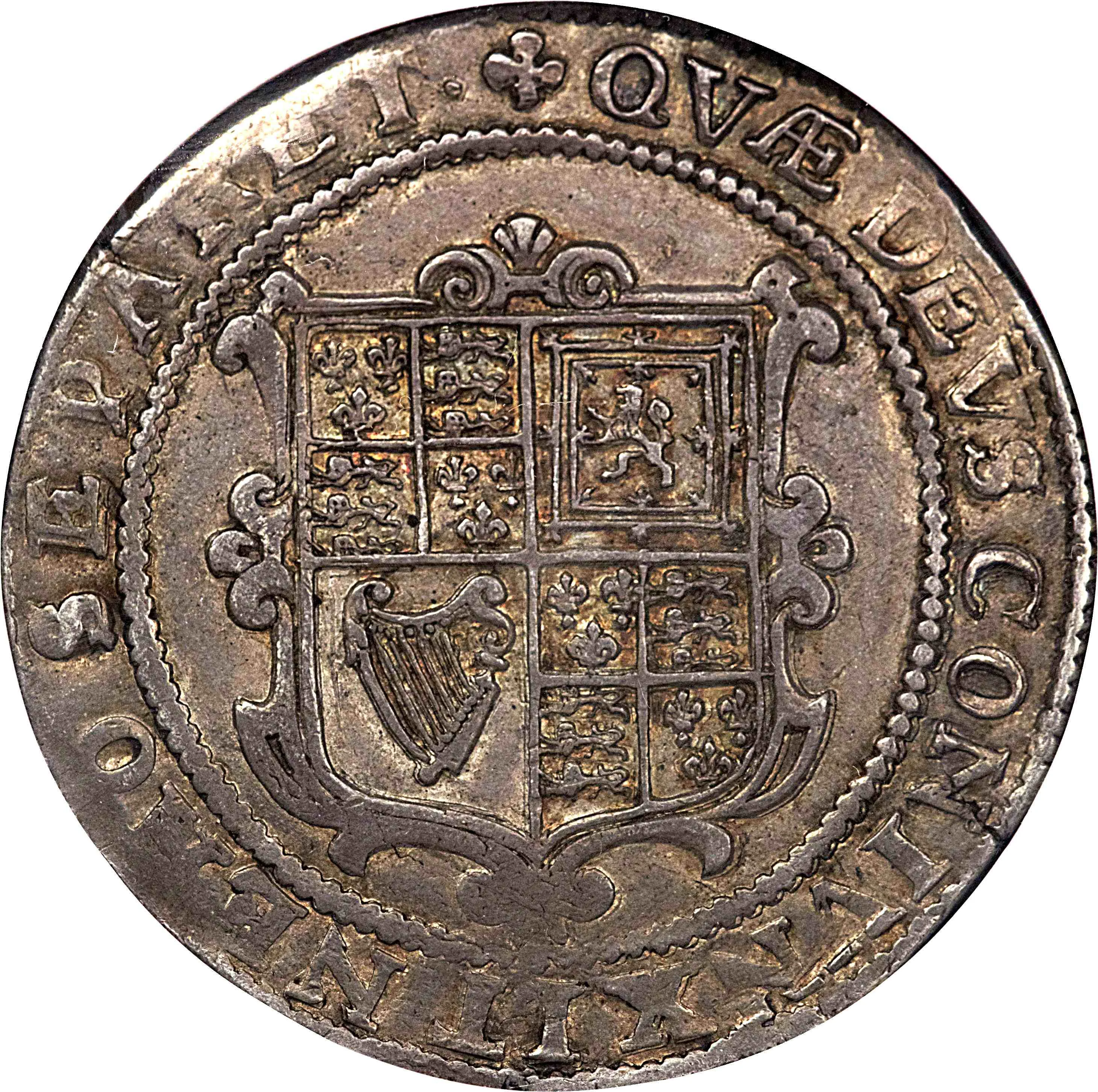
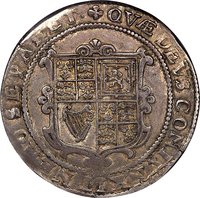
Quartered shield with surrounding legend.
Script: Latin
Edge
Mintings
| Year | Mint Mark | Mintage | Quality | Collection |
|---|---|---|---|---|
| — | — | — | ||
| 1624 | — | — |
Historical background
In 1620, England operated under a bimetallic monetary system, with the pound sterling (£) as the unit of account, though no physical pound coin existed. The primary circulating coins were silver shillings (12 pence) and gold sovereigns (20 shillings). The system was legally defined by the royal mint's price for gold and silver, but this official ratio often failed to match fluctuating market values, leading to chronic instability. A significant problem was the physical deterioration of hand-hammered silver coins, which were clipped and worn, reducing their intrinsic metal value and causing good, full-weight coins to be hoarded or melted down for bullion—an early example of Gresham’s Law ("bad money drives out good").
This period fell within the early reign of King James I, who had overseen a major recoinage in 1604, introducing new gold units like the Unite and the Laurel. However, the state of the coinage remained a concern, particularly for foreign trade. England's balance of trade was often negative, leading to an outflow of silver to the Continent and the East India Company, which drained the kingdom of its high-quality specie. This scarcity of sound coin hampered domestic commerce and state finance, creating a tangible tension between the nominal value of money and its worth in precious metal.
Consequently, everyday economic life in 1620 was characterised by a mixture of physical coins of varying reliability, along with credit instruments, book debts, and token farthings issued under royal patent to address the lack of small change. The monetary system was under strain, setting the stage for future crises that would culminate in the Great Recoinage of the 1690s under a different monarch. The situation highlighted the growing inadequacy of a medieval minting system in a rapidly expanding commercial and imperial age.
This period fell within the early reign of King James I, who had overseen a major recoinage in 1604, introducing new gold units like the Unite and the Laurel. However, the state of the coinage remained a concern, particularly for foreign trade. England's balance of trade was often negative, leading to an outflow of silver to the Continent and the East India Company, which drained the kingdom of its high-quality specie. This scarcity of sound coin hampered domestic commerce and state finance, creating a tangible tension between the nominal value of money and its worth in precious metal.
Consequently, everyday economic life in 1620 was characterised by a mixture of physical coins of varying reliability, along with credit instruments, book debts, and token farthings issued under royal patent to address the lack of small change. The monetary system was under strain, setting the stage for future crises that would culminate in the Great Recoinage of the 1690s under a different monarch. The situation highlighted the growing inadequacy of a medieval minting system in a rapidly expanding commercial and imperial age.
Series: 1620 England circulation coins
✨ Legendary