

1 Shilling – England
United Kingdom
Context
Years: 1607–1613
Country: United Kingdom 
Issuer: England 
Ruler: James I
Currency:
(1158—1970)
Demonetized: Yes
Material
Diameter: 29 mm
Weight: 6 g
Silver weight: 5.55 g
Thickness: 0.9 mm
Shape: Irregular round
Composition: 92.5% Silver
Magnetic: No
Technique: Hammered
References
KM: #Click to copy to clipboard28
Numista: #52442
Value
Bullion value: $15.78
Obverse
Description:
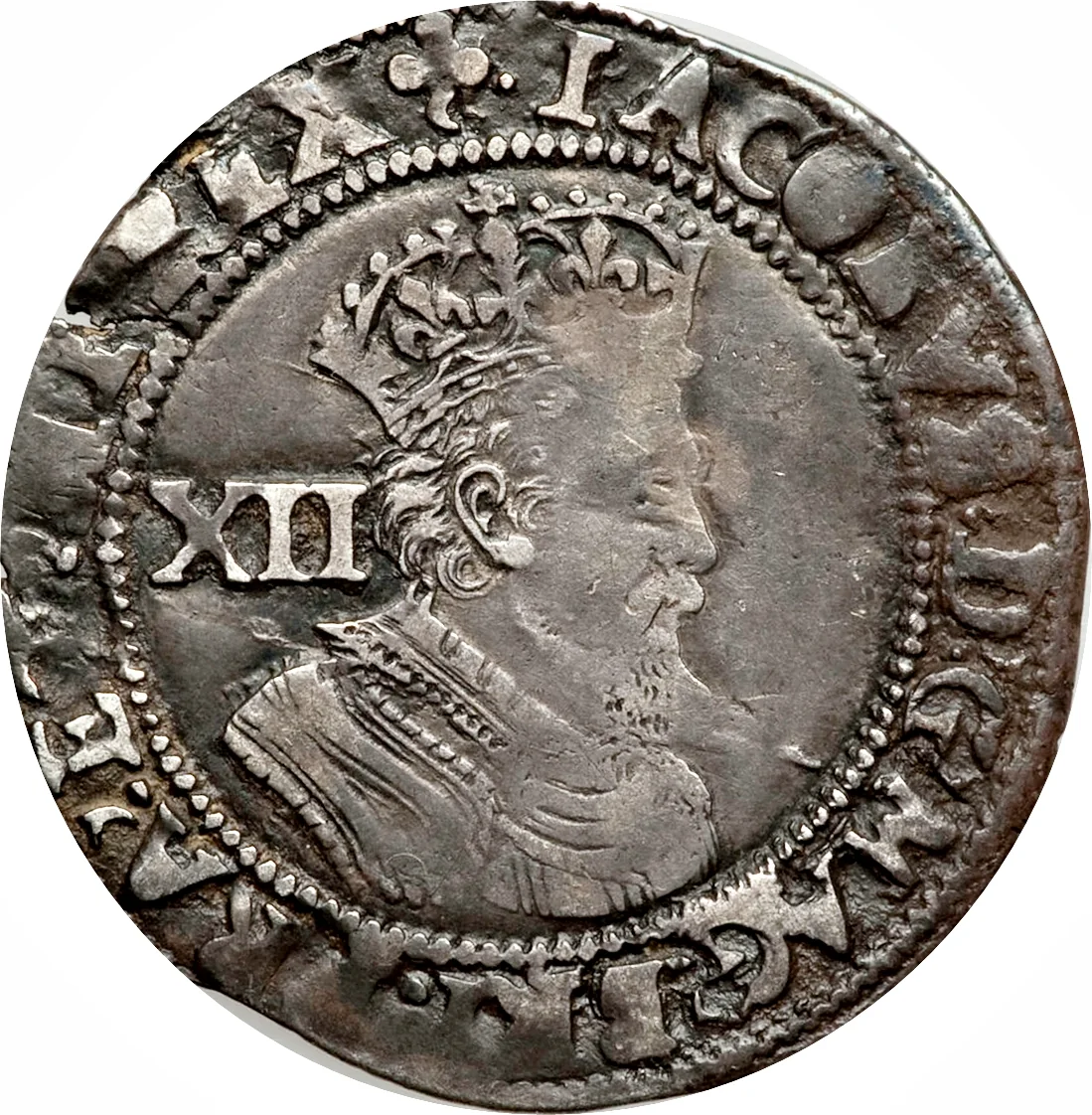
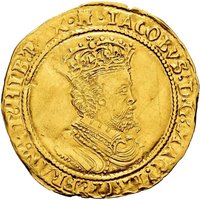
King James I crowned bust right, denomination behind, legend around. (Varieties: single- or double-arched crown).
Inscription:
·IACOBVS · D: G: MAG: BRIT: FRA: ET· HIB: REX·
XII
XII
Script: Latin
Reverse
Description:
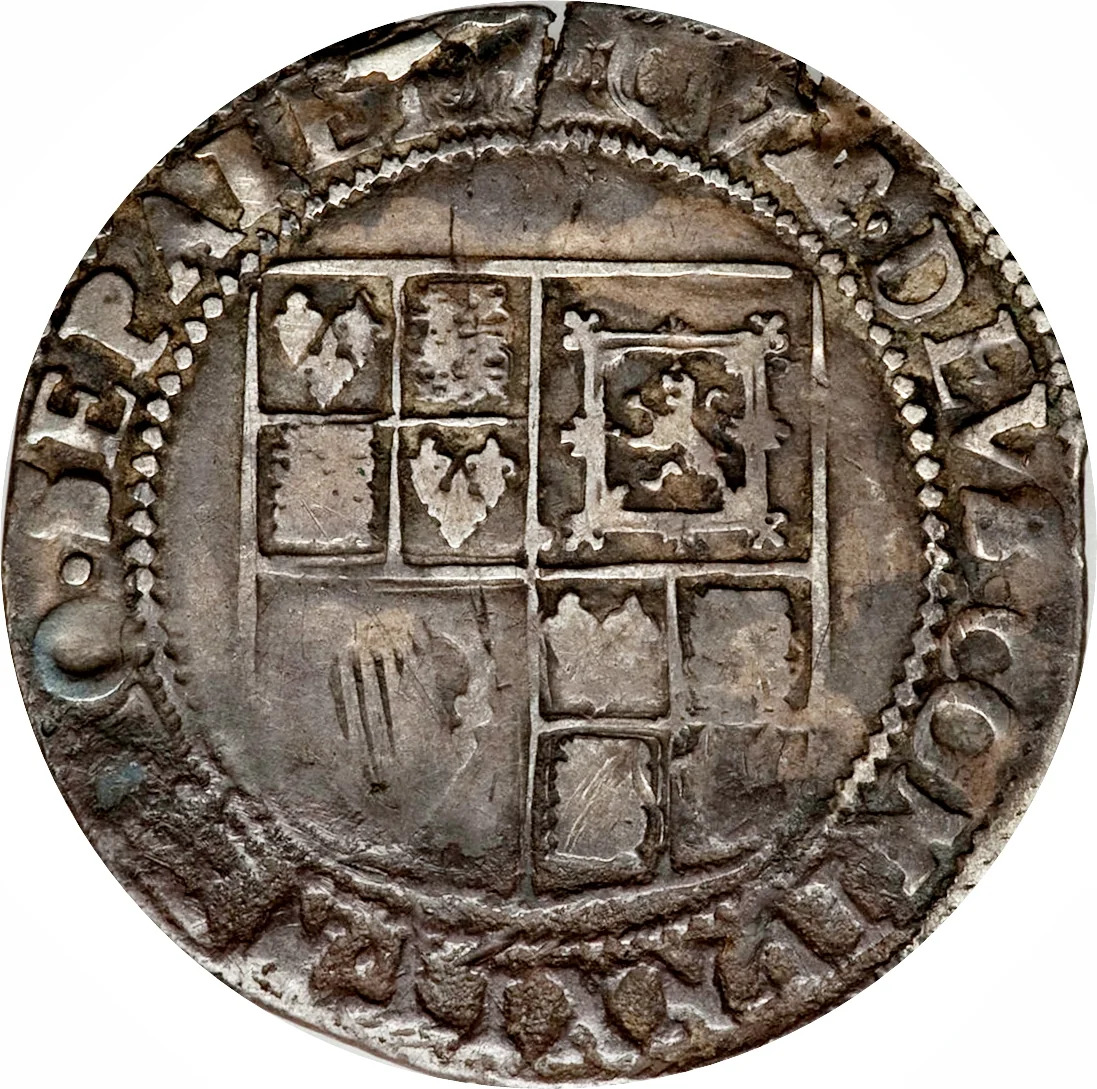
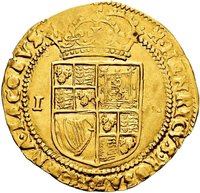
Quartered shield within beaded circle, surrounded by legend.
Inscription:
·QVÆ · DEVS · CONIVNXIT · NEMO · SEPARET
Script: Latin
Edge
Plain
Categories
| Animal> Feline |
| Symbols> Coat of Arms |
Mintings
| Year | Mint Mark | Mintage | Quality | Collection |
|---|---|---|---|---|
| — | — | — | ||
| 1613 | — | — |
Historical background
In 1607, England operated under a bimetallic currency system based on silver and gold, with the silver penny as the foundational unit. The most common coins in daily circulation were the silver shilling (12 pence), the sixpence, and the gold sovereign (worth 20 shillings). However, the realm was in the grip of a severe monetary crisis. Decades of currency debasement in Europe, combined with the outflow of English silver to pay for imports from the East, had led to a chronic shortage of good, full-weight coin. This was exacerbated by "clipping" (shaving metal from coin edges) and counterfeiting, which eroded public trust in the currency's value.
The government of King James I, who had unified the English and Scottish crowns in 1603, was acutely aware of the problem. In 1604, a major recoinage project had been initiated under the guidance of the Royal Mint's warden, Sir Thomas Knyvet. The aim was to recall old, worn, and clipped coins and replace them with new, milled-edged currency that was harder to tamper with. By 1607, this complex and expensive process was ongoing, causing temporary dislocation but promising a more stable medium of exchange. The new coins featured a more detailed portrait of the king, symbolising the Crown's direct guarantee of their metallic value.
This currency instability directly impacted the economy and society. It complicated trade, credit, and tax collection, and contributed to price inflation, which particularly burdened the poor. The situation also informed contemporary ventures: the same year, the Virginia Company established the Jamestown settlement. Investors hoped the New World would yield gold and silver to replenish the Crown's coffers, demonstrating how England's monetary needs influenced its early colonial ambitions. Thus, the currency of 1607 was not just a means of transaction but a focal point of state policy and a driver of England's expanding global footprint.
The government of King James I, who had unified the English and Scottish crowns in 1603, was acutely aware of the problem. In 1604, a major recoinage project had been initiated under the guidance of the Royal Mint's warden, Sir Thomas Knyvet. The aim was to recall old, worn, and clipped coins and replace them with new, milled-edged currency that was harder to tamper with. By 1607, this complex and expensive process was ongoing, causing temporary dislocation but promising a more stable medium of exchange. The new coins featured a more detailed portrait of the king, symbolising the Crown's direct guarantee of their metallic value.
This currency instability directly impacted the economy and society. It complicated trade, credit, and tax collection, and contributed to price inflation, which particularly burdened the poor. The situation also informed contemporary ventures: the same year, the Virginia Company established the Jamestown settlement. Investors hoped the New World would yield gold and silver to replenish the Crown's coffers, demonstrating how England's monetary needs influenced its early colonial ambitions. Thus, the currency of 1607 was not just a means of transaction but a focal point of state policy and a driver of England's expanding global footprint.
💎 Extremely Rare