

6 Pence – England
United Kingdom
Context
Years: 1631–1632
Country: United Kingdom 
Issuer: England 
Ruler: Charles I
Currency:
(1158—1970)
Demonetized: Yes
Material
References
KM: #Click to copy to clipboard164
Numista: #52431
Value
Bullion value: $8.59
Obverse
Description:
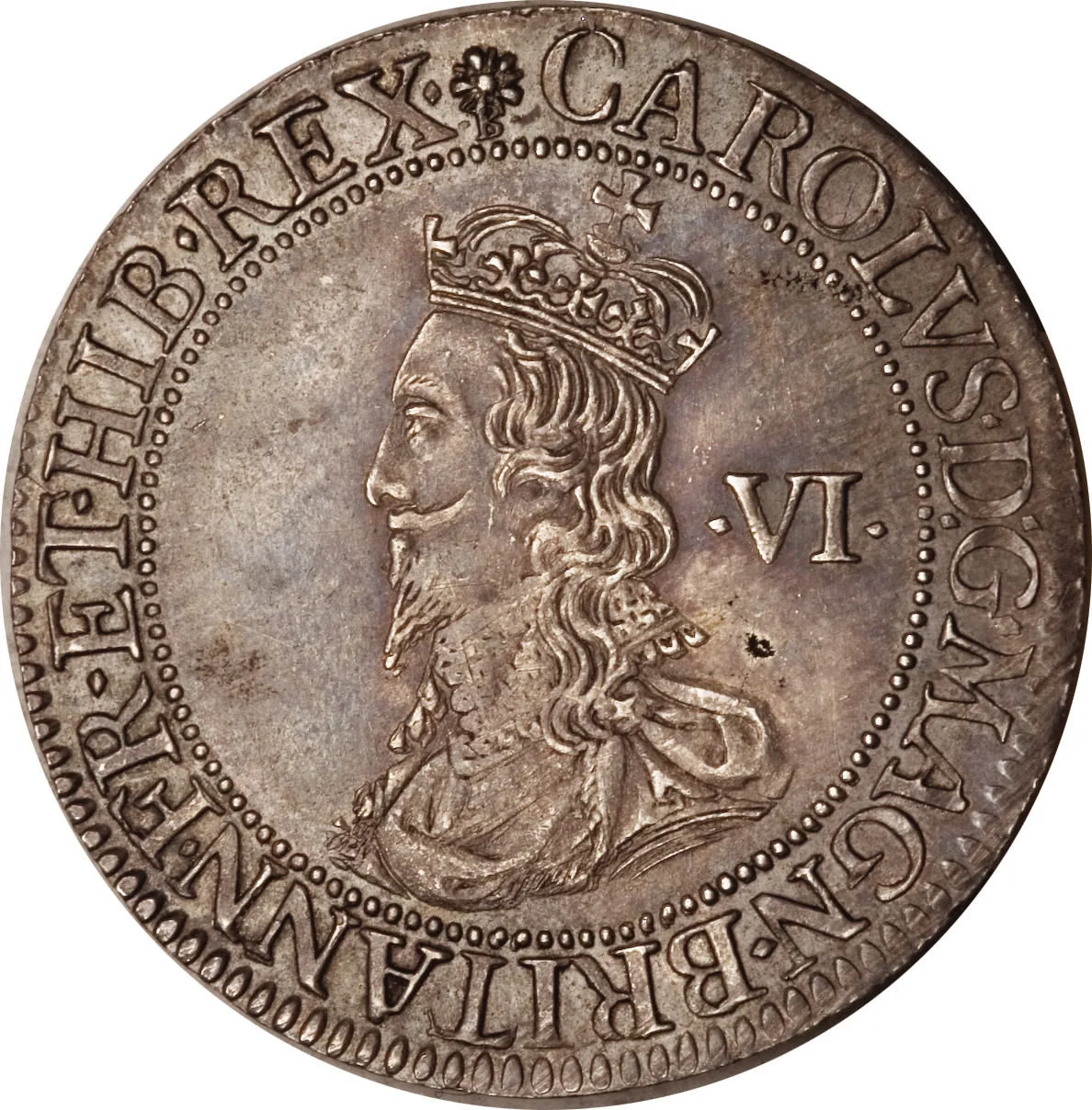
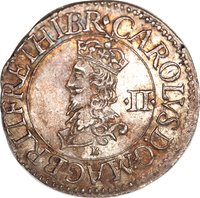
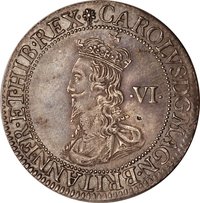
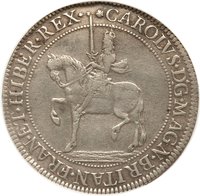
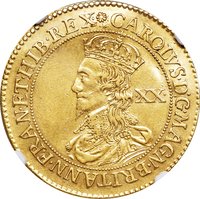
Crowned left bust, legend around, denomination behind.
Inscription:
[mm] CAROLVS·D:G·MAGN·BRITANN·FR·ET·HIB·REX·
Script: Latin
Engraver: Nicholas Briot
Reverse
Description:
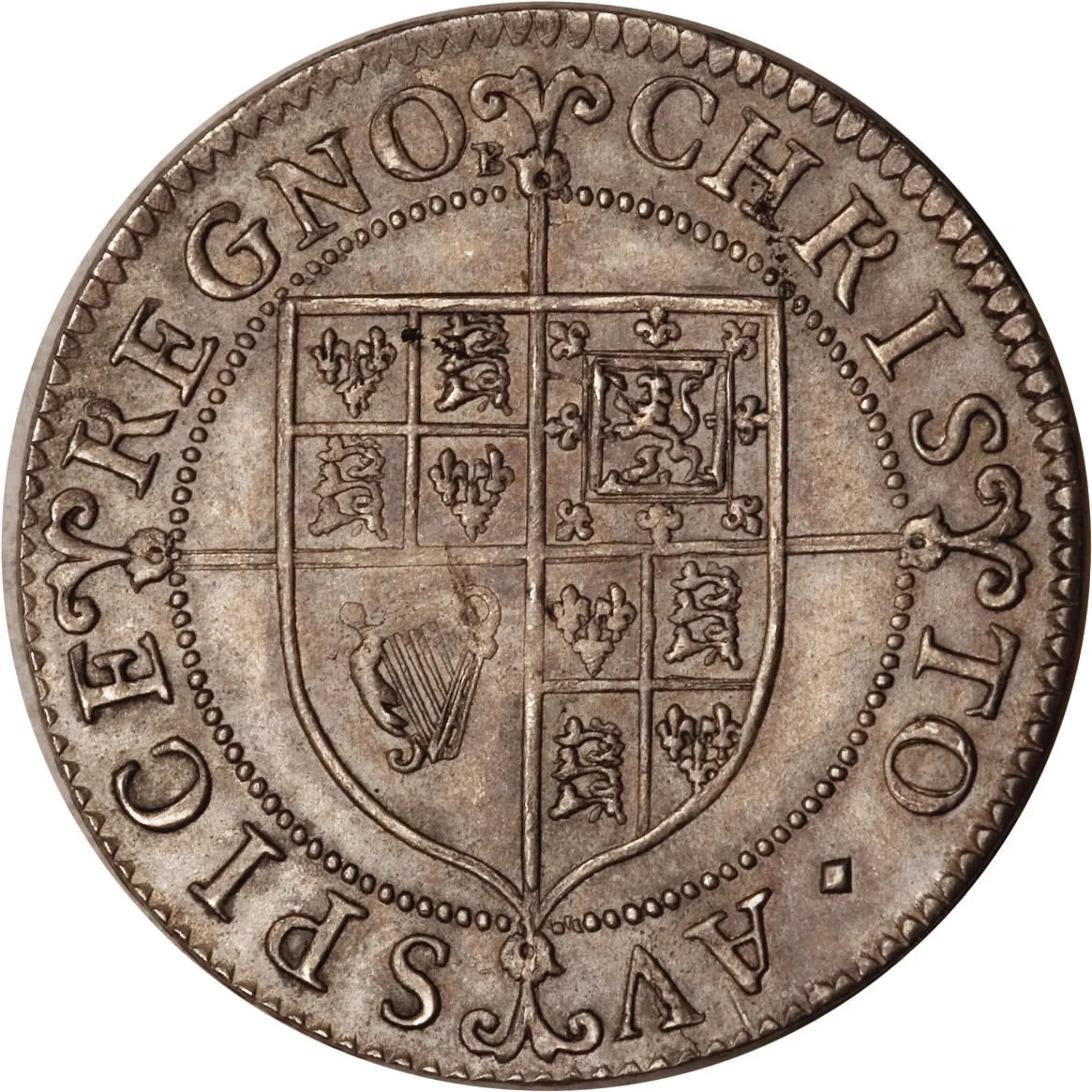
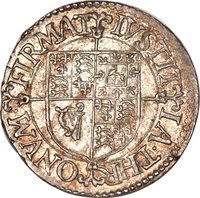
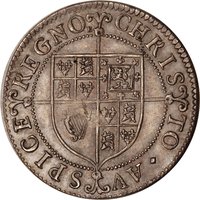
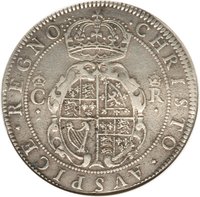
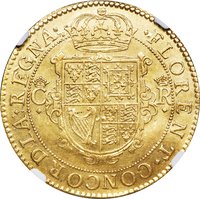
Arms over cross fourchée, encircled by legend.
Inscription:
. AV SPICE REGNO CHRIS TO
Script: Latin
Engraver: Nicholas Briot
Edge
Mintings
| Year | Mint Mark | Mintage | Quality | Collection |
|---|---|---|---|---|
| — | — | — |
Historical background
In 1631, England operated under a bimetallic monetary system, with both silver and gold coins in circulation. The primary unit of account was the pound sterling, subdivided into 20 shillings or 240 pence, but the physical reality was one of severe debasement and scarcity. The coinage, especially the ubiquitous silver penny, was heavily worn, clipped, and often counterfeit, leading to a significant loss of public confidence. This "crying need" for small change hampered everyday trade, as the official mint, the Royal Mint in the Tower of London, was largely inactive and failed to produce sufficient quantities of new, full-weight coinage to meet the demands of a growing economy.
The root of the problem lay in the official mint price for precious metals, which was set too low by the Crown. Consequently, merchants and bullion dealers found it more profitable to export English silver coin to the Continent, where it could be sold for a higher price, or to have it melted down for its bullion value. This chronic outflow of silver, combined with the wear and tear on existing coins, created a severe shortage of sound money. The situation was exacerbated by the government's own financial policies; King Charles I, ruling without Parliament since 1629, was increasingly reliant on controversial and unpopular fiscal expedients like forced loans and the sale of monopolies to raise revenue, rather than addressing the structural flaws in the monetary system.
Consequently, the currency situation in 1631 was one of quiet crisis. While not yet at the level of a national emergency that would trigger immediate reform, it represented a significant friction in the economy, eroding trust and complicating commerce. The shortage of reliable coinage was a persistent grievance among merchants and the public alike, contributing to the underlying economic tensions that would later feed into the political conflicts of the 1640s. The state's inability to provide a sound and stable currency was a telling symptom of the wider strains between the Crown's prerogative and the economic needs of the nation.
The root of the problem lay in the official mint price for precious metals, which was set too low by the Crown. Consequently, merchants and bullion dealers found it more profitable to export English silver coin to the Continent, where it could be sold for a higher price, or to have it melted down for its bullion value. This chronic outflow of silver, combined with the wear and tear on existing coins, created a severe shortage of sound money. The situation was exacerbated by the government's own financial policies; King Charles I, ruling without Parliament since 1629, was increasingly reliant on controversial and unpopular fiscal expedients like forced loans and the sale of monopolies to raise revenue, rather than addressing the structural flaws in the monetary system.
Consequently, the currency situation in 1631 was one of quiet crisis. While not yet at the level of a national emergency that would trigger immediate reform, it represented a significant friction in the economy, eroding trust and complicating commerce. The shortage of reliable coinage was a persistent grievance among merchants and the public alike, contributing to the underlying economic tensions that would later feed into the political conflicts of the 1640s. The state's inability to provide a sound and stable currency was a telling symptom of the wider strains between the Crown's prerogative and the economic needs of the nation.
Series: 1631 England circulation coins
✨ Legendary