

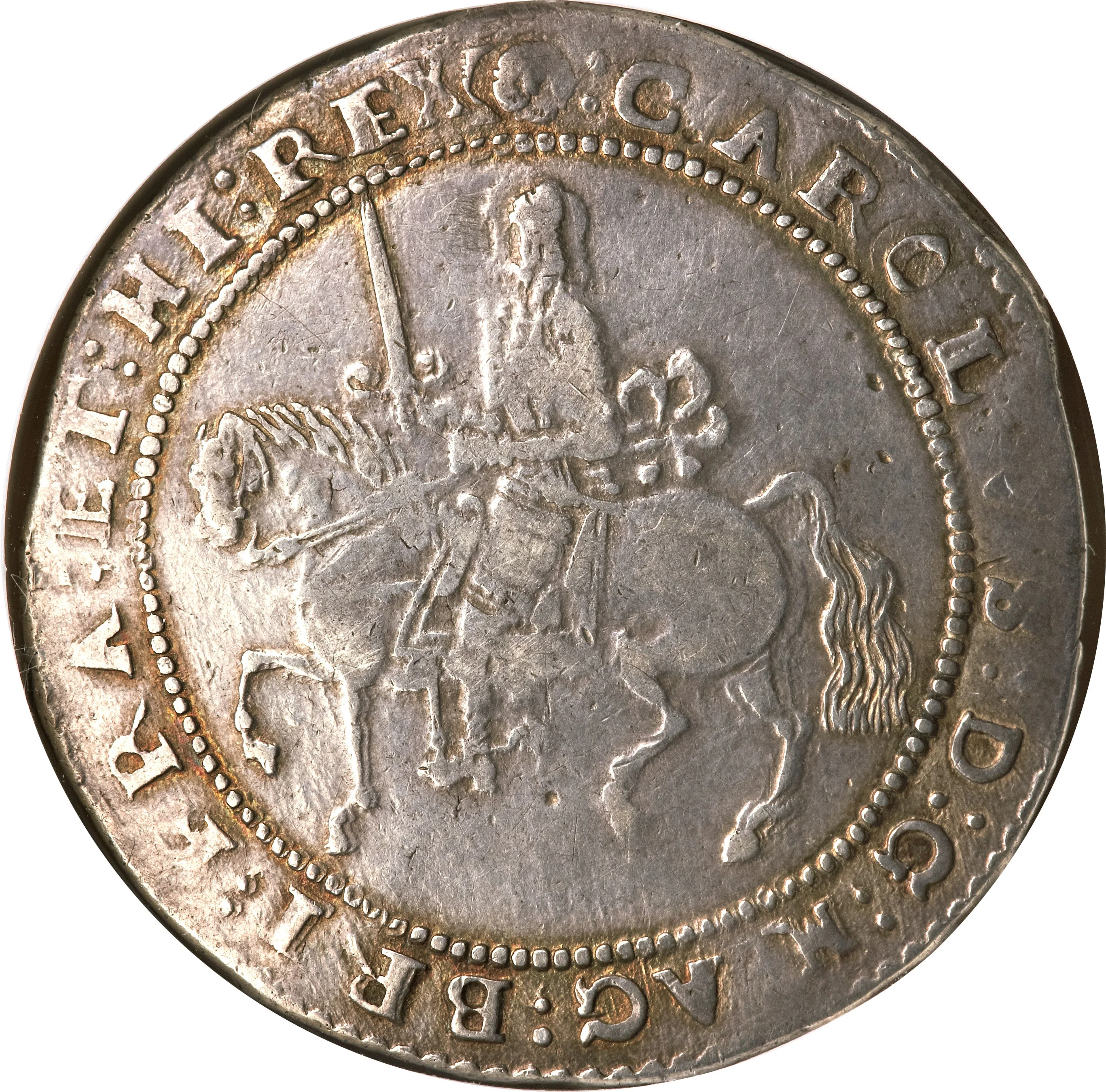
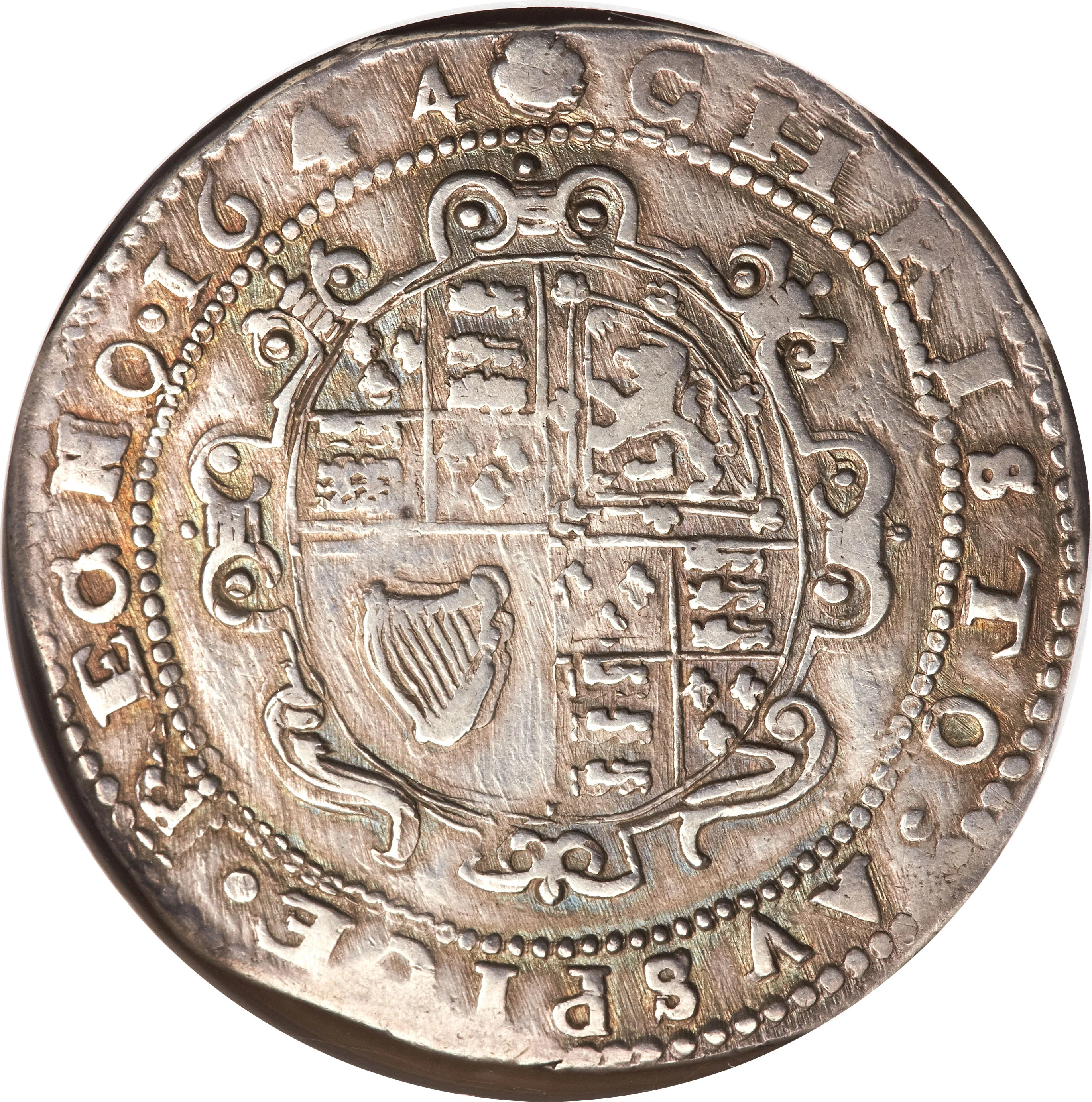
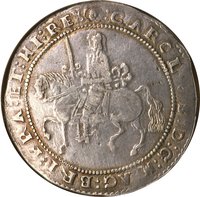
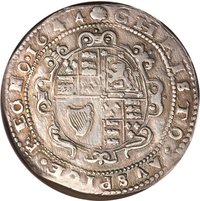
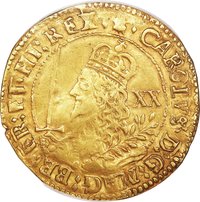
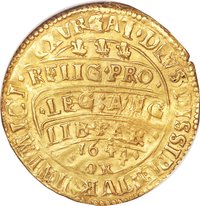
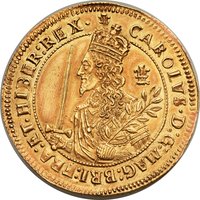
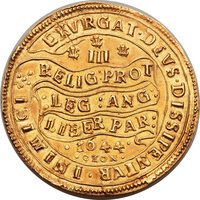
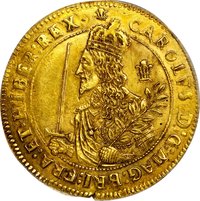
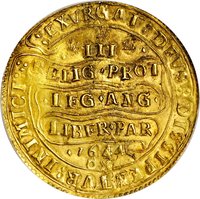
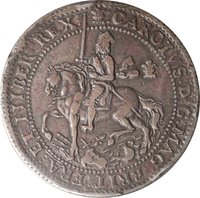
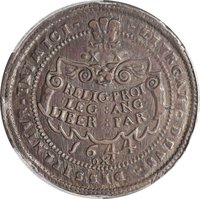
1 Crown – England
United Kingdom
Context
Year: 1644
Country: United Kingdom 
Issuer: England 
Ruler: Charles I
Currency:
(1158—1970)
Demonetized: Yes
References
KM: #Click to copy to clipboard334.2
Numista: #52421
Mints
| Name | Mark |
|---|---|
| Exeter | — |
Mintings
| Year | Mint Mark | Mintage | Quality | Collection |
|---|---|---|---|---|
| 1644 | — | — |
Historical background
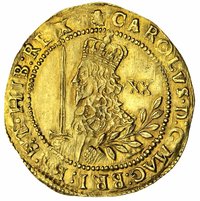
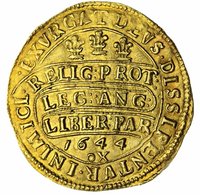
In 1644, England was in the midst of the First English Civil War, a conflict that placed immense strain on the nation's financial systems. The traditional royal minting system, centred on the Tower of London, was severely disrupted. Crucially, the King had lost control of London and its mint to Parliament in 1642, depriving him of the primary source of official coinage. This forced both sides to resort to emergency measures to fund their armies, leading to a fractured and chaotic monetary landscape.
The most significant development was the widespread melting of silver plate to produce coin. Both Parliament and the Royalists established provincial mints, such as those at York, Oxford, and Shrewsbury, to convert donated or seized plate into shillings and half-crowns. These "Civil War coinages" were often crudely struck and of variable weight and fineness, undermining public trust. Furthermore, the scarcity of small change became acute, leading to the use of heavily worn "hammered" coins from earlier reigns, as well as illegal tokens and foreign currency in daily transactions.
This period marked the beginning of the end for England's ancient hammered coinage. The financial pressures of the war, combined with rampant clipping and counterfeiting of the soft silver coins, exposed the system's vulnerabilities. These experiences would directly lead to the mechanised "milled" coinage introduced under Parliament's authority after 1649 and, ultimately, the Great Recoinage of 1696. Thus, 1644 represents a pivotal year of monetary crisis and ad-hoc solutions born from wartime necessity.
The most significant development was the widespread melting of silver plate to produce coin. Both Parliament and the Royalists established provincial mints, such as those at York, Oxford, and Shrewsbury, to convert donated or seized plate into shillings and half-crowns. These "Civil War coinages" were often crudely struck and of variable weight and fineness, undermining public trust. Furthermore, the scarcity of small change became acute, leading to the use of heavily worn "hammered" coins from earlier reigns, as well as illegal tokens and foreign currency in daily transactions.
This period marked the beginning of the end for England's ancient hammered coinage. The financial pressures of the war, combined with rampant clipping and counterfeiting of the soft silver coins, exposed the system's vulnerabilities. These experiences would directly lead to the mechanised "milled" coinage introduced under Parliament's authority after 1649 and, ultimately, the Great Recoinage of 1696. Thus, 1644 represents a pivotal year of monetary crisis and ad-hoc solutions born from wartime necessity.
Series: 1644 England circulation coins
✨ Legendary