

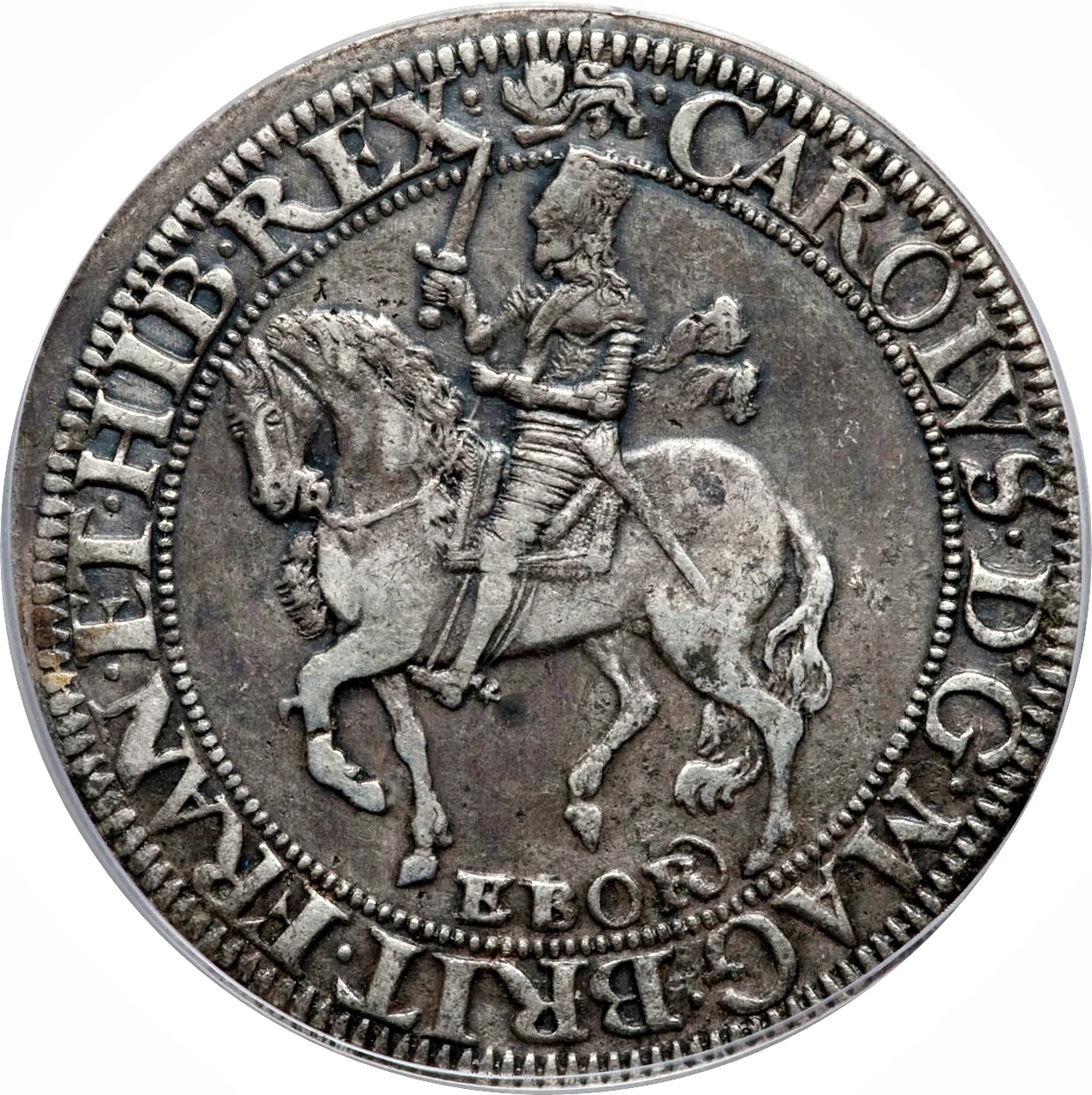
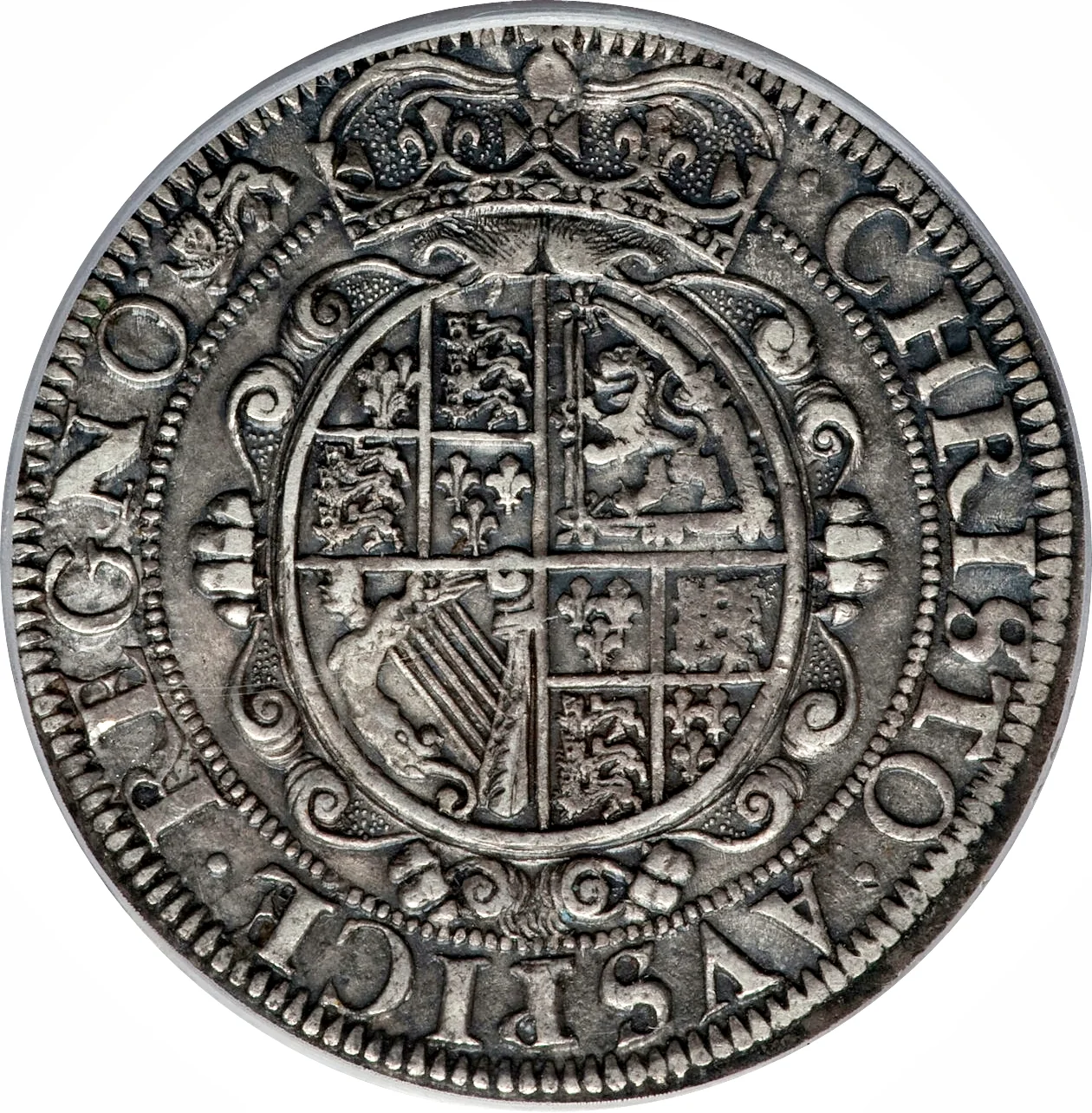
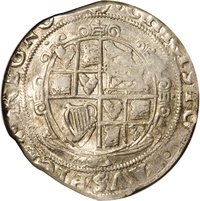
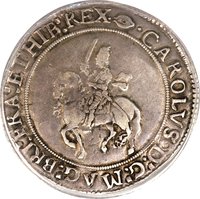
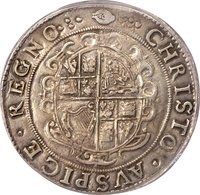
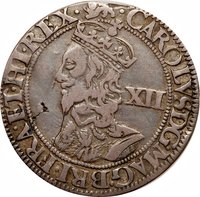
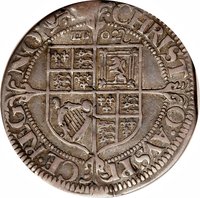
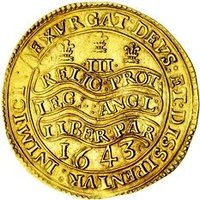
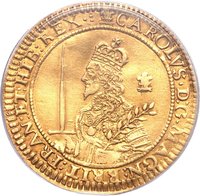
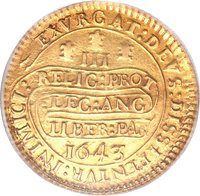
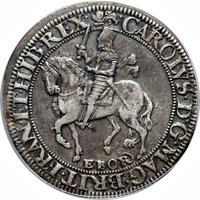
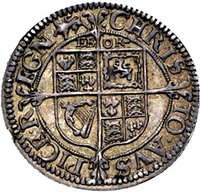
½ Crown – England
United Kingdom
Context
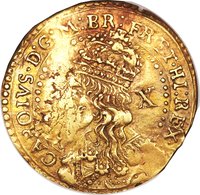
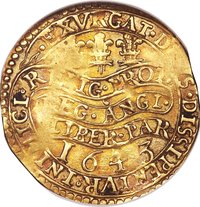
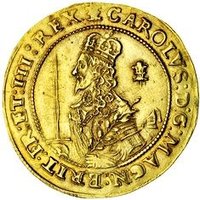
Years: 1643–1644
Country: United Kingdom 
Issuer: England 
Ruler: Charles I
Currency:
(1158—1970)
Demonetized: Yes
Material
References
KM: #Click to copy to clipboard313
Numista: #52397
Value
Bullion value: $40.93
Mints
| Name | Mark |
|---|---|
| York | — |
Mintings
| Year | Mint Mark | Mintage | Quality | Collection |
|---|---|---|---|---|
| — | — | — |
Historical background
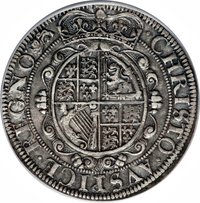
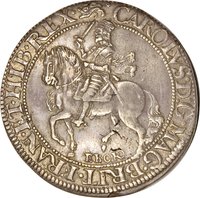
In 1643, England was in the throes of the First English Civil War, a conflict that placed immense strain on the nation's financial systems. The established Royal Mint at the Tower of London remained under Parliamentary control, but the outbreak of war disrupted the normal flow of bullion and severely hampered its operations. Both King Charles I, based in Oxford, and Parliament in London faced the urgent and colossal expense of raising and supplying armies, leading to a critical shortage of ready coin for soldiers' pay and supplies. This fiscal crisis forced both sides to resort to emergency measures that debased the traditional currency.
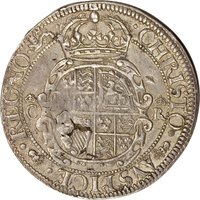
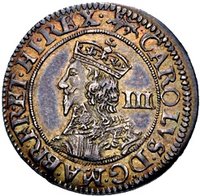
The most significant development was the creation of emergency coinage by the Royalist side. With access to the official mint severed, Charles I established a series of temporary mints, most famously at Oxford, Shrewsbury, and Bristol. Lacking sufficient precious metal, these mints produced coins from melted-down plate donated by supporters, including silver from Oxford colleges. The haste and circumstances of their production meant these issues, particularly the famous "Oxford Crowns," were often of crude, hammered quality. More critically, to stretch resources, their silver content was frequently below the official sterling standard, effectively creating a debased currency within Royalist territories.
Parliament, while maintaining the official mint, also faced severe liquidity problems. Their primary response was not coinage but the seizure and melting of gold and silver plate from royalists, cathedrals, and even London livery companies to fund their war effort. Furthermore, both sides increasingly relied on promises rather than specie, with Parliament issuing "debentures" (IOUs) and both commandeering supplies with promissory notes. Thus, the currency situation of 1643 was characterised by a fragmentation of monetary authority, a decline in the quality and trustworthiness of circulating coin, and a shift towards fiduciary instruments, laying bare the financial desperation that underpinned the civil war.
The most significant development was the creation of emergency coinage by the Royalist side. With access to the official mint severed, Charles I established a series of temporary mints, most famously at Oxford, Shrewsbury, and Bristol. Lacking sufficient precious metal, these mints produced coins from melted-down plate donated by supporters, including silver from Oxford colleges. The haste and circumstances of their production meant these issues, particularly the famous "Oxford Crowns," were often of crude, hammered quality. More critically, to stretch resources, their silver content was frequently below the official sterling standard, effectively creating a debased currency within Royalist territories.
Parliament, while maintaining the official mint, also faced severe liquidity problems. Their primary response was not coinage but the seizure and melting of gold and silver plate from royalists, cathedrals, and even London livery companies to fund their war effort. Furthermore, both sides increasingly relied on promises rather than specie, with Parliament issuing "debentures" (IOUs) and both commandeering supplies with promissory notes. Thus, the currency situation of 1643 was characterised by a fragmentation of monetary authority, a decline in the quality and trustworthiness of circulating coin, and a shift towards fiduciary instruments, laying bare the financial desperation that underpinned the civil war.
Series: 1643 England circulation coins
✨ Legendary