

2 lariat – Maldives
Add to wishlist
Maldives
Context
Year: 1764
Islamic (Hijri) Year:: 1177
Issuer: Maldives
Ruler: Hasan 'Izz ud-din
Currency:
(1660—1947)
Demonetized: Yes
References
KM: #
Numista: #117847
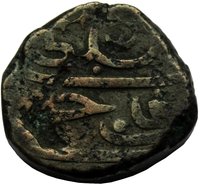
Obverse
Description:
Carved words.
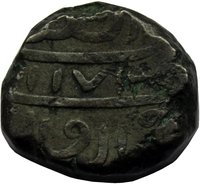
Reverse
Description:
Engraved with date
Inscription:
١١٧٧
Edge
Mintings
| Year | Mint Mark | Mintage | Quality | Collection |
|---|---|---|---|---|
| 1764 | — | — |
Historical background
In 1764, the Maldives operated under a distinct and self-contained monetary system, largely isolated from the global trade in precious metals. The primary currency in circulation was the Larin, a silver wire coin bent into a hook shape that was a legacy of the wider Indian Ocean trade network. However, the most significant and ubiquitous medium of exchange was the cowrie shell (Cypraea moneta), imported in vast quantities from the Maldives' own atolls and from East Africa. These shells, measured in specific quantities like haa (100,000 cowries) and kotta (12,000,000 cowries), formed the bedrock of everyday transactions, taxation, and state treasury reserves.
The economy was not monetized in a modern sense; instead, it functioned on a hybrid system of commodity money and in-kind payments. While cowries serviced local markets and small-scale trade, external commerce with Arab, Indian, and later European traders was conducted through barter or with gold and silver coins obtained through these exchanges. The Sultanate collected its taxes, known as haa and fathiha, largely in cowries and in kind—such as dried fish, coir rope, and woven mats—which were then used to pay civil servants and fund state projects.
This period fell within the long reign of Sultan Hasan 'Izz ud-din (1759-1766), a time of internal consolidation following a period of political instability. There is no historical evidence of a formal mint or a centralized coinage reform in 1764 itself. The currency situation reflected the archipelago's geographic reality: a decentralized island nation where a globally sourced shell currency facilitated local governance and subsistence, while external wealth in precious metals remained concentrated in the hands of the elite and the royal treasury, used for strategic foreign trade and diplomatic gifts.
The economy was not monetized in a modern sense; instead, it functioned on a hybrid system of commodity money and in-kind payments. While cowries serviced local markets and small-scale trade, external commerce with Arab, Indian, and later European traders was conducted through barter or with gold and silver coins obtained through these exchanges. The Sultanate collected its taxes, known as haa and fathiha, largely in cowries and in kind—such as dried fish, coir rope, and woven mats—which were then used to pay civil servants and fund state projects.
This period fell within the long reign of Sultan Hasan 'Izz ud-din (1759-1766), a time of internal consolidation following a period of political instability. There is no historical evidence of a formal mint or a centralized coinage reform in 1764 itself. The currency situation reflected the archipelago's geographic reality: a decentralized island nation where a globally sourced shell currency facilitated local governance and subsistence, while external wealth in precious metals remained concentrated in the hands of the elite and the royal treasury, used for strategic foreign trade and diplomatic gifts.

✨ Legendary