

2 lariat – Maldives
Add to wishlist
Maldives
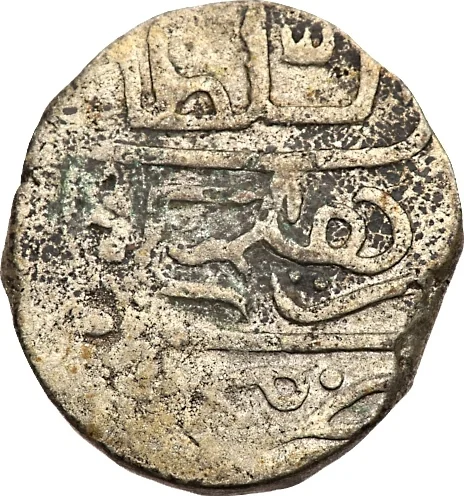
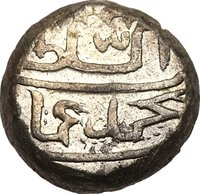
Obverse
Description:
Sultan and mint.
Inscription:
السلطان
ابرهيم سكندر
ضرب محلى
ابرهيم سكندر
ضرب محلى
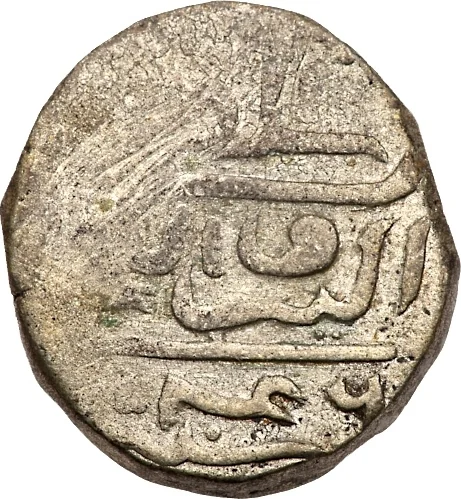
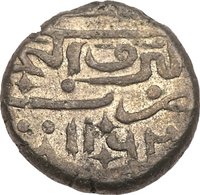
Reverse
Description:
Sultan, [date]
Inscription:
سلطان
البر والبحر
١١۴٦
سنة
البر والبحر
١١۴٦
سنة
Edge
Mintings
| Year | Mint Mark | Mintage | Quality | Collection |
|---|---|---|---|---|
| 1734 | — | — | ||
| 1741 | — | — | ||
| 1741 | — | — | ||
| 1743 | — | — | ||
| 1747 | — | — | ||
| 1750 | — | — |
Historical background
In 1734, the Maldives operated within a complex and fragmented monetary system, heavily influenced by its position as a key node in the Indian Ocean trade network. The official currency, as mandated by the Sultanate in Malé, was the Larin, a silver wire coin bent into a hook shape that was widely recognized across the region from Persia to Ceylon. However, the economy was not monetized uniformly; many outer atolls and islands still relied on a traditional barter system, exchanging dried fish (Maldive fish), cowrie shells, and coir rope for essential goods.
The circulation of foreign coinage was extensive and arguably more dominant than the domestic Larin. Due to centuries of trade, Portuguese Xerafins, Dutch Guilders, and various Indian and Arabian silver coins circulated freely, their value determined by weight and silver purity rather than royal decree. This created a de facto multi-currency environment where merchants and officials needed expertise in assaying and exchanging a bewildering array of specie. The state treasury itself often held its reserves in these foreign currencies, particularly the silver rupees of the Mughal Empire.
This monetary landscape reflected the Maldives' political and economic reality: a central Islamic sultanate with limited coercive power over distant islands, deeply dependent on external trade for revenue and essential imports like rice and cloth. The lack of a strong, unified national currency in 1734 underscored the archipelago's vulnerability to shifts in regional trade flows and the value of foreign silver, making its economy sensitive to events far beyond its coral shores.
The circulation of foreign coinage was extensive and arguably more dominant than the domestic Larin. Due to centuries of trade, Portuguese Xerafins, Dutch Guilders, and various Indian and Arabian silver coins circulated freely, their value determined by weight and silver purity rather than royal decree. This created a de facto multi-currency environment where merchants and officials needed expertise in assaying and exchanging a bewildering array of specie. The state treasury itself often held its reserves in these foreign currencies, particularly the silver rupees of the Mughal Empire.
This monetary landscape reflected the Maldives' political and economic reality: a central Islamic sultanate with limited coercive power over distant islands, deeply dependent on external trade for revenue and essential imports like rice and cloth. The lack of a strong, unified national currency in 1734 underscored the archipelago's vulnerability to shifts in regional trade flows and the value of foreign silver, making its economy sensitive to events far beyond its coral shores.
✨ Legendary