

1 ducat – Norway
Add to wishlist
Norway
Obverse
Description:
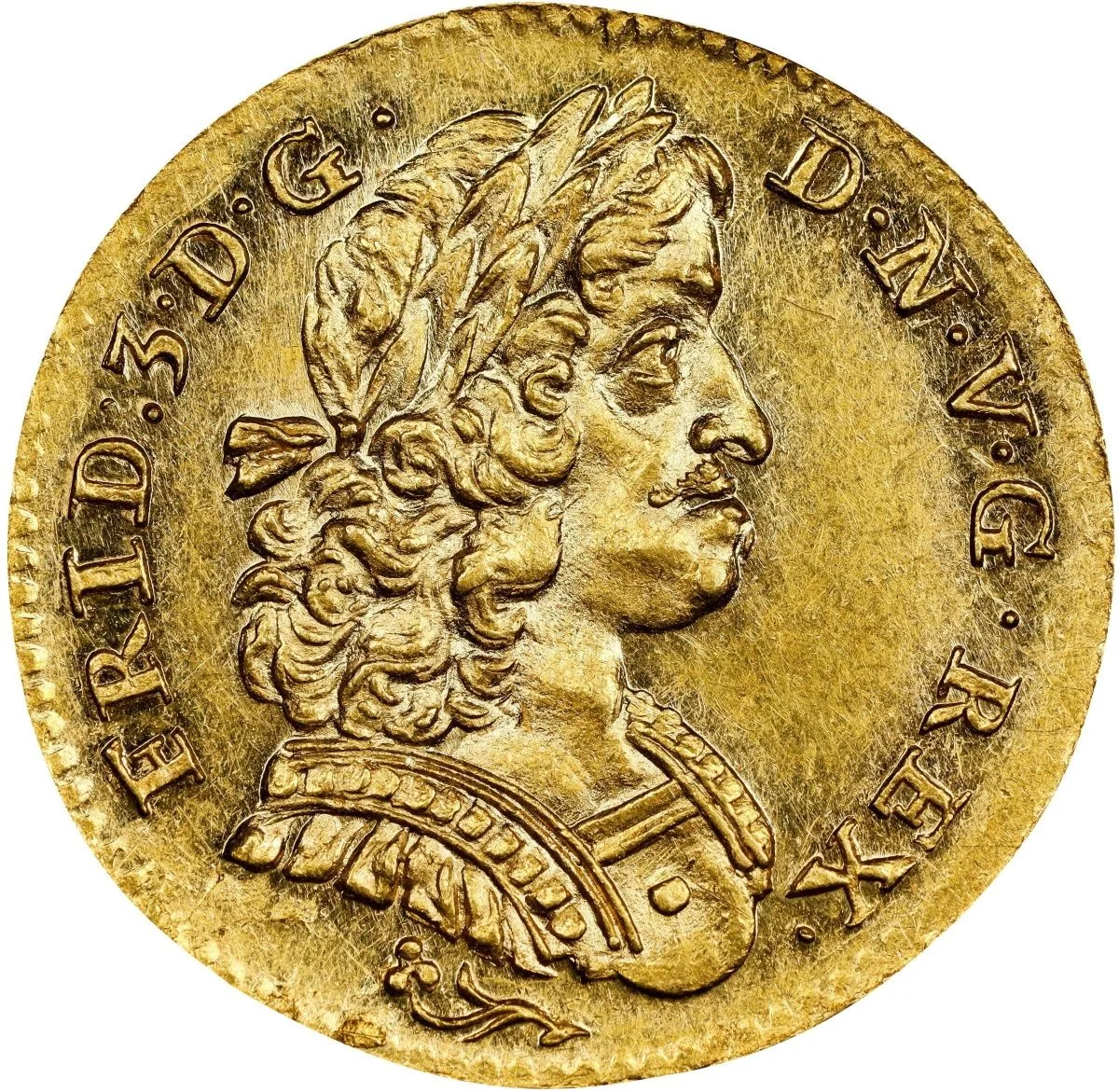
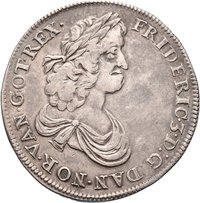
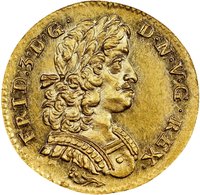
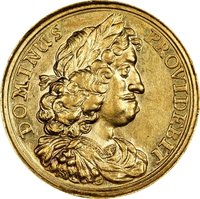
Bust of Frederik III with laurel wreath, facing right. Inscription surrounding. Beaded rim.
Inscription:
FRID:3·D·G·D·N·V·G·REX·
Script: Latin
Reverse
Description:
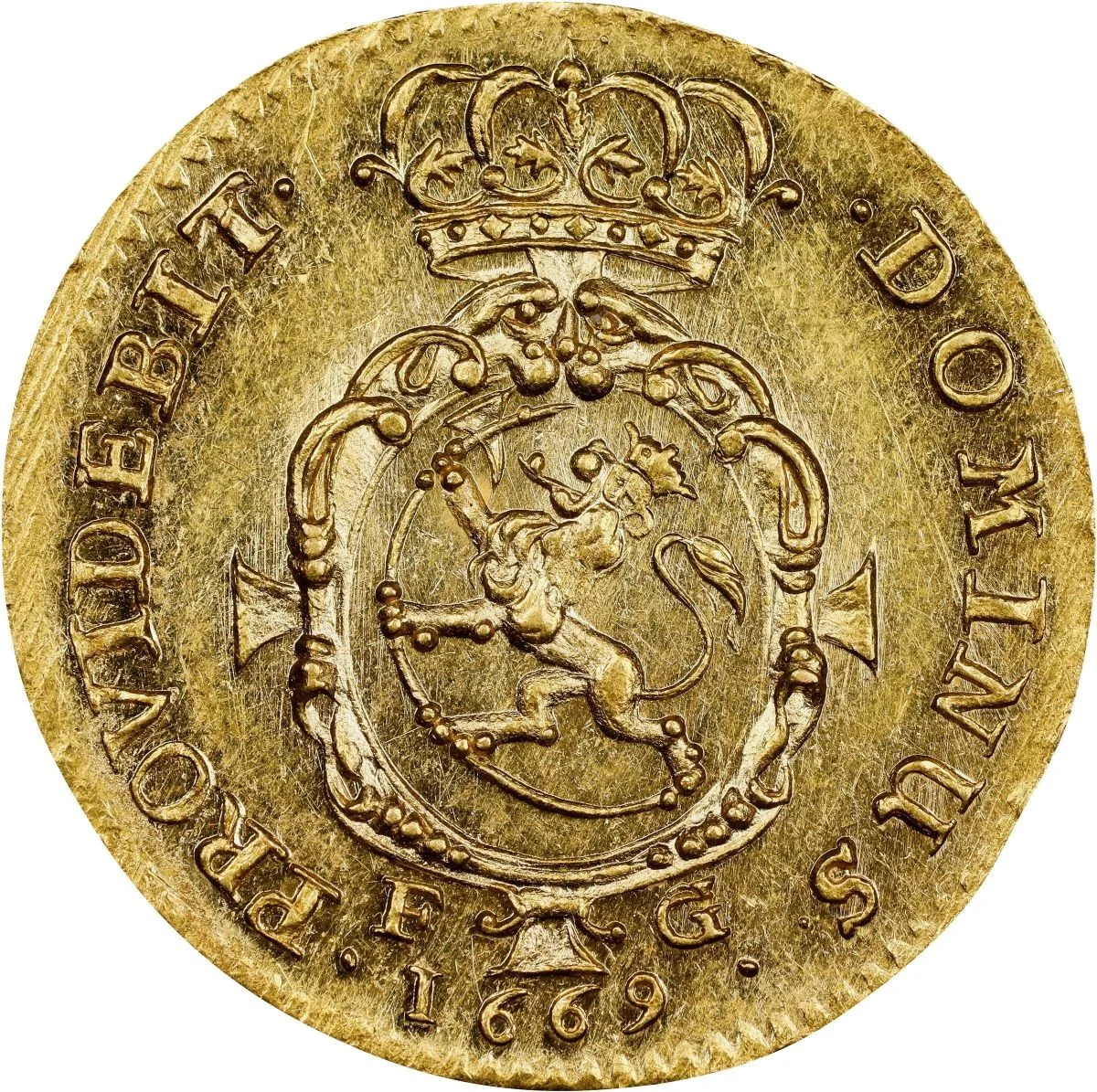
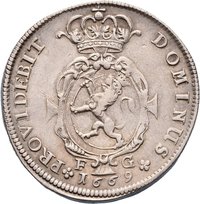
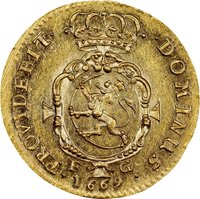
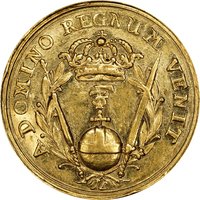
Crowned lion holding an axe, left-facing in an oval shield on a cross. The crowned shield is encircled by an inscription ending in a date, with the mintmaster's initials flanking it. Beaded rim.
Inscription:
·DOMINUS· ·PROVIDEBIT·
F G
1669
F G
1669
Script: Latin
Edge
Plain.
Categories
| Animal |
| Person> Monarch |
| Symbol> Crown |
| Symbols> Coat of Arms |
| Symbol> Cross |
| Object> Cold weapons |
Mints
| Name | Mark |
|---|---|
| Christiania | — |
Mintings
| Year | Mint Mark | Mintage | Quality | Collection |
|---|---|---|---|---|
| 1669 | — | — |
Historical background
In 1669, Norway found itself in a precarious monetary situation, deeply entangled with its political union with Denmark. The two kingdoms shared a currency system, but Norway's economy was fundamentally different, being more reliant on the export of raw materials like timber, fish, and metals. This created a persistent trade imbalance, as Norway imported more finished goods than it exported, leading to a chronic drain of silver coinage out of the country. The circulating currency was a chaotic mix of older Danish-Norwegian coins, clipped and worn from use, alongside a flood of low-quality foreign coins, particularly from the German states, which further undermined confidence in the money supply.
The crisis was exacerbated by the policies of the absolute monarch, King Frederick III of Denmark-Norway. To finance costly wars and centralize royal power, the government had repeatedly debased the currency by reducing the silver content in newly minted coins while mandating they have the same face value. This practice, combined with the outflow of full-weight silver, led to severe inflation and a collapse in public trust. By 1669, the disparity between the intrinsic metal value and the nominal value of coins was stark, disrupting trade and causing significant hardship for ordinary people and merchants alike.
Consequently, 1669 fell within a period of intense monetary experimentation and reform. Just a few years prior, in 1665, the state had attempted a radical re-coinage, and discussions on establishing a national bank were already underway (the Danish-Norwegian Kurantbanken would be founded in 1736). Therefore, the currency situation in 1669 was one of turmoil and transition, characterized by a weak and unreliable coinage, economic strain from the union with Denmark, and a growing recognition that a fundamental restructuring of the monetary system was urgently needed to stabilize the kingdom's economy.
The crisis was exacerbated by the policies of the absolute monarch, King Frederick III of Denmark-Norway. To finance costly wars and centralize royal power, the government had repeatedly debased the currency by reducing the silver content in newly minted coins while mandating they have the same face value. This practice, combined with the outflow of full-weight silver, led to severe inflation and a collapse in public trust. By 1669, the disparity between the intrinsic metal value and the nominal value of coins was stark, disrupting trade and causing significant hardship for ordinary people and merchants alike.
Consequently, 1669 fell within a period of intense monetary experimentation and reform. Just a few years prior, in 1665, the state had attempted a radical re-coinage, and discussions on establishing a national bank were already underway (the Danish-Norwegian Kurantbanken would be founded in 1736). Therefore, the currency situation in 1669 was one of turmoil and transition, characterized by a weak and unreliable coinage, economic strain from the union with Denmark, and a growing recognition that a fundamental restructuring of the monetary system was urgently needed to stabilize the kingdom's economy.
✨ Legendary