

12800 réis – Brazil
Add to wishlist
Brazil
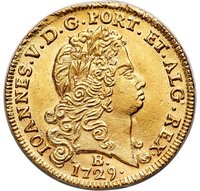
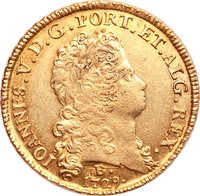
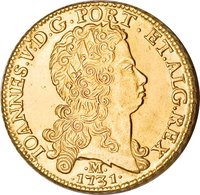
Obverse
Description:
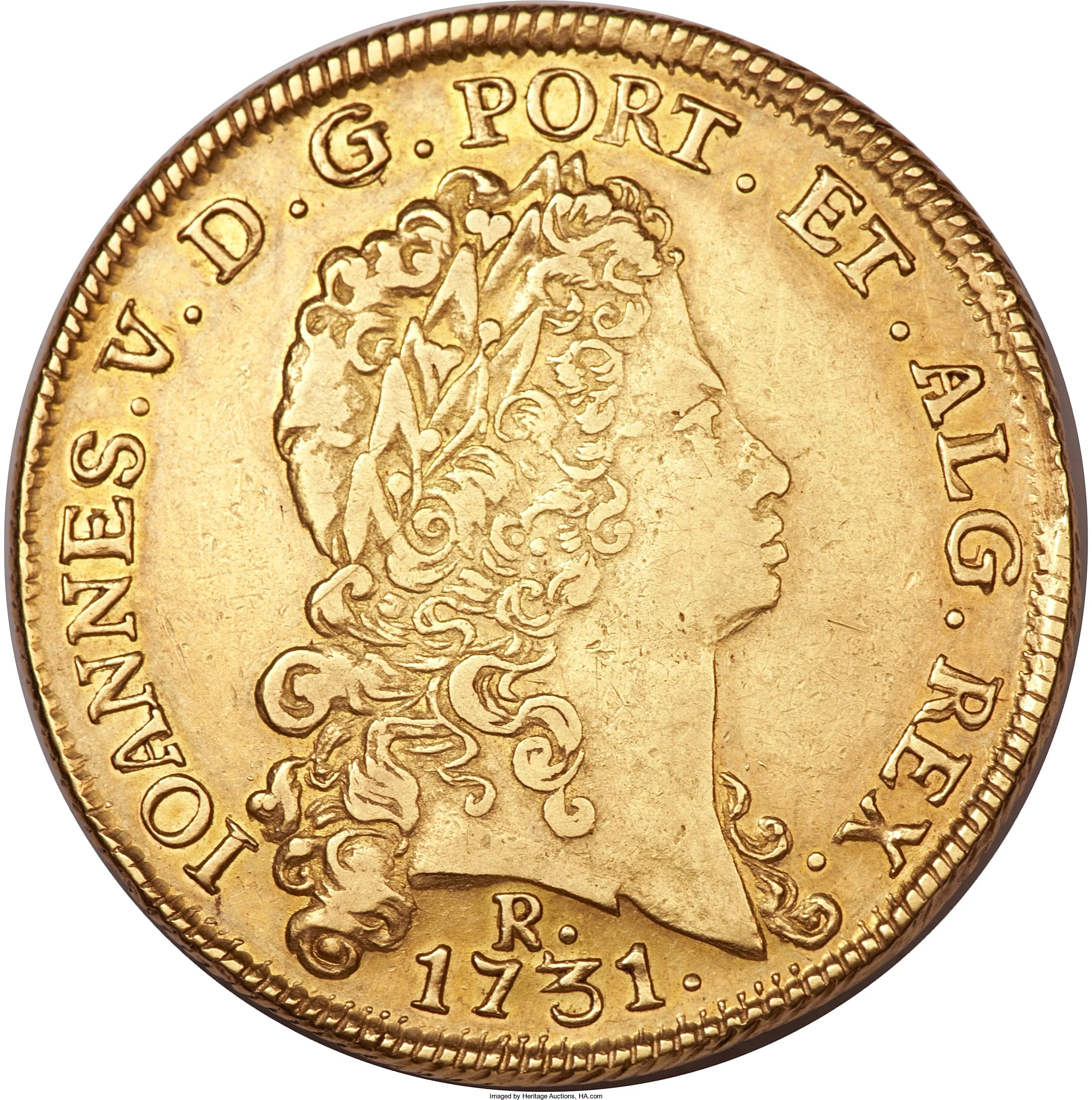
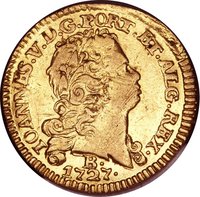
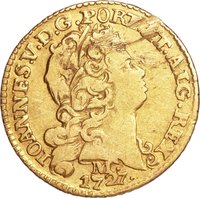
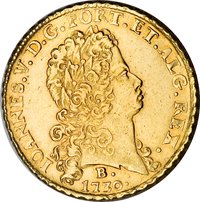
João V bust right, date, and mintmark R.
Inscription:
IOANNES. V. D. G. PORT. ET. ALG. REX.
R
1727
R
1727
Script: Latin
Engraver: Antônio Mengin
Designer: Vieira Lusitano
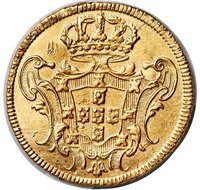
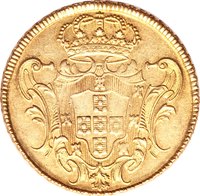
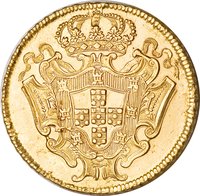
Reverse
Description:
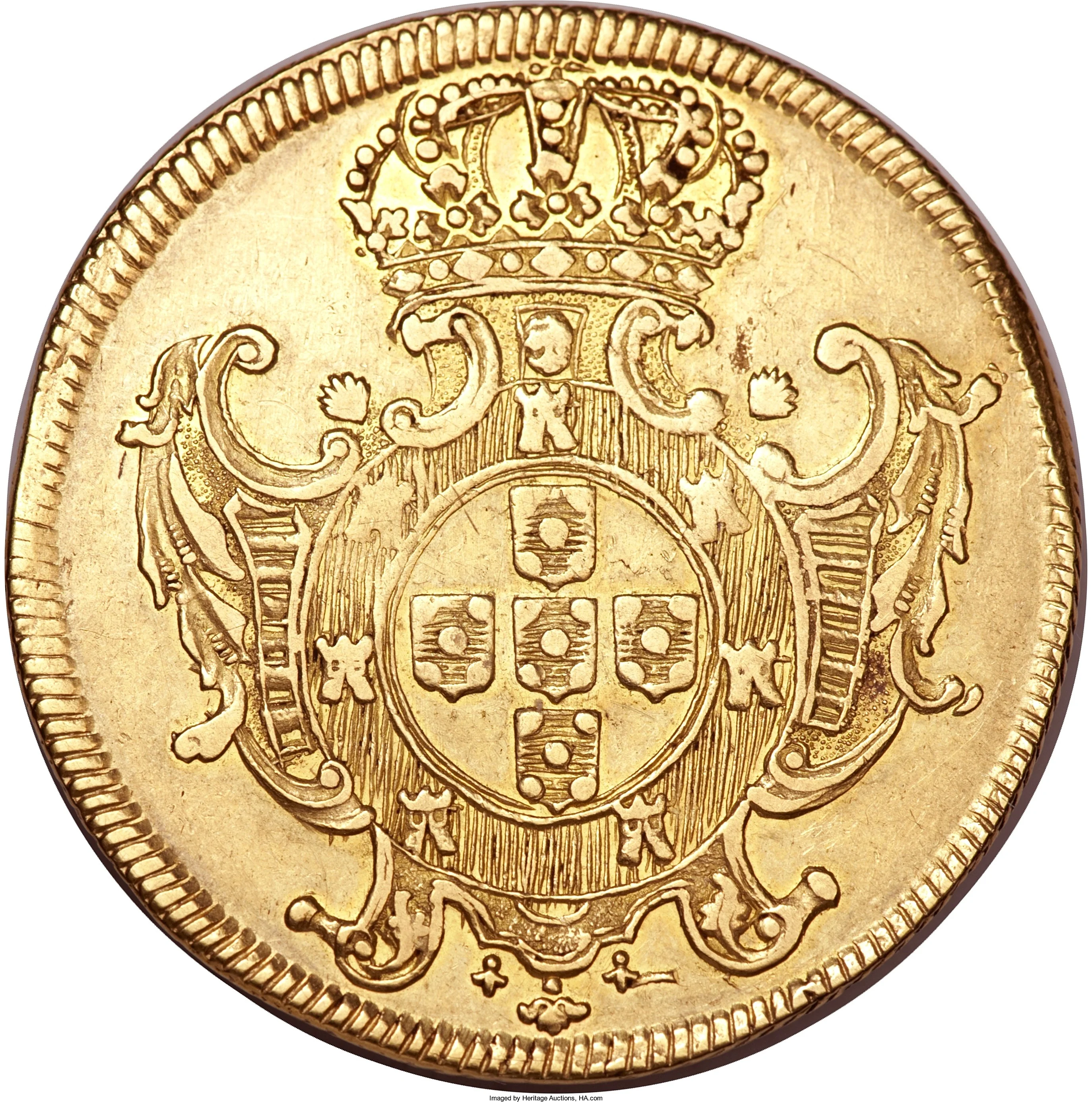
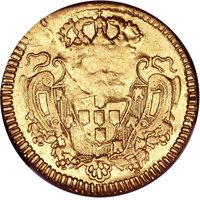
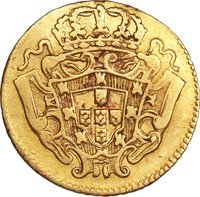
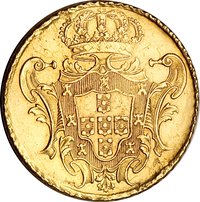
João V's crowned coat of arms.
Edge
Reeded.
Mints
| Name | Mark |
|---|---|
| Casa da Moeda do Brasil | R |
Historical background
In 1727, Brazil's currency situation was defined by scarcity, inconsistency, and the enduring legacy of the gold rush. While the discovery of gold in Minas Gerais at the end of the 17th century had begun to transform the colony's economy, the official minting of gold coinage was still in its infancy. The Casa da Moeda (Mint) had been relocated from Salvador to Rio de Janeiro in 1702 primarily to serve the mining region, but production struggled to keep pace with the booming economic activity. Consequently, the most common circulating medium remained the unstable and overvalued moeda provincial—a clumsy system of stamped silver coins from Spanish America and crude locally produced tokens, whose value was arbitrarily decreed by provincial governors and often fluctuated wildly between regions.
This monetary chaos was compounded by Portugal's mercantilist policies, which actively drained currency from the colony. Large quantities of gold in dust and bar form were smuggled out or officially remitted to Lisbon as the royal "fifth" (the quinto tax), leaving a deficit of circulating coin for daily transactions within Brazil. Furthermore, a severe shortage of small-denomination coins crippled local commerce, forcing communities and merchants to resort to primitive barter or create their own informal substitutes, such as commodity money like sugar, tobacco, or even slaves being used as units of account.
The year 1727 itself fell within a period of mounting pressure for reform. The Portuguese Crown, recognizing the disorder as a hindrance to tax collection and economic control, was actively planning a comprehensive monetary overhaul. This would culminate just a few years later, in 1730, with the implementation of a standardized gold coinage system. Therefore, the currency situation in 1727 represents the turbulent peak of a transitional period—a colony awash in mineral wealth yet starved of reliable coin, poised on the brink of a top-down monetary restructuring imposed by the metropole to harness Brazil's riches for the benefit of the Portuguese Empire.
This monetary chaos was compounded by Portugal's mercantilist policies, which actively drained currency from the colony. Large quantities of gold in dust and bar form were smuggled out or officially remitted to Lisbon as the royal "fifth" (the quinto tax), leaving a deficit of circulating coin for daily transactions within Brazil. Furthermore, a severe shortage of small-denomination coins crippled local commerce, forcing communities and merchants to resort to primitive barter or create their own informal substitutes, such as commodity money like sugar, tobacco, or even slaves being used as units of account.
The year 1727 itself fell within a period of mounting pressure for reform. The Portuguese Crown, recognizing the disorder as a hindrance to tax collection and economic control, was actively planning a comprehensive monetary overhaul. This would culminate just a few years later, in 1730, with the implementation of a standardized gold coinage system. Therefore, the currency situation in 1727 represents the turbulent peak of a transitional period—a colony awash in mineral wealth yet starved of reliable coin, poised on the brink of a top-down monetary restructuring imposed by the metropole to harness Brazil's riches for the benefit of the Portuguese Empire.
Series: Serie of Shields
✨ Legendary