

1 speciedaler – Norway
Add to wishlist
Norway
Context
Material
References
KM: #
Numista: #117147
Value
Bullion value: $63.85
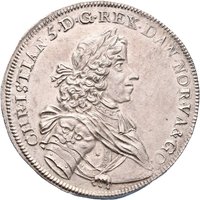
Obverse
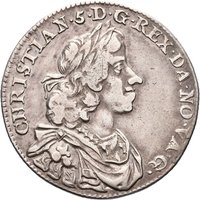
Description:
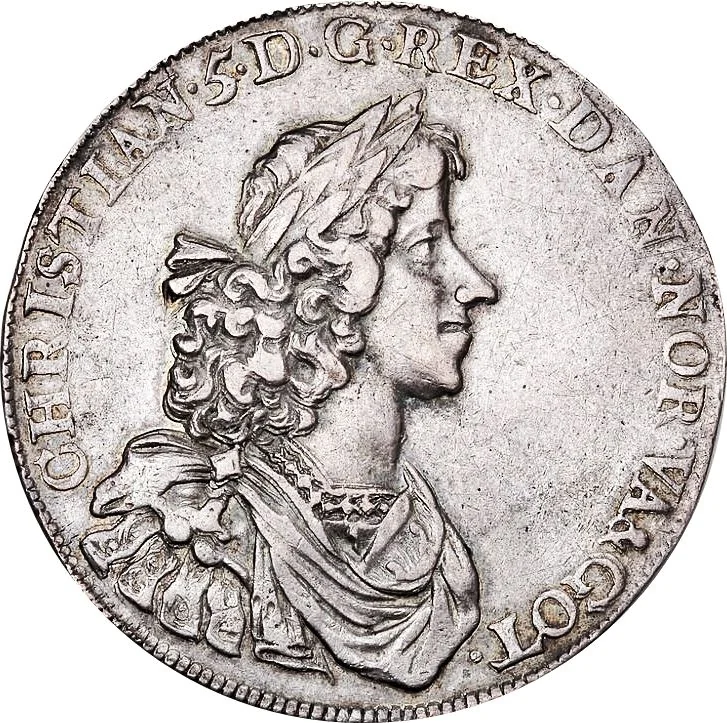
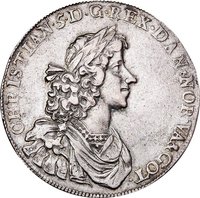
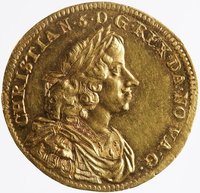
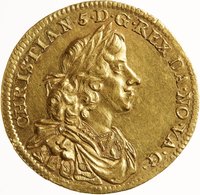
Bust of King Christian V with laurel wreath and long hair, facing right, encircled by an inscription. Rim with beaded ring.
Inscription:
CHRISTIAN·5·D·G·REX·DAN·NOR·VA&GOT·
Script: Latin
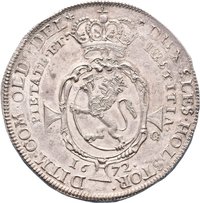
Reverse
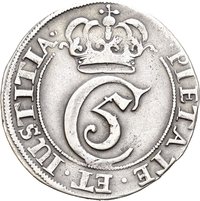
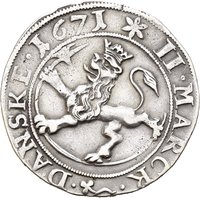
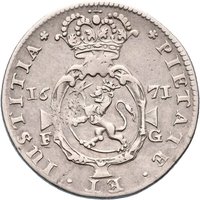
Description:
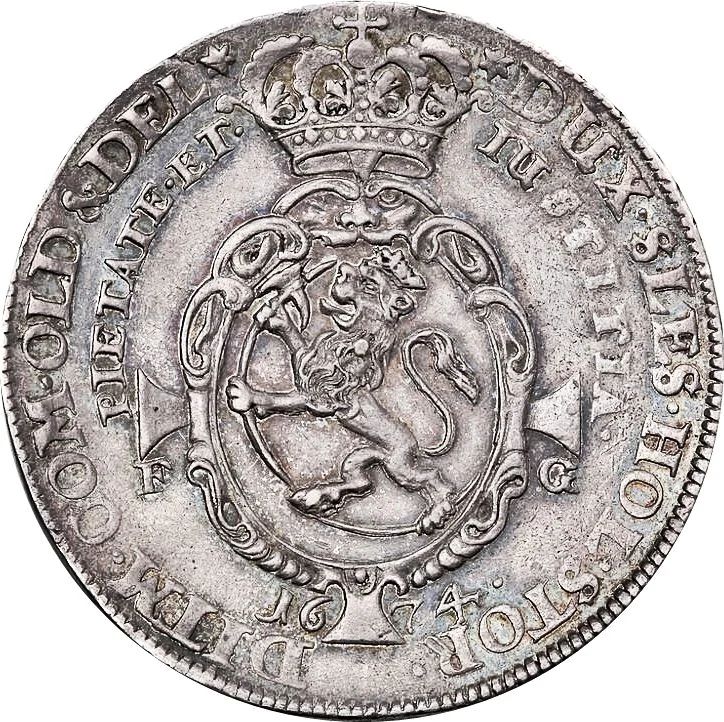
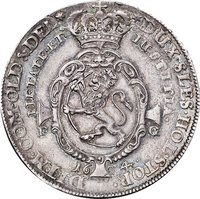
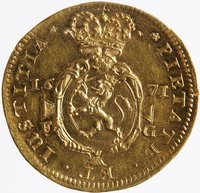
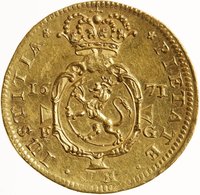
Norwegian lion with axe in crowned oval shield on a cross, flanked by inscriptions. Shield divides initials and date. Beaded rim.
Inscription:
🟌 DUX·SLES·HOL·STOR· DITM·COM·OLD&DEL 🟌
PIETATE·ET· IUSTITIA·
F G
16 74·
PIETATE·ET· IUSTITIA·
F G
16 74·
Script: Latin
Edge
Plain
Mints
| Name | Mark |
|---|---|
| Christiania | — |
Mintings
| Year | Mint Mark | Mintage | Quality | Collection |
|---|---|---|---|---|
| 1671 | — | — | ||
| 1672 | — | — | ||
| 1674 | — | — |
Historical background
In 1671, Norway, then in a union with Denmark under the absolute monarchy of King Christian V, operated within a complex and strained monetary system. The official currency was the Danish rigsdaler, but the circulating medium was a chaotic mix of physical coins, including older Danish and Norwegian issues, as well as a substantial volume of foreign coins from trading partners like the Netherlands and Germany. This proliferation of coins of varying metallic content and origin made commerce difficult and fostered widespread clipping and counterfeiting, eroding public trust in the currency.
The core economic problem was a chronic shortage of high-quality silver coinage, as the undervalued official mint price caused silver to be exported rather than brought to the royal mints. Instead, the state increasingly relied on the production of low-value copper and billon (base metal) coins to facilitate everyday transactions. This created an inflationary pressure and a disconnect between the official accounting system (in silver-daler) and the depreciating coins actually in people's pockets, a situation causing significant hardship for the common population and complicating tax collection.
Recognizing the systemic flaws, the central authorities in Copenhagen were actively planning a major monetary reform, which would culminate in the great recoinage of 1671-1672. This reform aimed to standardize the currency, recall and melt down the old debased coins, and issue new, full-weight silver coins at an adjusted mint price to keep precious metal within the kingdom. Thus, the year 1671 stands as a pivotal moment of transition, marked by monetary disorder but on the cusp of a state-driven attempt to impose order and stability on the Norwegian-Danish economy.
The core economic problem was a chronic shortage of high-quality silver coinage, as the undervalued official mint price caused silver to be exported rather than brought to the royal mints. Instead, the state increasingly relied on the production of low-value copper and billon (base metal) coins to facilitate everyday transactions. This created an inflationary pressure and a disconnect between the official accounting system (in silver-daler) and the depreciating coins actually in people's pockets, a situation causing significant hardship for the common population and complicating tax collection.
Recognizing the systemic flaws, the central authorities in Copenhagen were actively planning a major monetary reform, which would culminate in the great recoinage of 1671-1672. This reform aimed to standardize the currency, recall and melt down the old debased coins, and issue new, full-weight silver coins at an adjusted mint price to keep precious metal within the kingdom. Thus, the year 1671 stands as a pivotal moment of transition, marked by monetary disorder but on the cusp of a state-driven attempt to impose order and stability on the Norwegian-Danish economy.
Series: 1671 Norway circulation coins

✨ Legendary