

½ tanga – Portuguese India
Add to wishlist
India
Context
Years: 1598–1621
Country: India
Issuer: Portuguese India
Ruler: Filipe II
Currency:
(1580—1706)
Subdivision: ½ tanga = 30 Reais
Demonetized: Yes
Material
Diameter: 15 mm
Weight: 1.5 g
Silver Weight:: 1.50 g
Shape: Irregular round
Composition: Silver
Magnetic: No
References
KM: #
Numista: #51854
Value
Bullion value: $3.83
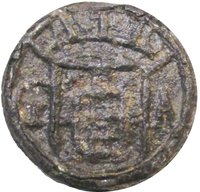
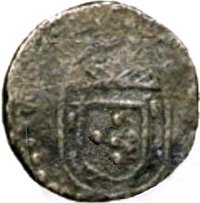
Obverse
Description:
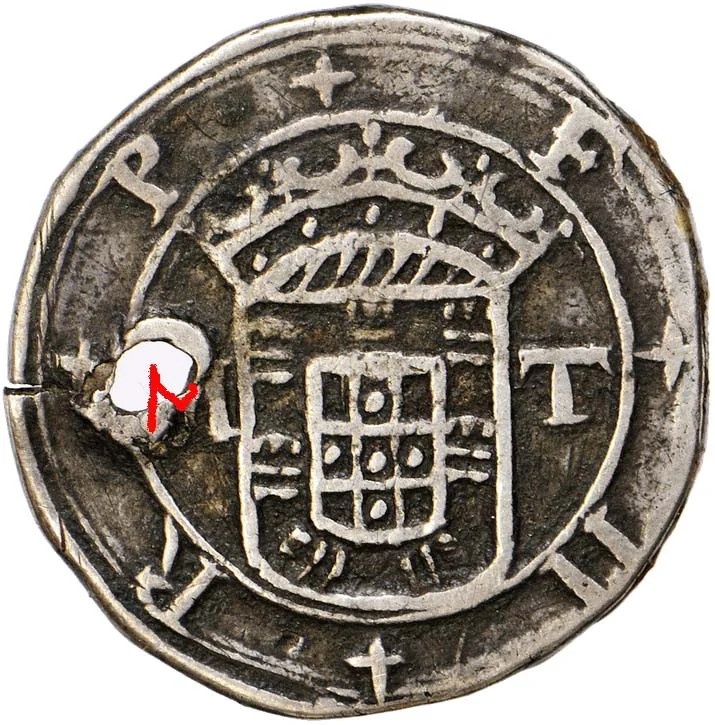
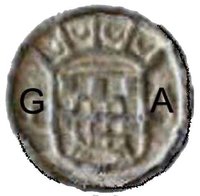
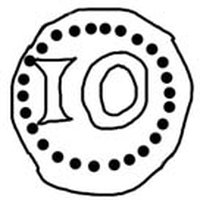
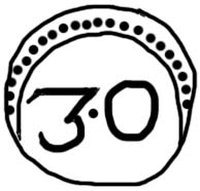
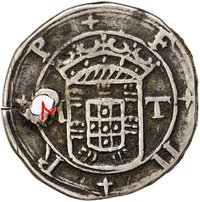
Coat of arms divides value: "HALF ANGA" left, "I-II PORTUGAL" right.
Inscription:
+F+II+R+P
Script: Latin
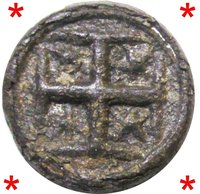
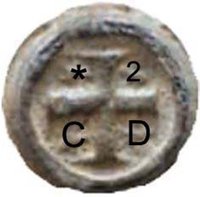
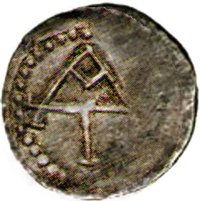
Reverse
Edge
Mintings
| Year | Mint Mark | Mintage | Quality | Collection |
|---|---|---|---|---|
| — | — | — |
Historical background
In 1598, the currency situation in Portuguese India was a complex tapestry of official Portuguese coinage, local and regional currencies, and a chronic shortage of specie that defined economic life in the Estado da Índia. The official currency was the Portuguese real and its higher-value counterpart, the cruzado, minted at the Crown's mint in Goa. However, the supply of these coins was perpetually insufficient to meet the demands of trade, administration, and the vast network of forts and settlements. This scarcity was exacerbated by the constant drain of silver to pay for textiles and spices in intra-Asian trade, leading to a monetary system that was fundamentally unstable and reliant on alternatives.
The daily reality of commerce was dominated by a multitude of foreign coins that circulated freely and authoritatively. The most important of these was the Spanish silver real or "piece of eight" (from the Spanish Empire, often arriving via Manila or the Americas), which served as a de facto international currency. Alongside it, various gold pagodas from neighbouring South Indian kingdoms, particularly the Honda from Vijayanagara, were essential for larger transactions and trade with the interior. The Portuguese administration was forced to acknowledge this reality, regularly issuing official exchange rates (tabelas) to fix the value of these foreign coins against the Portuguese cruzado, a practice that underscored their acceptance as legal tender within their own territories.
This monetary pluralism created significant challenges for the Portuguese Crown, which struggled to assert fiscal control and profit from seigniorage. Counterfeiting was rampant, and the fluctuating values of foreign coins caused market instability. Efforts to solve the currency shortage, such as introducing lead and tin bazarucos for small-scale local trade, often led to inflation and discontent. Thus, in 1598, the currency system was less a symbol of Portuguese power and more a reflection of their pragmatic integration into—and dependence upon—the vibrant and diverse economic world of the Indian Ocean.
The daily reality of commerce was dominated by a multitude of foreign coins that circulated freely and authoritatively. The most important of these was the Spanish silver real or "piece of eight" (from the Spanish Empire, often arriving via Manila or the Americas), which served as a de facto international currency. Alongside it, various gold pagodas from neighbouring South Indian kingdoms, particularly the Honda from Vijayanagara, were essential for larger transactions and trade with the interior. The Portuguese administration was forced to acknowledge this reality, regularly issuing official exchange rates (tabelas) to fix the value of these foreign coins against the Portuguese cruzado, a practice that underscored their acceptance as legal tender within their own territories.
This monetary pluralism created significant challenges for the Portuguese Crown, which struggled to assert fiscal control and profit from seigniorage. Counterfeiting was rampant, and the fluctuating values of foreign coins caused market instability. Efforts to solve the currency shortage, such as introducing lead and tin bazarucos for small-scale local trade, often led to inflation and discontent. Thus, in 1598, the currency system was less a symbol of Portuguese power and more a reflection of their pragmatic integration into—and dependence upon—the vibrant and diverse economic world of the Indian Ocean.


✨ Legendary