

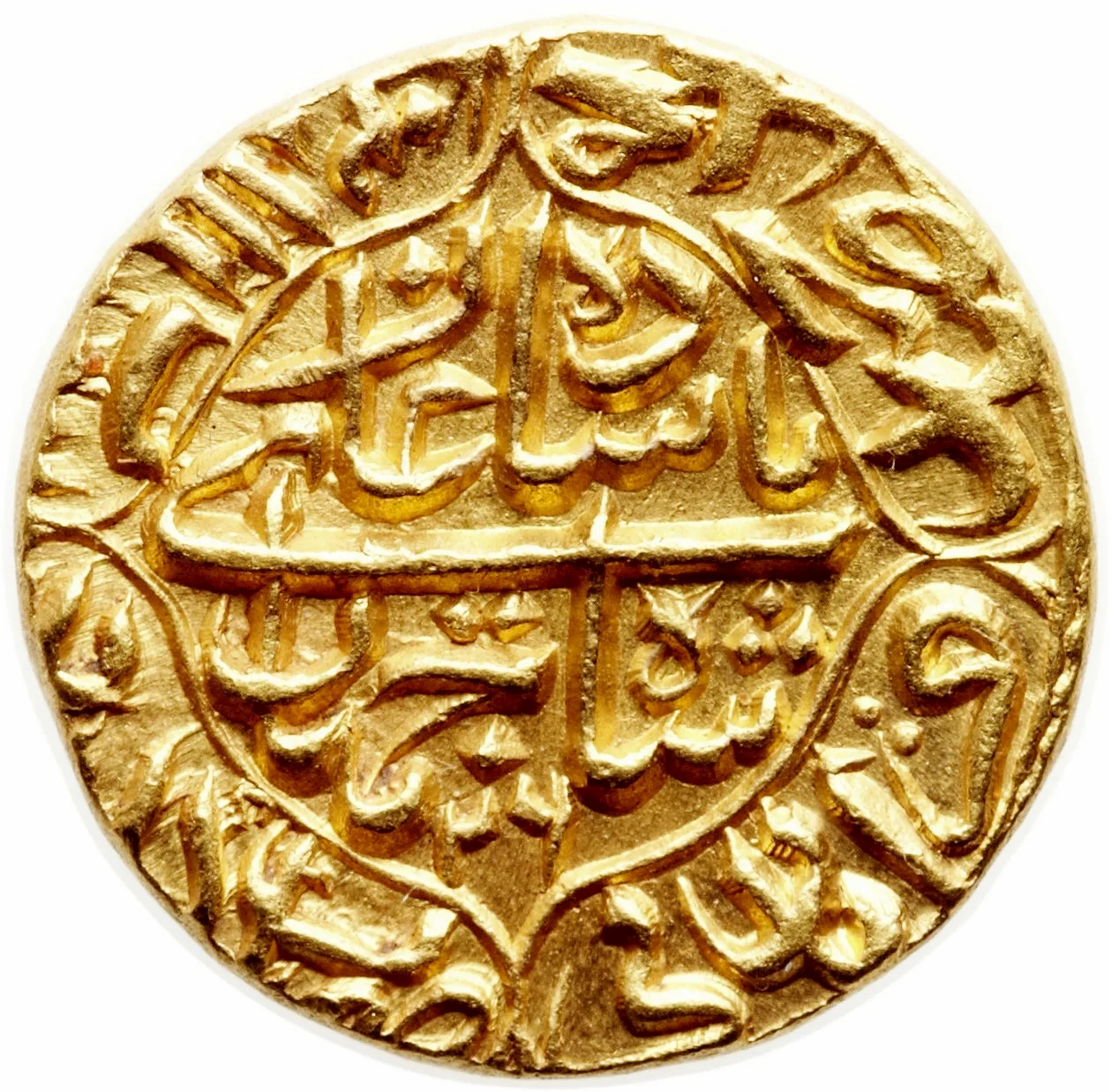
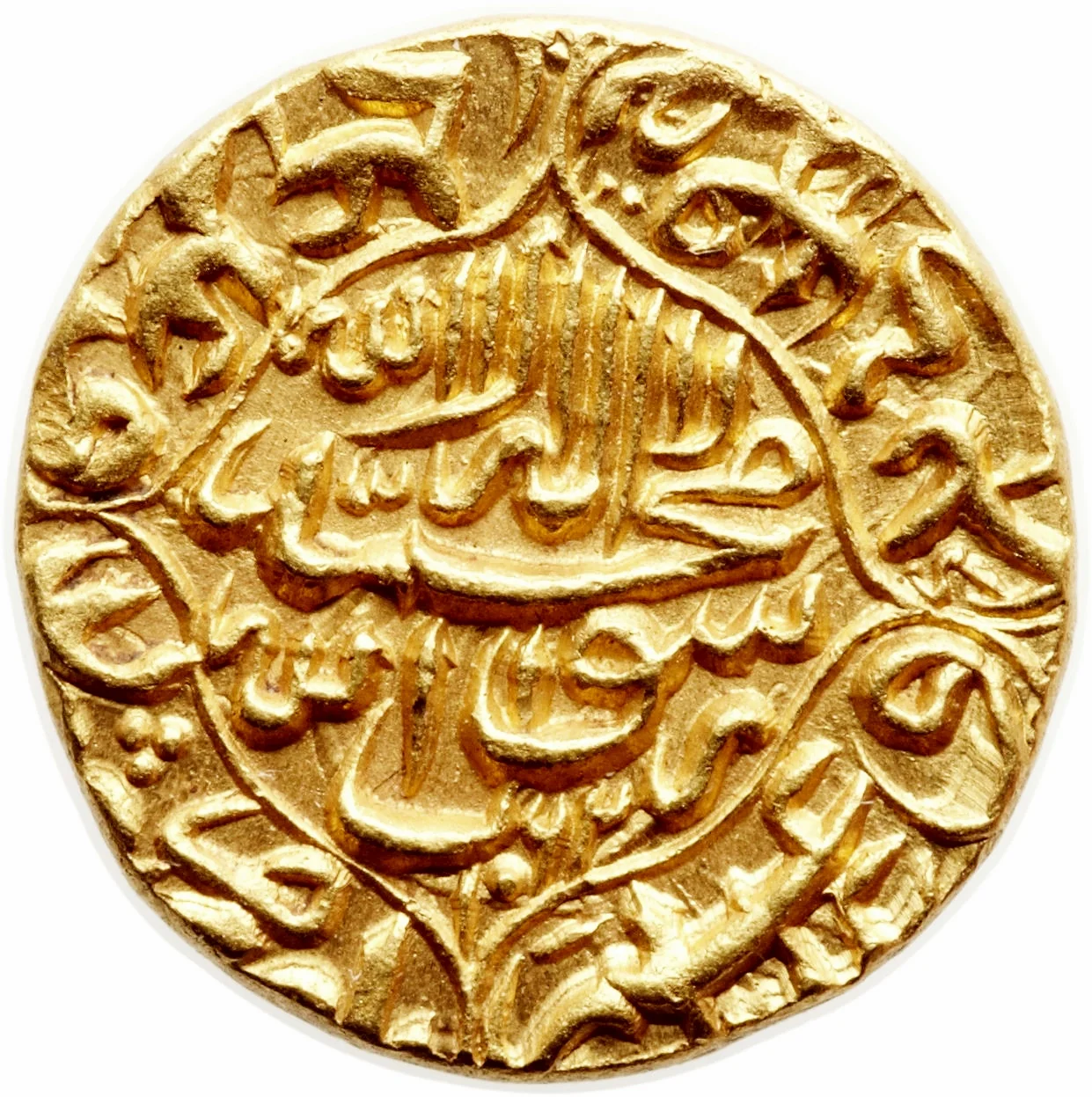
1 Mohur – Mughal Empire
India
Context
Years: 1642–1654
Country: India 
Issuer: Mughal Empire
Ruler: Shah Jahan
Currency:
(1540—1842)
Demonetized: Yes
References
KM: #Click to copy to clipboard258.2
Numista: #50533
Value
Bullion value: $1836.90
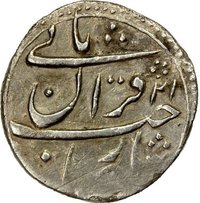
Obverse
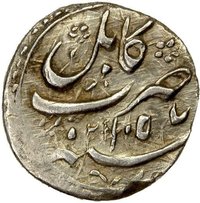
Reverse
Edge
Mintings
| Year | Mint Mark | Mintage | Quality | Collection |
|---|---|---|---|---|
| 1642 | — | — | ||
| 1652 | — | — | ||
| 1654 | — | — |
Historical background
In 1642, the Mughal Empire's currency system under Emperor Shah Jahan was a sophisticated and highly regulated bimetallic standard, centred on the silver rupee and the gold mohur. The state maintained strict control over minting, with major dar al-zarbs (mints) in Lahore, Delhi, Ahmadabad, and Surat producing coins of remarkable purity and consistency. The silver rupee, typically weighing around 11.5 grams and of near-pure fineness, was the primary unit for revenue assessment, large-scale trade, and state expenditure. Its stability was a cornerstone of the imperial economy, facilitating both domestic commerce and vast international trade, particularly with European companies and the Ottoman Empire.
However, this system faced significant external pressure in 1642 due to global bullion flows. A major source of imperial silver was from the New World, arriving via European traders in exchange for Indian textiles and spices. Any disruption in this flow could cause scarcity. Furthermore, the Empire was engaged in protracted and costly military campaigns, notably in the Deccan and Central Asia, which drained the treasury and placed immense strain on the system. The need to finance Shah Jahan's ambitious architectural projects, including the ongoing construction of the Taj Mahal, further exacerbated fiscal demands, potentially leading to increased taxation or the melting of bullion reserves.
Consequently, while the currency itself was a symbol of imperial authority and economic strength in 1642, the underlying situation was one of precarious balance. The administration had to carefully manage the inflow of precious metals, mint production, and the outflow of treasure for war and opulence. The system's resilience was being tested, and the state's ability to maintain the rupee's purity and availability was crucial for both economic stability and the funding of Shah Jahan's imperial ambitions, which were at their zenith during this period.
However, this system faced significant external pressure in 1642 due to global bullion flows. A major source of imperial silver was from the New World, arriving via European traders in exchange for Indian textiles and spices. Any disruption in this flow could cause scarcity. Furthermore, the Empire was engaged in protracted and costly military campaigns, notably in the Deccan and Central Asia, which drained the treasury and placed immense strain on the system. The need to finance Shah Jahan's ambitious architectural projects, including the ongoing construction of the Taj Mahal, further exacerbated fiscal demands, potentially leading to increased taxation or the melting of bullion reserves.
Consequently, while the currency itself was a symbol of imperial authority and economic strength in 1642, the underlying situation was one of precarious balance. The administration had to carefully manage the inflow of precious metals, mint production, and the outflow of treasure for war and opulence. The system's resilience was being tested, and the state's ability to maintain the rupee's purity and availability was crucial for both economic stability and the funding of Shah Jahan's imperial ambitions, which were at their zenith during this period.
✨ Legendary