

1 Dam – Mughal Empire
India
Context
Year: 1602
Islamic (Hijri) Year: 1010
Country: India 
Issuer: Mughal Empire
Ruler: Akbar
Currency:
(1540—1842)
Demonetized: Yes
Material
References
KM: #Click to copy to clipboard30.1
Numista: #50498
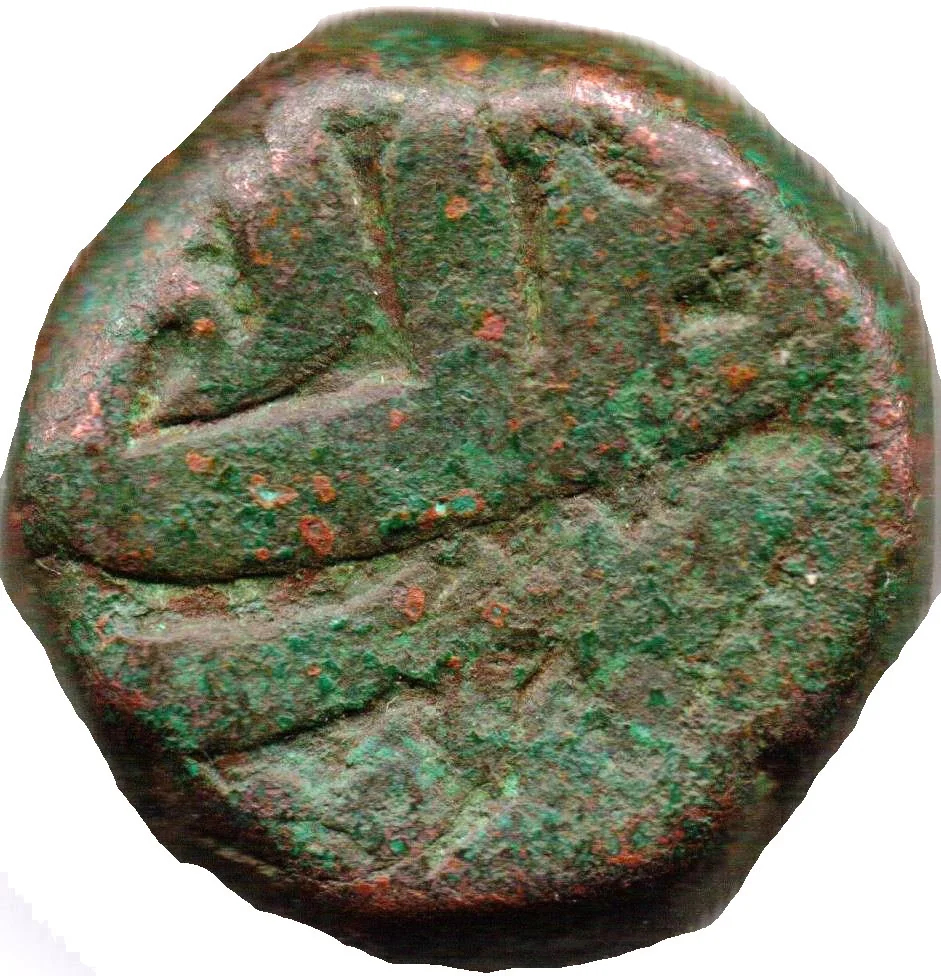
Obverse
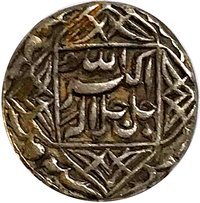
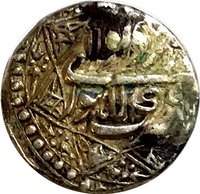
Description:
Ardibihishit month, Elahi 4.
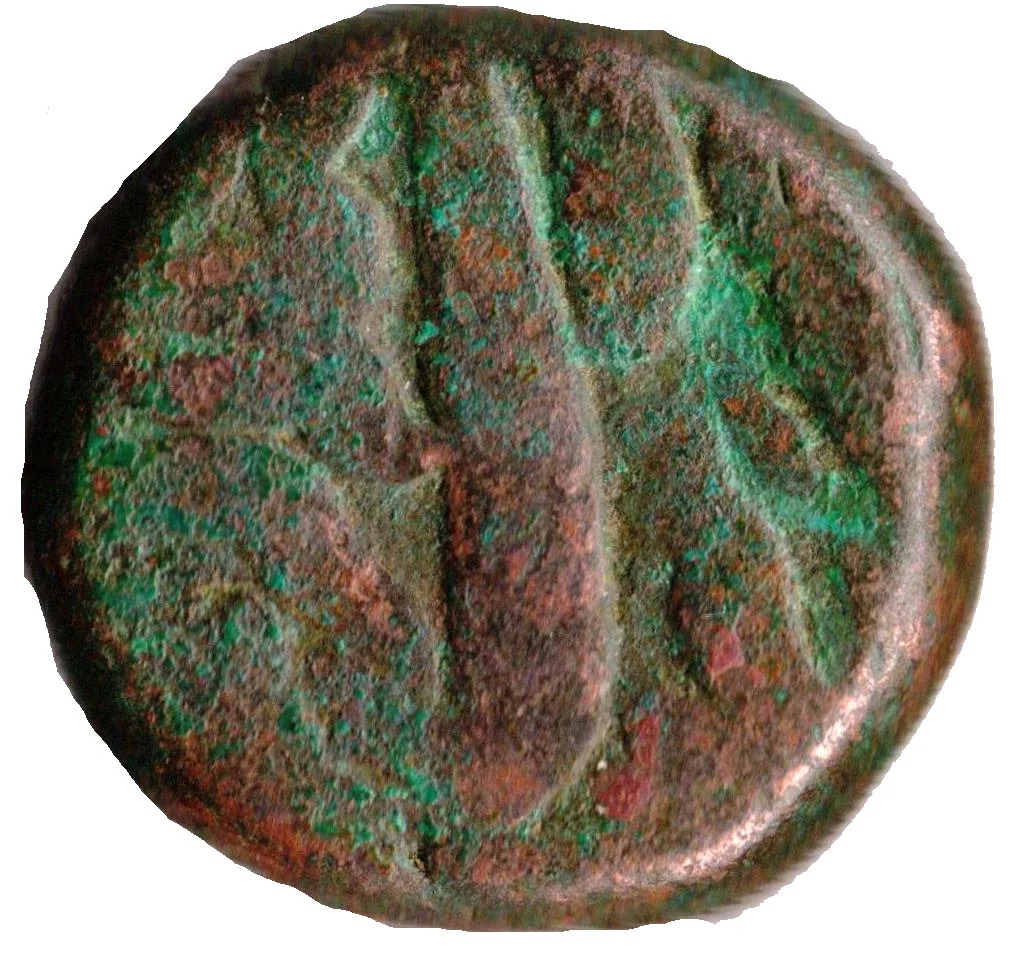
Reverse
Description:
Tanke Akbarshahi, Bairata mint.
Edge
Plain
Mintings
| Year | Mint Mark | Mintage | Quality | Collection |
|---|---|---|---|---|
| 1602 | — | — |
Historical background
In 1602, the Mughal Empire under Emperor Akbar (reigned 1556–1605) possessed a sophisticated and standardized monetary system that was a cornerstone of its administrative and economic strength. The empire’s currency was bimetallic, primarily based on the silver rupee and the gold mohur, with a well-regulated system of copper dams for smaller, everyday transactions. Akbar’s central minting authority ensured remarkable uniformity in weight and purity across the realm, with major mints in cities like Lahore, Delhi, Ahmadabad, and Surat striking coins that facilitated both vast imperial revenue collection and booming trade.
This monetary stability was actively managed through the Dar-ul-Zarb (the imperial mint) and a vigilant market regulation system. The state enforced a fixed exchange rate between the precious metal and copper coins, with the dam officially valued at 1/40th of a rupee, though local market fluctuations occurred. The year 1602 falls within a period of intense economic activity, fueled by the Kabul-Lahore-Multan trade route and the burgeoning maritime commerce through Surat. The influx of New World silver, particularly from Spanish America via European traders, was beginning to enter the economy, helping to monetize transactions and sustain the empire's extensive bureaucracy and military (the Mansabdari system).
However, the system was not without its challenges. While the imperial coinage was dominant, older regional currencies and foreign coins, especially in coastal trade centers, remained in circulation. Furthermore, the very success of the economy created a constant demand for precious metals. The state’s control was absolute—private minting was forbidden, and all mines belonged to the emperor. Thus, in 1602, the Mughal currency system stood as a powerful, centralized instrument of imperial power, providing the financial lubrication for an empire at its zenith, yet subtly beginning to feel the effects of a newly connected global economy.
This monetary stability was actively managed through the Dar-ul-Zarb (the imperial mint) and a vigilant market regulation system. The state enforced a fixed exchange rate between the precious metal and copper coins, with the dam officially valued at 1/40th of a rupee, though local market fluctuations occurred. The year 1602 falls within a period of intense economic activity, fueled by the Kabul-Lahore-Multan trade route and the burgeoning maritime commerce through Surat. The influx of New World silver, particularly from Spanish America via European traders, was beginning to enter the economy, helping to monetize transactions and sustain the empire's extensive bureaucracy and military (the Mansabdari system).
However, the system was not without its challenges. While the imperial coinage was dominant, older regional currencies and foreign coins, especially in coastal trade centers, remained in circulation. Furthermore, the very success of the economy created a constant demand for precious metals. The state’s control was absolute—private minting was forbidden, and all mines belonged to the emperor. Thus, in 1602, the Mughal currency system stood as a powerful, centralized instrument of imperial power, providing the financial lubrication for an empire at its zenith, yet subtly beginning to feel the effects of a newly connected global economy.
💎 Extremely Rare