

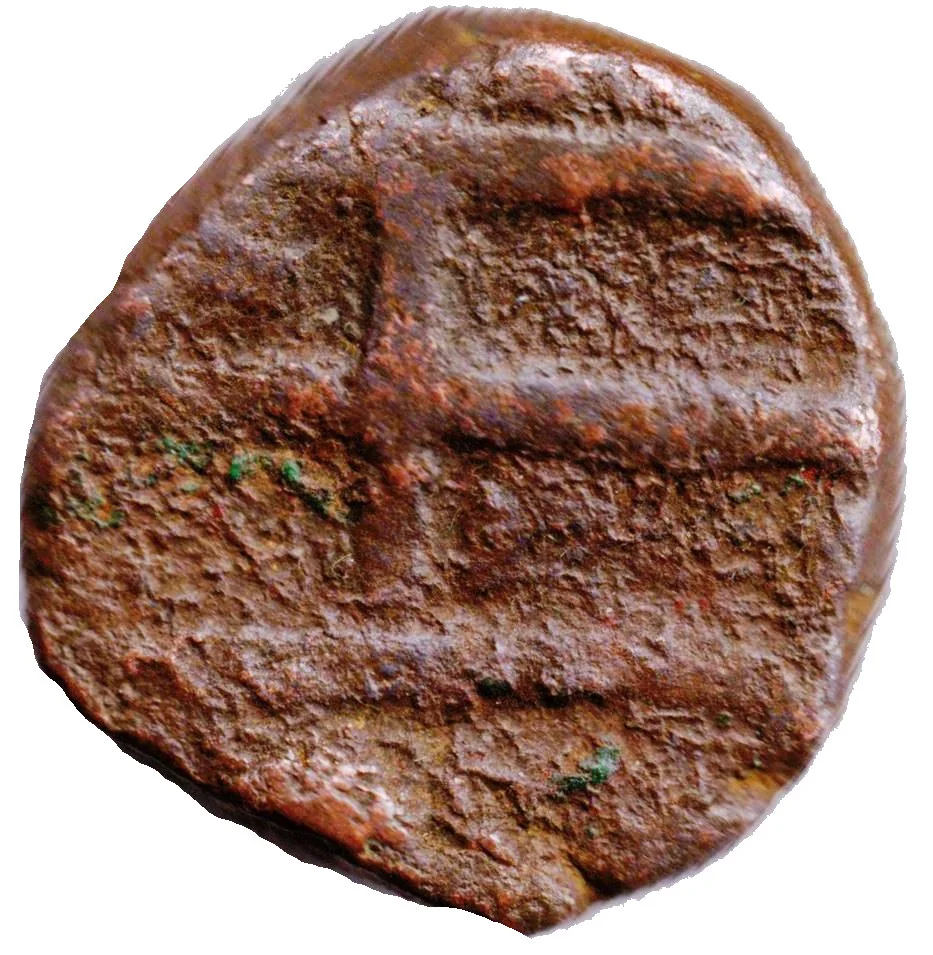
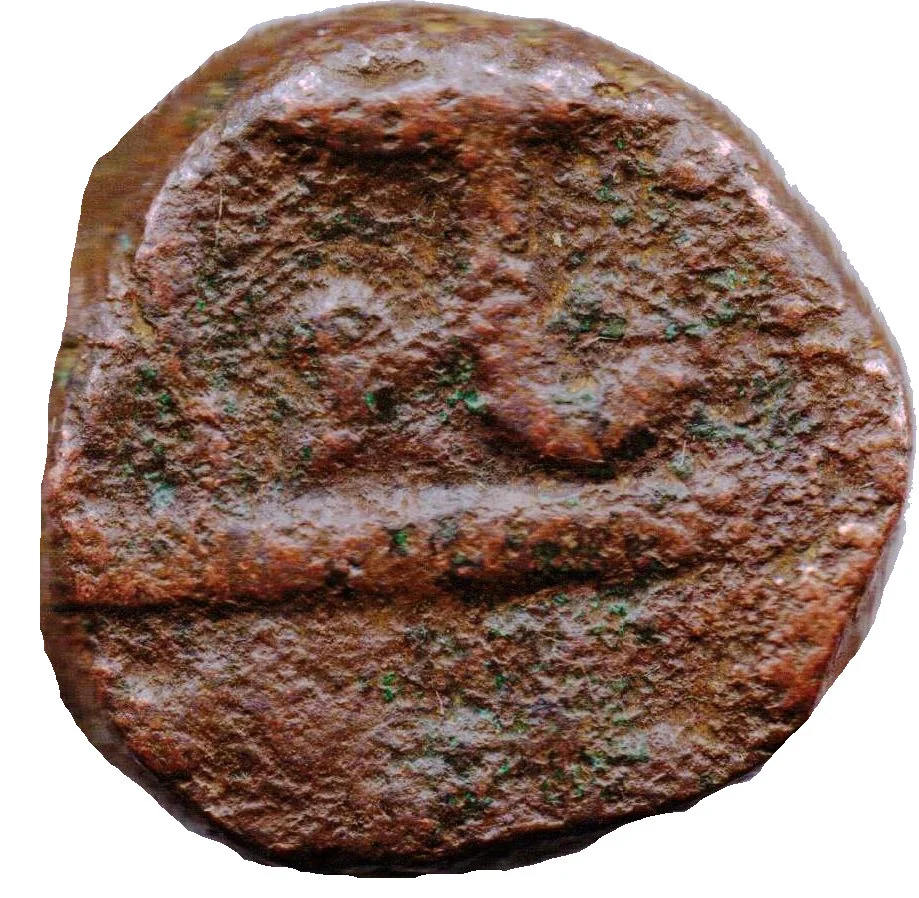
½ Dam – Mughal Empire
India
Context
Year: 1639
Islamic (Hijri) Year: 1048
Country: India 
Issuer: Mughal Empire
Ruler: Shah Jahan
Currency:
(1540—1842)
Demonetized: Yes
Material
References
KM: #Click to copy to clipboard204.3
Numista: #50493
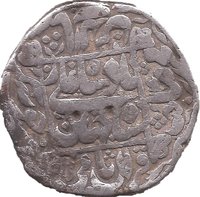
Obverse
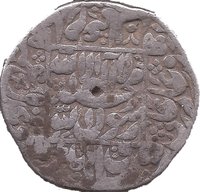
Reverse
Edge
Plain
Mintings
| Year | Mint Mark | Mintage | Quality | Collection |
|---|---|---|---|---|
| 1639 | — | — |
Historical background
In 1639, the Mughal Empire's currency system under Emperor Shah Jahan was a sophisticated and highly standardized bimetallic system, centered on the silver rupee and the gold mohur. The empire's immense wealth, drawn from agricultural revenue and expanding trade, fueled a vast and stable coinage. The primary unit, the silver rupee, was minted to a remarkably consistent weight and purity (nearly 95% fine silver) across the empire's mints, ensuring its acceptance from Kabul to Dhaka. This reliability made the Mughal rupee a dominant trade currency not only within India but also in Indian Ocean commerce.
The administration of currency was centralized and efficient. Coins were struck in imperial mints (dar al-zarb) in major cities like Surat, Ahmedabad, and Lahore, using a meticulous process that included precise assaying and the striking of dies. Each coin bore inscriptions in Persian, typically the emperor's name, titles, and the mint city and regnal year, allowing for precise tracking and accountability. While gold mohurs were issued, they served more as a store of value and for high-value transactions; the silver rupee was the workhorse for taxation, military pay, and everyday large-scale trade.
However, 1639 existed within a period of both stability and underlying strain. Shah Jahan's ambitious architectural projects, including the nascent construction of Shahjahanabad (Delhi) and the Taj Mahal, alongside ongoing military campaigns in the Deccan and Central Asia, placed enormous fiscal demands on the treasury. This was met through efficient revenue collection but also foreshadowed the future economic pressures that would later contribute to the empire's gradual decline. Furthermore, the influx of New World silver via European traders, particularly the Portuguese and English, was beginning to increase the overall money supply, a trend that would subtly influence the economy in the decades to follow.
The administration of currency was centralized and efficient. Coins were struck in imperial mints (dar al-zarb) in major cities like Surat, Ahmedabad, and Lahore, using a meticulous process that included precise assaying and the striking of dies. Each coin bore inscriptions in Persian, typically the emperor's name, titles, and the mint city and regnal year, allowing for precise tracking and accountability. While gold mohurs were issued, they served more as a store of value and for high-value transactions; the silver rupee was the workhorse for taxation, military pay, and everyday large-scale trade.
However, 1639 existed within a period of both stability and underlying strain. Shah Jahan's ambitious architectural projects, including the nascent construction of Shahjahanabad (Delhi) and the Taj Mahal, alongside ongoing military campaigns in the Deccan and Central Asia, placed enormous fiscal demands on the treasury. This was met through efficient revenue collection but also foreshadowed the future economic pressures that would later contribute to the empire's gradual decline. Furthermore, the influx of New World silver via European traders, particularly the Portuguese and English, was beginning to increase the overall money supply, a trend that would subtly influence the economy in the decades to follow.
✨ Legendary