

1 Rupee – Mughal Empire
India
Context
Years: 1721–1748
Country: India 
Issuer: Mughal Empire
Ruler: Muhammad Shah
Currency:
(1540—1842)
Demonetized: Yes
Material
References
KM: #Click to copy to clipboard437.4
Numista: #50428
Value
Bullion value: $33.51
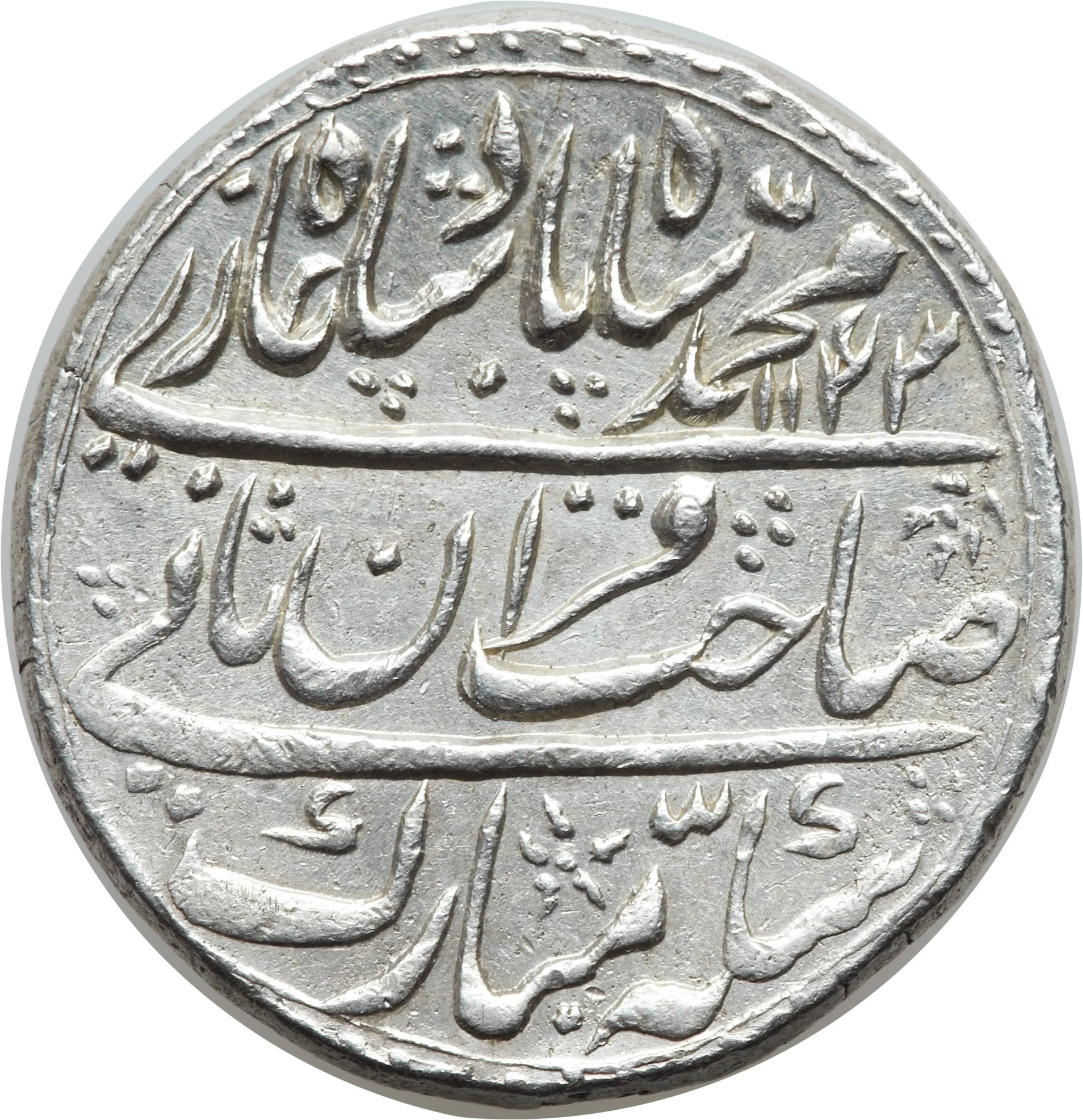
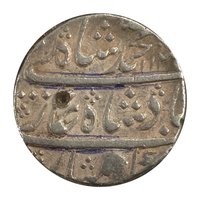
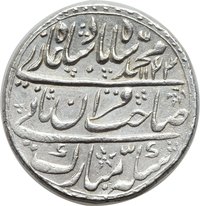
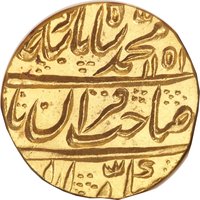
Obverse
Description:
Emperor's Name, AH Date
Inscription:
sikka mubarak saheb-e-qiran sani Muhammad Shah Badshah Ghazi
۱۱۴۳
۱۱۴۳
Script: Urdu
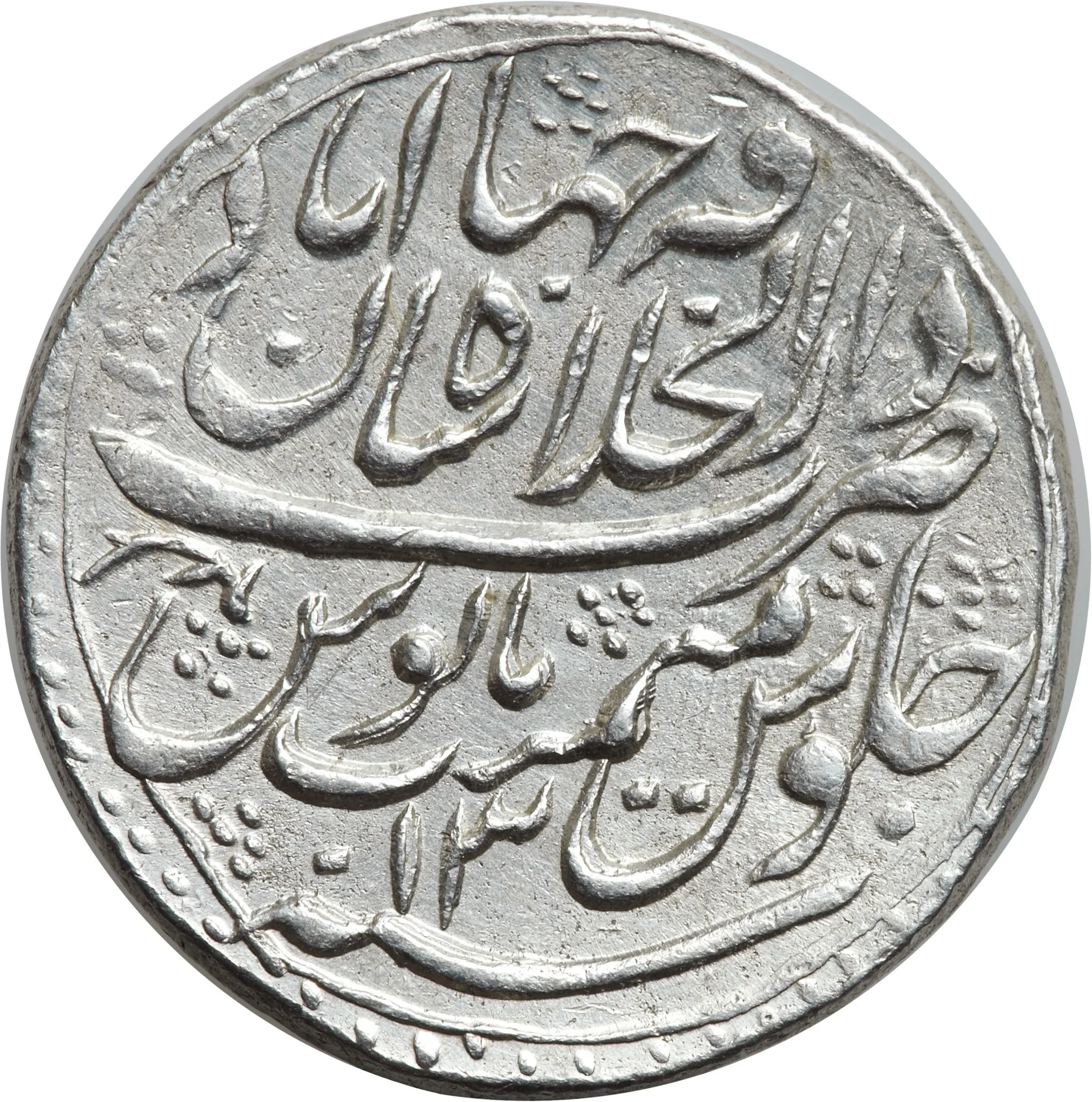
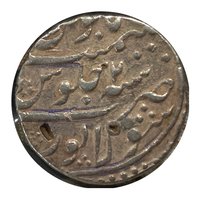
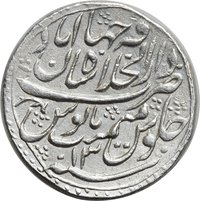
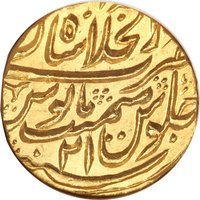
Reverse
Edge
Plain
Mintings
| Year | Mint Mark | Mintage | Quality | Collection |
|---|---|---|---|---|
| 1721 | — | — | ||
| 1722 | — | — | ||
| 1723 | — | — | ||
| 1724 | — | — | ||
| 1725 | — | — | ||
| 1726 | — | — | ||
| 1727 | — | — | ||
| 1728 | — | — | ||
| 1729 | — | — | ||
| 1730 | — | — | ||
| 1731 | — | — | ||
| 1732 | — | — | ||
| 1733 | — | — | ||
| 1734 | — | — | ||
| 1735 | — | — | ||
| 1736 | — | — | ||
| 1737 | — | — | ||
| 1738 | — | — | ||
| 1739 | — | — | ||
| 1740 | — | — | ||
| 1741 | — | — | ||
| 1741 | — | — | ||
| 1742 | — | — | ||
| 1743 | — | — | ||
| 1744 | — | — | ||
| 1745 | — | — | ||
| 1746 | — | — | ||
| 1747 | — | — | ||
| 1748 | — | — |
Historical background
By 1721, the Mughal Empire's currency system, once a pillar of its economic strength, was under significant strain. The standard silver rupee, established by Emperor Sher Shah Suri and meticulously maintained by Akbar, remained the primary circulating coin. However, the imperial mint's control was weakening. While the central mints in cities like Delhi, Lahore, and Ahmadabad still produced coins in the name of Emperor Muhammad Shah, numerous regional and local mints operated with varying degrees of autonomy, leading to inconsistencies in weight and purity. This period saw the increased circulation of older, worn rupees alongside newer issues, creating a complex and less uniform monetary environment.
The fiscal pressures of the late 17th and early 18th centuries were the primary cause of this deterioration. Emperor Aurangzeb's protracted Deccan wars (1681-1707) had drained the imperial treasury, a crisis not resolved by his successors. By 1721, the empire was grappling with widespread rebellions, the rise of powerful regional satraps like the Nizam of Hyderabad, and the growing military threat from the Maratha Confederacy. To finance military campaigns and court expenses, the central authority increasingly resorted to debasement—reducing the silver content in rupees or mixing it with cheaper metals. This practice, though not yet catastrophic, eroded trust in the currency's intrinsic value and signaled deepening financial distress.
Consequently, the monetary landscape was becoming regionalized. Powerful provincial governors and emerging states began striking their own rupees, often imitating Mughal designs but with local symbols or mint marks, effectively asserting their economic sovereignty. Furthermore, the influx of foreign silver, particularly from European trading companies, continued, but its benefits were now offset by the empire's political fragmentation. In 1721, the system was still functioning, but the cracks were evident: the unified, imperial currency that had facilitated trade and administration across the subcontinent was gradually giving way to a patchwork of currencies, mirroring the empire's own political disintegration.
The fiscal pressures of the late 17th and early 18th centuries were the primary cause of this deterioration. Emperor Aurangzeb's protracted Deccan wars (1681-1707) had drained the imperial treasury, a crisis not resolved by his successors. By 1721, the empire was grappling with widespread rebellions, the rise of powerful regional satraps like the Nizam of Hyderabad, and the growing military threat from the Maratha Confederacy. To finance military campaigns and court expenses, the central authority increasingly resorted to debasement—reducing the silver content in rupees or mixing it with cheaper metals. This practice, though not yet catastrophic, eroded trust in the currency's intrinsic value and signaled deepening financial distress.
Consequently, the monetary landscape was becoming regionalized. Powerful provincial governors and emerging states began striking their own rupees, often imitating Mughal designs but with local symbols or mint marks, effectively asserting their economic sovereignty. Furthermore, the influx of foreign silver, particularly from European trading companies, continued, but its benefits were now offset by the empire's political fragmentation. In 1721, the system was still functioning, but the cracks were evident: the unified, imperial currency that had facilitated trade and administration across the subcontinent was gradually giving way to a patchwork of currencies, mirroring the empire's own political disintegration.
🌟 Limited