

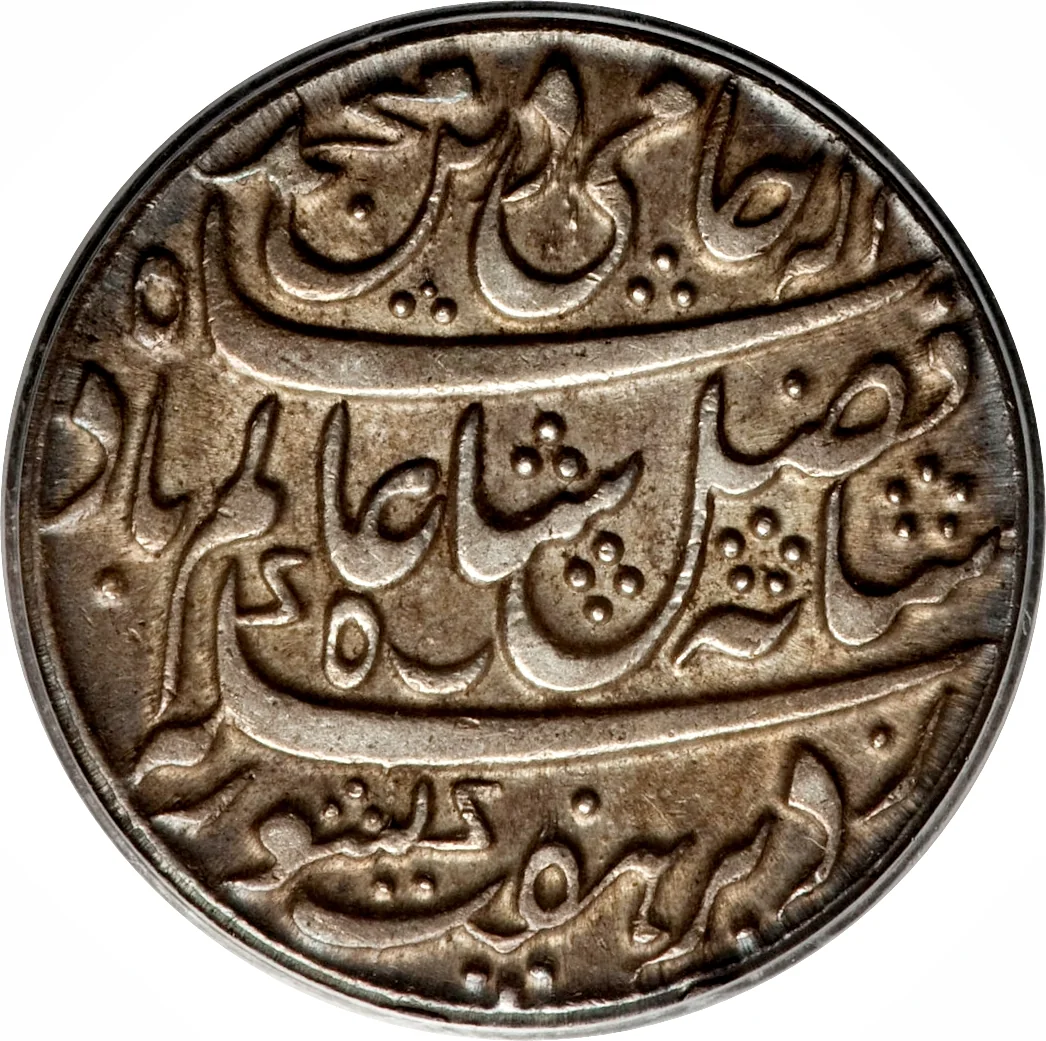
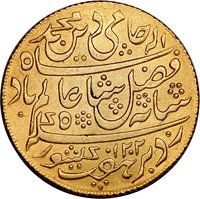
Obverse
Description:
Coins struck across seven realms in the shadow of Emperor Shah Alam II, defender of faith.
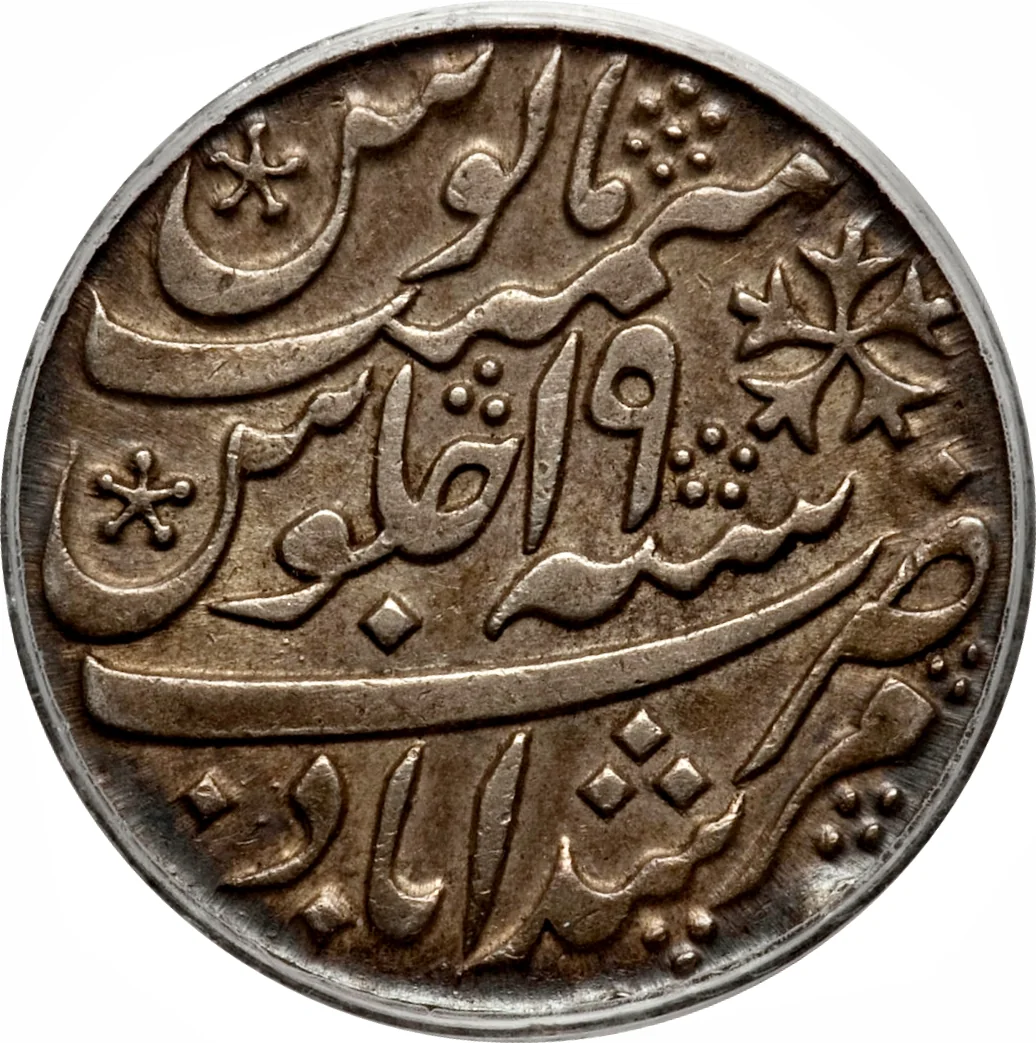
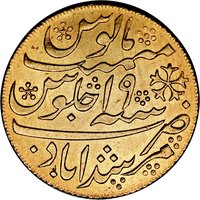
Reverse
Description:
Zarb Murshidabad, 19th regnal year.
Inscription:
١٩
Edge
Oblique milled (grained right) ////
Mints
| Name | Mark |
|---|---|
| Azimabad | — |
| Jahangirnagar | — |
| Kolkata / Calcutta / Murshidabad | — |
Mintings
| Year | Mint Mark | Mintage | Quality | Collection |
|---|---|---|---|---|
| — | — | — |
Historical background
In 1793, the currency situations in Bengal Presidency and Australia, both under British influence, were starkly contrasts of established complexity and embryonic scarcity. In Bengal, the Presidency was grappling with a chaotic multi-currency system following the collapse of the indigenous banking network. While the official accounts were kept in Sicca Rupees, the region was flooded with various, often debased, silver coins from neighbouring Indian states, as well as the Company's own Arcot rupee. This monetary anarchy hampered trade and revenue collection, prompting early but still tentative discussions within the East India Company about reform, which would later culminate in the Coinage Act of 1795 and the eventual move towards a uniform silver standard.
Conversely, the fledgling penal colony of New South Wales in 1793 faced a near-total absence of formal currency. The British government did not supply coinage for the settlement, believing it unnecessary for a convict population. The economy operated almost entirely through barter, promissory notes, and the use of rum as a de facto, though highly disruptive, medium of exchange. The most significant development of that year was the arrival of the first Spanish dollar (8 Reales piece) from a visiting ship, which would later be famously "holey dollared" by Governor Macquarie in 1813 to create a local currency.
Thus, while Bengal was burdened by an excess of competing and unstable currencies, Australia suffered from a critical lack of any official circulating medium. Both situations were direct consequences of British colonial policy: in Bengal, the Company was forced to manage the complex financial legacy of a conquered advanced economy, while in Australia, it initially neglected to provide any monetary infrastructure for a remote penal outpost. Each would follow a different path toward monetary stability, with Bengal moving towards a standardised silver rupee and Australia eventually relying on imported foreign coinage and sterling.
Conversely, the fledgling penal colony of New South Wales in 1793 faced a near-total absence of formal currency. The British government did not supply coinage for the settlement, believing it unnecessary for a convict population. The economy operated almost entirely through barter, promissory notes, and the use of rum as a de facto, though highly disruptive, medium of exchange. The most significant development of that year was the arrival of the first Spanish dollar (8 Reales piece) from a visiting ship, which would later be famously "holey dollared" by Governor Macquarie in 1813 to create a local currency.
Thus, while Bengal was burdened by an excess of competing and unstable currencies, Australia suffered from a critical lack of any official circulating medium. Both situations were direct consequences of British colonial policy: in Bengal, the Company was forced to manage the complex financial legacy of a conquered advanced economy, while in Australia, it initially neglected to provide any monetary infrastructure for a remote penal outpost. Each would follow a different path toward monetary stability, with Bengal moving towards a standardised silver rupee and Australia eventually relying on imported foreign coinage and sterling.
🌟 Limited