

1 tanga – Portuguese India
Add to wishlist
India
Context
Year: 1733
Country: India
Issuer: Portuguese India
Ruler: João V
Currency:
(1706—1880)
Demonetized: Yes
Material
Diameter: 15 mm
Weight: 1.2 g
Silver Weight:: 1.20 g
Shape: Irregular round
Composition: Silver
Magnetic: No
Technique: Hammered
References
KM: #
Numista: #50400
Value
Bullion value: $3.01
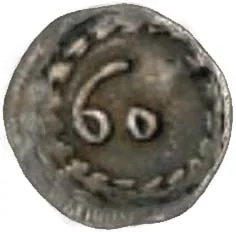
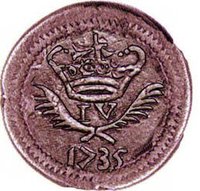
Obverse
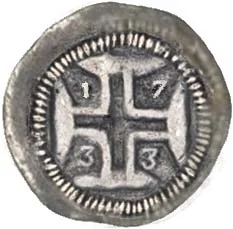
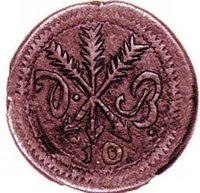
Reverse
Edge
Mints
| Name | Mark |
|---|---|
| Goa | — |
Mintings
| Year | Mint Mark | Mintage | Quality | Collection |
|---|---|---|---|---|
| 1733 | — | — |
Historical background
In 1733, the currency situation in Portuguese India, centered in Goa, was characterized by a complex and often chaotic multiplicity of coins, reflecting both its colonial status and its deep integration into Indian Ocean trade networks. The official Portuguese currency, the real and its higher denominations like the cruzado, circulated alongside a vast array of foreign coins that were essential for commerce. The most important of these was the Mughal silver rupee, the dominant trade currency of the subcontinent, along with gold pagodas from the south, and various European coins like Spanish pieces of eight. This created a constant challenge of exchange rates and valuation, with the Portuguese administration struggling to assert the primacy of its own coinage.
The Portuguese Crown attempted to regulate this system through the Casa da Moeda (mint) in Goa, which periodically issued silver xerafins and copper bazarucos. However, the intrinsic value and reliability of these local coins were often questionable, leading to a strong preference for trusted foreign silver, especially the Mughal rupee. Furthermore, a severe shortage of precious metals, particularly silver, plagued the Estado da Índia throughout this period. This scarcity was due to declining revenues from trade, competition from other European companies, and the diversion of Brazilian gold to Lisbon rather than Goa, making it difficult to mint sufficient high-value currency.
Consequently, the day-to-day economy operated on a de facto dual system. Large-scale trade and state finances were often conducted in silver rupees or gold pagodas, while the lower-value copper bazarucos, frequently over-minted and prone to debasement, fueled local market transactions. This environment of monetary confusion, scarcity, and competing currencies hindered economic stability, encouraged fraud, and symbolized the broader decline of Portuguese commercial power in the region during the 18th century, as it became increasingly reliant on the very currencies of its competitors and neighbors.
The Portuguese Crown attempted to regulate this system through the Casa da Moeda (mint) in Goa, which periodically issued silver xerafins and copper bazarucos. However, the intrinsic value and reliability of these local coins were often questionable, leading to a strong preference for trusted foreign silver, especially the Mughal rupee. Furthermore, a severe shortage of precious metals, particularly silver, plagued the Estado da Índia throughout this period. This scarcity was due to declining revenues from trade, competition from other European companies, and the diversion of Brazilian gold to Lisbon rather than Goa, making it difficult to mint sufficient high-value currency.
Consequently, the day-to-day economy operated on a de facto dual system. Large-scale trade and state finances were often conducted in silver rupees or gold pagodas, while the lower-value copper bazarucos, frequently over-minted and prone to debasement, fueled local market transactions. This environment of monetary confusion, scarcity, and competing currencies hindered economic stability, encouraged fraud, and symbolized the broader decline of Portuguese commercial power in the region during the 18th century, as it became increasingly reliant on the very currencies of its competitors and neighbors.
✨ Legendary