

1 tanga – Portuguese India
Add to wishlist
India
Context
Years: 1726–1727
Country: India
Issuer: Portuguese India
Ruler: João V
Currency:
(1706—1880)
Demonetized: Yes
Material
Diameter: 15 mm
Weight: 1.2 g
Silver Weight:: 1.20 g
Shape: Irregular round
Composition: Silver
Magnetic: No
Technique: Hammered
References
KM: #
Numista: #50399
Value
Bullion value: $3.01
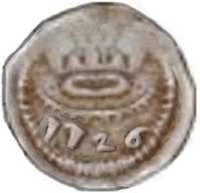
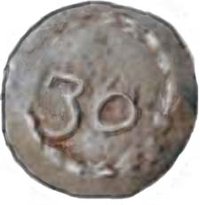
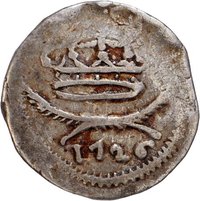
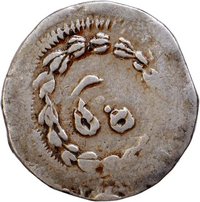
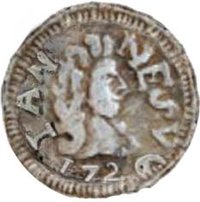
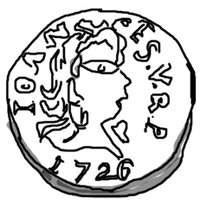
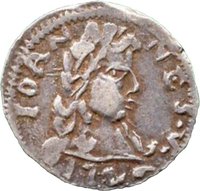
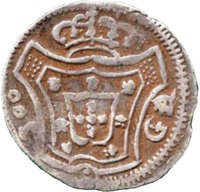
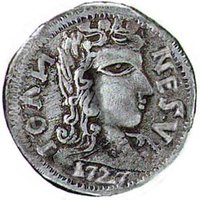
Obverse
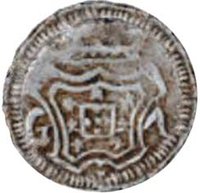
Reverse
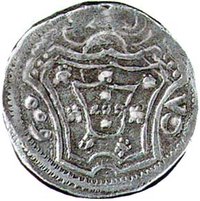
Edge
Mints
| Name | Mark |
|---|---|
| Goa | — |
Mintings
| Year | Mint Mark | Mintage | Quality | Collection |
|---|---|---|---|---|
| 1726 | — | — | ||
| 1727 | — | — |
Historical background
In 1726, the currency situation in Portuguese India, centered on Goa, was one of profound complexity and transition. The Estado da Índia operated within a vast, multi-currency commercial world where its official Portuguese coinage—the cruzado, tanga, and reis—competed for authority with a flood of foreign silver. The most dominant of these was the Spanish-American silver peso or "piece of eight," which circulated widely alongside Mughal rupees, Venetian ducats, and other regional coins. This created a constant challenge for the colonial administration, as trade and daily transactions relied on a fluctuating patchwork of metallic values and exchange rates, undermining the stability and sovereignty of the Portuguese monetary system.
The root of this monetary chaos lay in Portugal's economic decline and its chronic trade deficit with Asia. Goa, as a commercial hub, required massive inflows of silver to pay for textiles, spices, and other goods bound for Europe and other Asian ports. Since Portugal itself could not supply sufficient bullion, it depended on capturing a share of the global silver flow, primarily from Spanish America via Lisbon and later from Brazilian mines. However, this supply was irregular, leading to frequent shortages of official coinage. Consequently, merchants and the public naturally preferred the reliable silver content and wide acceptance of foreign coins, especially the ubiquitous Spanish peso, leaving the Portuguese administration struggling to control its own financial space.
Faced with this reality, the authorities in Goa were often forced to pragmatically recognize and regulate foreign currencies rather than prohibit them. Official exchange rates (taxas) for various foreign coins were periodically published, attempting to fix their value in reis. This practice, however, could not prevent market-driven fluctuations and rampant clipping and counterfeiting of coins. Thus, in 1726, the currency situation was characterized by a fragile and contested duality: a nominal official system based on Portuguese units of account, existing uneasily alongside a de facto circulation dominated by foreign silver, reflecting both the integrated nature of Indian Ocean trade and the diminished economic power of the Portuguese empire in the region.
The root of this monetary chaos lay in Portugal's economic decline and its chronic trade deficit with Asia. Goa, as a commercial hub, required massive inflows of silver to pay for textiles, spices, and other goods bound for Europe and other Asian ports. Since Portugal itself could not supply sufficient bullion, it depended on capturing a share of the global silver flow, primarily from Spanish America via Lisbon and later from Brazilian mines. However, this supply was irregular, leading to frequent shortages of official coinage. Consequently, merchants and the public naturally preferred the reliable silver content and wide acceptance of foreign coins, especially the ubiquitous Spanish peso, leaving the Portuguese administration struggling to control its own financial space.
Faced with this reality, the authorities in Goa were often forced to pragmatically recognize and regulate foreign currencies rather than prohibit them. Official exchange rates (taxas) for various foreign coins were periodically published, attempting to fix their value in reis. This practice, however, could not prevent market-driven fluctuations and rampant clipping and counterfeiting of coins. Thus, in 1726, the currency situation was characterized by a fragile and contested duality: a nominal official system based on Portuguese units of account, existing uneasily alongside a de facto circulation dominated by foreign silver, reflecting both the integrated nature of Indian Ocean trade and the diminished economic power of the Portuguese empire in the region.

✨ Legendary