

15 bazarucos – Portuguese India
Add to wishlist
India
Context
Years: 1706–1750
Country: India
Issuer: Portuguese India
Ruler: João V
Currency:
(1706—1880)
Demonetized: Yes
Material
References
KM: #
Numista: #50051
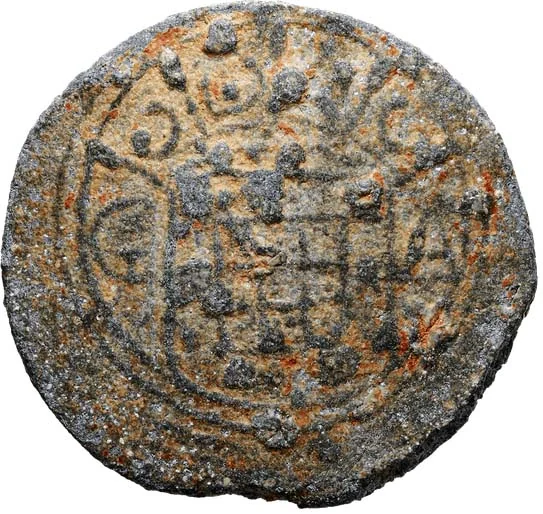
Obverse
Inscription:
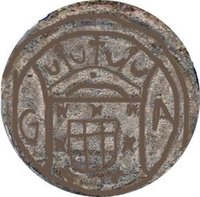
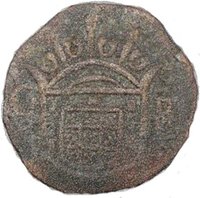
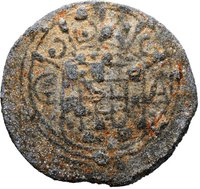
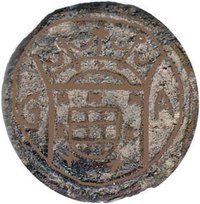
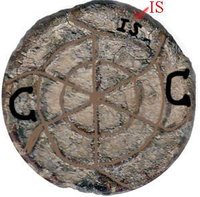
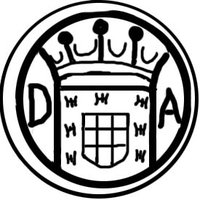
G-A
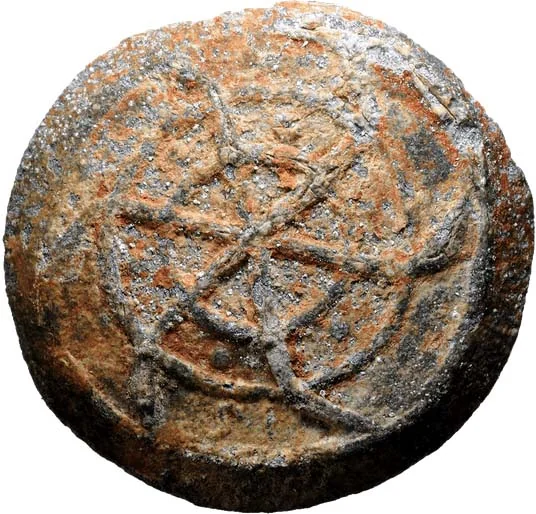
Reverse
Description:
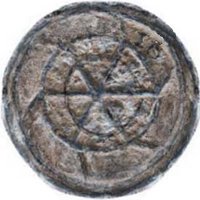
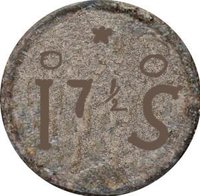
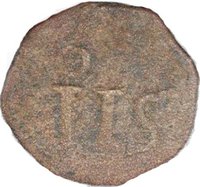
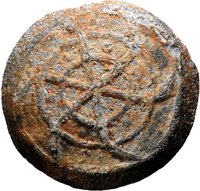
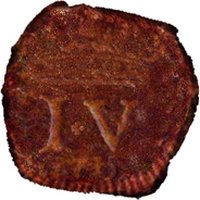
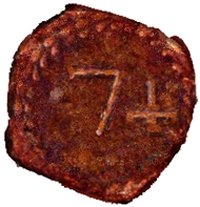
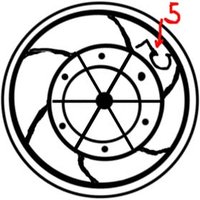
St. Catherine wheel, "IS" (15) at 2 o'clock.
Inscription:
IS
Edge
Mints
| Name | Mark |
|---|---|
| Goa | — |
Mintings
| Year | Mint Mark | Mintage | Quality | Collection |
|---|---|---|---|---|
| — | G-A | — |
Historical background
In 1706, the currency situation in Portuguese India, centered at Goa, was a complex tapestry of official Portuguese issues, persistent local systems, and the overwhelming influence of foreign coinage. The official currency was the Portuguese real, but decades of economic decline, mismanagement, and the shrinking reach of the Estado da Índia had severely debased its value and authority. The Royal Treasury in Goa was perennially empty, leading to chronic shortages of official coin and forcing the state to frequently mint low-quality, inflationary copper bazarucos for local small-scale trade, which further eroded public trust.
The real drivers of commerce, especially in long-distance trade and high-value transactions, were foreign silver coins. The Spanish piece of eight (or peso), and its direct descendant the Mexican silver real, functioned as the de facto international currency. Alongside these, a multitude of other coins circulated freely, including gold mohurs from the Mughal Empire, Venetian ducats, and various Arabian and Persian issues. This created a monetized environment where merchants and officials constantly calculated values based on weight, fineness, and the ever-fluctuating exchange rates between these disparate currencies.
This monetary chaos was symptomatic of Portugal's diminished power. The Portuguese crown attempted to assert control by setting official exchange rates (tabelas) and mandating the use of its own coin, but these decrees were largely ignored in the bustling markets of Goa, Damão, and Diu. The effective monetary system was therefore a pragmatic, unregulated bimetallic (and often multi-metallic) standard dominated by foreign silver, operating in the shadow of an impoverished and increasingly irrelevant official Portuguese currency structure. This situation would persist until the Marquis of Pombal's reforms in the late 18th century attempted to impose order.
The real drivers of commerce, especially in long-distance trade and high-value transactions, were foreign silver coins. The Spanish piece of eight (or peso), and its direct descendant the Mexican silver real, functioned as the de facto international currency. Alongside these, a multitude of other coins circulated freely, including gold mohurs from the Mughal Empire, Venetian ducats, and various Arabian and Persian issues. This created a monetized environment where merchants and officials constantly calculated values based on weight, fineness, and the ever-fluctuating exchange rates between these disparate currencies.
This monetary chaos was symptomatic of Portugal's diminished power. The Portuguese crown attempted to assert control by setting official exchange rates (tabelas) and mandating the use of its own coin, but these decrees were largely ignored in the bustling markets of Goa, Damão, and Diu. The effective monetary system was therefore a pragmatic, unregulated bimetallic (and often multi-metallic) standard dominated by foreign silver, operating in the shadow of an impoverished and increasingly irrelevant official Portuguese currency structure. This situation would persist until the Marquis of Pombal's reforms in the late 18th century attempted to impose order.

✨ Legendary