


4 bazarucos – Portuguese India
Add to wishlist
India
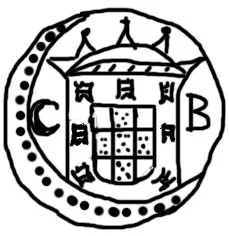
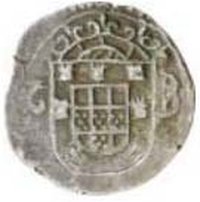
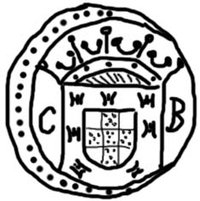
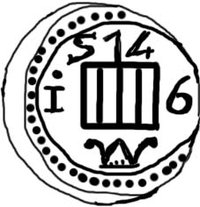
Obverse
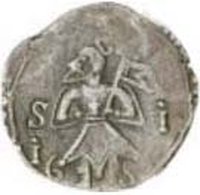
Reverse
Edge
Mintings
| Year | Mint Mark | Mintage | Quality | Collection |
|---|---|---|---|---|
| 1654 | B-C | — | ||
| 1654 | C-B | — |
Historical background
In 1654, the currency situation in Portuguese India was a complex reflection of its declining economic power and the intense competition within the Indian Ocean trade network. The official currency, the Portuguese xerafim, was minted at the Goa mint, but its value and circulation were under severe pressure. The primary challenge was the massive influx of foreign silver coins, particularly the Spanish real de a ocho (piece of eight) and various other European and Indian coins, which circulated freely due to their reliable silver content. This created a de facto multi-currency system where trade was often conducted in these more trusted foreign currencies rather than the local Portuguese issues.
This monetary fragmentation was symptomatic of a deeper crisis. Portuguese Estado da India was struggling to maintain its commercial monopolies against Dutch and English East India Companies, which were aggressively capturing key trade routes and territories. Revenue from customs and trade was falling, while the cost of maintaining fortresses and fleets remained high. Consequently, the Portuguese administration often resorted to debasing their coinage—reducing the silver content in coins like the tangas—to generate short-term revenue. This practice further eroded confidence in the official currency, driving merchants to prefer foreign or older, full-weight coins, exacerbating inflation and economic instability.
Ultimately, the currency chaos of 1654 was a microcosm of Portuguese India's transition from a dominant maritime empire to a diminished territorial holding. The inability to control the monetary environment mirrored its inability to control the seas. While trade continued in ports like Goa, it was increasingly mediated through the currencies of its rivals and the vibrant networks of Gujarati and other Indian merchants, who operated with a degree of autonomy. The monetary system thus existed in a precarious state, caught between the crown's fiscal demands and the hard realities of a competitive, polycentric trading world.
This monetary fragmentation was symptomatic of a deeper crisis. Portuguese Estado da India was struggling to maintain its commercial monopolies against Dutch and English East India Companies, which were aggressively capturing key trade routes and territories. Revenue from customs and trade was falling, while the cost of maintaining fortresses and fleets remained high. Consequently, the Portuguese administration often resorted to debasing their coinage—reducing the silver content in coins like the tangas—to generate short-term revenue. This practice further eroded confidence in the official currency, driving merchants to prefer foreign or older, full-weight coins, exacerbating inflation and economic instability.
Ultimately, the currency chaos of 1654 was a microcosm of Portuguese India's transition from a dominant maritime empire to a diminished territorial holding. The inability to control the monetary environment mirrored its inability to control the seas. While trade continued in ports like Goa, it was increasingly mediated through the currencies of its rivals and the vibrant networks of Gujarati and other Indian merchants, who operated with a degree of autonomy. The monetary system thus existed in a precarious state, caught between the crown's fiscal demands and the hard realities of a competitive, polycentric trading world.
✨ Legendary