

1 tanga – Portuguese India
Add to wishlist
India
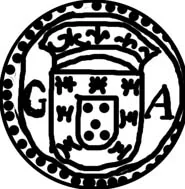
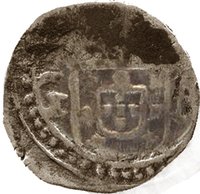
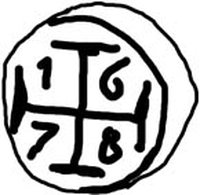
Obverse
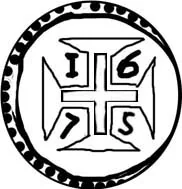
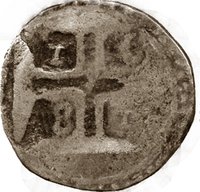
Reverse
Edge
Mintings
| Year | Mint Mark | Mintage | Quality | Collection |
|---|---|---|---|---|
| 1675 | G-A | — | ||
| 1677 | G-A | — | ||
| 1681 | G-A | — | ||
| 1682 | G-A | — | ||
| 1683 | G-A | — |
Historical background
In 1675, the currency situation in Portuguese India was a complex tapestry of official and unofficial systems, reflecting the Estado da Índia's diminished economic power. The official currency, minted in Goa, was the xerafim (plural: xerafins), a silver coin. However, the supply of precious metals from Portugal was erratic and often insufficient, leading to chronic shortages of official coinage. This scarcity was exacerbated by the continuous outflow of silver to pay for trade goods within Asia and to meet the Crown's obligations, creating a persistent monetary crisis that stifled local commerce and administration.
Consequently, the daily economy functioned on a de facto system reliant on a multitude of foreign coins, which circulated freely and were often preferred for their consistent purity and weight. The most important of these was the Spanish piece of eight (real de a ocho or "pataca"), a pillar of global trade, along with various gold mohurs from the Mughal Empire and silver larins from Persia and the Arabian Sea region. The Portuguese authorities were forced to regularly publish official exchange rates (tábuas de cambio) between these foreign currencies and the xerafim, a clear admission that they could not control the monetary medium. This polycurrency environment created opportunities for money changers but also complexity and uncertainty for merchants.
The situation was symptomatic of Portugal's broader 17th-century decline in the face of Dutch and English competition. While the Crown attempted reforms, such as establishing the Casa da Moeda (mint) in Goa, its efforts were undermined by a lack of bullion and the overwhelming dominance of intra-Asian trade networks that operated on their own monetary terms. Thus, in 1675, the currency landscape was one of pragmatic hybridity, where the official Portuguese system was propped up by the very foreign currencies that symbolized the shifting balance of power in the Indian Ocean.
Consequently, the daily economy functioned on a de facto system reliant on a multitude of foreign coins, which circulated freely and were often preferred for their consistent purity and weight. The most important of these was the Spanish piece of eight (real de a ocho or "pataca"), a pillar of global trade, along with various gold mohurs from the Mughal Empire and silver larins from Persia and the Arabian Sea region. The Portuguese authorities were forced to regularly publish official exchange rates (tábuas de cambio) between these foreign currencies and the xerafim, a clear admission that they could not control the monetary medium. This polycurrency environment created opportunities for money changers but also complexity and uncertainty for merchants.
The situation was symptomatic of Portugal's broader 17th-century decline in the face of Dutch and English competition. While the Crown attempted reforms, such as establishing the Casa da Moeda (mint) in Goa, its efforts were undermined by a lack of bullion and the overwhelming dominance of intra-Asian trade networks that operated on their own monetary terms. Thus, in 1675, the currency landscape was one of pragmatic hybridity, where the official Portuguese system was propped up by the very foreign currencies that symbolized the shifting balance of power in the Indian Ocean.

✨ Legendary